
Why Does the Right Digital Power Meter Make Power Monitoring Far More Reliable?
2026-04-08
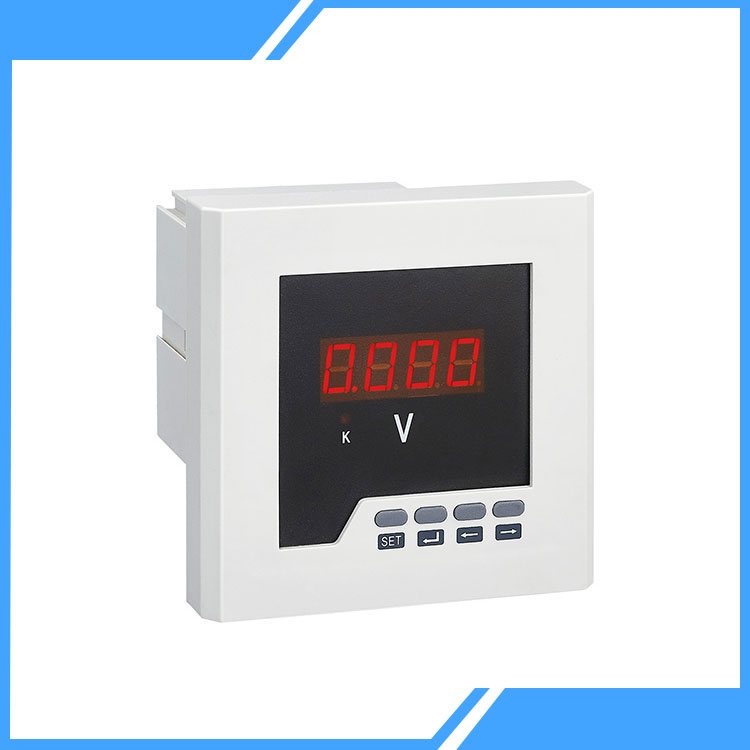
When I look at modern power management, I no longer see metering as a basic add-on. I see it as a decision-making tool that affects safety, operating cost, maintenance efficiency, and long-term system stability. That is why I pay close attention to what a well-designed Digital Power Meter can actually do in real working conditions. In many industrial and commercial applications, I have found that companies such as Zhejiang Gomelong Meter Co., Ltd. are part of the conversation because buyers are no longer satisfied with rough readings or limited display functions. They want clearer data, easier integration, and dependable performance that helps them solve real electrical management problems instead of creating new ones.
For buyers, installers, panel builders, and facility managers, the real issue is usually not whether to use a meter at all. The real issue is how to choose a solution that is practical, stable, and worth the investment. A strong Digital Power Meter should help us monitor voltage, current, power, energy use, and related parameters with confidence, while also making daily operation more straightforward. If a device is hard to install, hard to read, or hard to connect with existing systems, it can slow down the very work it is supposed to improve.
What Makes Buyers Hesitate Before Choosing a Meter?
I often notice that buyers hesitate for several familiar reasons. Some worry about measurement accuracy. Others are concerned about communication compatibility, especially when the meter needs to work with automation systems, PLC environments, or centralized monitoring platforms. Some simply do not want to risk buying a unit that looks fine on paper but becomes inconvenient once it is mounted in a real cabinet.
These concerns are valid because a meter does more than display numbers. It becomes part of the operating logic of the site. If the data is inconsistent, the maintenance team wastes time. If the interface is confusing, daily checks become slower. If communication is unstable, remote monitoring becomes less useful. In short, the wrong choice can increase labor, increase troubleshooting, and reduce trust in the entire monitoring setup.
- I want a meter that gives stable readings under normal working conditions.
- I want a display that helps operators understand the data quickly.
- I want wiring and installation to be manageable for technicians in the field.
- I want communication options that fit the control system already in place.
- I want a product that supports long-term use rather than short-term replacement cycles.
How Can a Digital Power Meter Improve Daily Power Management?
A well-selected Digital Power Meter can make daily power management much more transparent. Instead of reacting after a problem becomes serious, I can monitor electrical behavior earlier and make better operational decisions. That matters in factories, office buildings, equipment rooms, energy distribution panels, and automation projects where the cost of uncertainty is often higher than the cost of measurement.
For example, when I can see important electrical values in real time, I can identify unusual patterns sooner. A load imbalance, abnormal voltage fluctuation, or unexpected power factor trend may not immediately shut down equipment, but it can signal a problem that deserves attention. Reliable visibility makes preventive action easier.
| Buyer Concern | What the Right Meter Helps Me Do | Practical Benefit |
|---|---|---|
| Unclear power usage | Track key electrical parameters in real time | Better operational awareness |
| Difficult fault detection | Spot abnormal readings sooner | Faster troubleshooting |
| Poor maintenance planning | Use data trends to guide inspection routines | Lower maintenance pressure |
| Integration worries | Connect monitoring data with control systems | Smoother automation workflows |
| Complicated installation | Select models designed for easier field setup | Reduced installation time |
Why Do Accuracy and Stability Matter More Than Fancy Marketing Words?
I do not choose a meter because the description sounds impressive. I choose it because I need dependable performance where it matters most. Accuracy and stability are not decorative features. They are the foundation of trust. If I am using the device to observe load conditions, compare consumption, or support system decisions, unreliable readings can lead to wrong conclusions.
That is why I pay attention to build quality, internal design consistency, and product maturity. In real projects, even small reading errors can become a problem when repeated across multiple circuits or over long operating periods. Stability is equally important. A meter should not become difficult to trust simply because the environment is busy, the cabinet is crowded, or the operating schedule is demanding.
In many buying decisions, the most valuable product is not the one with the most dramatic sales language. It is the one that helps me work with fewer doubts. That is exactly where a dependable Digital Power Meter stands out.
Which Features Should I Look For Before I Place an Order?
Before I place an order, I prefer to evaluate the meter from the perspective of actual use rather than catalog language. I ask whether the device will fit the application, whether the team can install it efficiently, and whether the readings will be useful in the way we actually manage power.
- Clear digital display for quick interpretation
- Support for monitoring essential electrical parameters
- Convenient wiring and practical installation structure
- Simple maintenance access after installation
- Communication capability for modern control environments
- Suitability for industrial and commercial monitoring tasks
- Consistent product quality for repeat purchasing
I also pay attention to whether the supplier understands real project requirements. Some buyers need panel-mounted solutions for equipment cabinets. Others need multi-parameter monitoring for distribution systems. Others care most about communication functions for system networking. A supplier that understands these differences is usually easier to work with.
Can Better Communication Functions Save Time for My Team?
Yes, they can. When a meter can communicate smoothly with wider control or monitoring systems, the value of the device increases beyond the front panel. Instead of sending staff to collect readings manually from every point, I can move toward a more efficient data flow. That does not just improve convenience. It can also support better response speed, better logging, and better management visibility.
In many industrial sites, I do not want isolated devices that only provide local readings. I want equipment that can fit into a broader monitoring strategy. When the Digital Power Meter supports practical communication needs, I can simplify reporting, support automation, and reduce unnecessary manual intervention.
| Application Setting | What I Usually Need | Why It Matters |
|---|---|---|
| Factory distribution panel | Continuous parameter monitoring | Supports reliable operation |
| Automation project | Communication with control systems | Improves data visibility |
| Commercial facility | Easy reading and efficient maintenance | Reduces daily workload |
| Equipment cabinet | Compact installation and stable display | Simplifies panel design |
| Energy monitoring upgrade | Flexible functionality for existing systems | Improves retrofit value |
What Problems Can the Wrong Meter Create After Installation?
I think this question deserves more attention because many buyers focus heavily on purchase price and not enough on operating consequences. The wrong meter can create several avoidable problems after installation.
- Operators may struggle to interpret the displayed values quickly.
- Technicians may spend extra time on wiring, setup, or adjustment.
- Communication with the control system may be limited or unreliable.
- Readings may not inspire confidence during daily monitoring.
- Maintenance teams may need to revisit the same issue repeatedly.
What looks economical at the ordering stage can become expensive in labor, downtime, and frustration later. That is why I prefer to choose a meter based on total working value rather than the lowest initial number on a quotation sheet.
Why Does Product Design Influence Buyer Confidence So Much?
Because design affects every stage of use. A meter is not judged only by technical capability. It is also judged by how naturally it fits into installation, operation, and maintenance routines. Good product design reduces friction. Bad product design multiplies it.
When I evaluate a supplier, I look for evidence that the product is designed for real environments rather than only for display in a catalog. A practical unit should feel readable, serviceable, and well considered. If it supports the operator, the installer, and the purchaser at the same time, it becomes much easier to recommend.
This is one reason a carefully selected Digital Power Meter can support repeat orders. Once a team finds a model that works well in the field, it often prefers consistency across later projects. That consistency improves training, spare planning, and procurement efficiency.
How Do I Judge Whether a Supplier Is Suitable for Long Term Cooperation?
I do not judge a supplier by one product photo alone. I look at whether the company appears focused, responsive, and capable of supporting repeat purchasing needs. For many buyers, long-term cooperation matters because meter selection is rarely a one-time event. It often connects to future panel projects, site expansions, or standardization plans.
I also look for signs that the supplier understands both manufacturing and application logic. A company that can support practical product choices, communicate clearly, and supply consistent solutions is usually more valuable than one that only competes on low price.
When I review options in this field, I pay attention to whether the supplier can support different monitoring needs, whether its product range is relevant, and whether the solutions make sense for industrial and commercial users. That kind of practical fit is often more important than dramatic promotional language.
What Should I Remember When Comparing Multiple Options?
When comparing multiple options, I keep the selection process simple and grounded in actual use. I ask myself which product best matches the working environment, which product offers the clearest practical value, and which supplier seems most reliable for future cooperation.
- Do the functions match the real monitoring task?
- Is the display easy for operators to read?
- Will installation be efficient in the intended panel or cabinet?
- Can the meter support communication needs where required?
- Does the overall product feel dependable for daily use?
- Would I feel comfortable purchasing the same series again?
These questions help me avoid overbuying features I do not need and underbuying quality I will regret. In many cases, the best choice is the one that combines useful functionality, stable performance, and application-friendly design in a balanced way.
Why Is a Strong Digital Power Meter a Smart Investment Instead of a Basic Component?
I see a strong Digital Power Meter as more than a measurement device because it contributes to visibility, efficiency, and decision quality across the power system. It helps me understand what is happening, respond to unusual conditions earlier, and build more confidence into the way a site is monitored and maintained.
For buyers who care about reliable readings, manageable installation, practical communication, and a better user experience, this product category deserves careful attention. The better the match between the meter and the application, the more value I can get over time.
If you are looking for a dependable meter solution for industrial panels, commercial power monitoring, or automation-related applications, now is a good time to narrow your options with care. If you want to learn more about product selection, discuss your project needs, or request a quotation from Zhejiang Gomelong Meter Co., Ltd., please contact us today and leave your inquiry. A clear conversation now can help you choose the right solution faster and with much more confidence.