
Wholesale Executive Office Chair Buying Guide for Bulk Orders
2026-11-02
Ordering executive office chairs in bulk isn't just about filling seats—it's about balancing durability, comfort, and cost without cutting corners. If you've ever faced a shipment that looked great online but felt flimsy by month three, you know the stakes. That's where OFCJNS changes the equation: bulk orders designed to survive daily use while keeping your budget intact. Before you lock in your next purchase, let's break down what actually matters.
What Bulk Pricing Actually Looks Like After the First Quote
That first bulk quote usually reads like a starting offer, not a finished number. A supplier might list a unit cost at 500 pieces, but the actual price shifts once you clarify packaging needs, delivery windows, and whether you're willing to commit to repeat orders. Sometimes the discount line is steeper than the quote suggests, especially if the item is already in production or the factory has idle capacity. Other times the quote quietly excludes things like palletization or customs paperwork, which only surface after you ask for a revised breakdown.
After a round or two of negotiation, the structure becomes clearer. You might see a 7% drop at 1,000 units, then nothing meaningful until 5,000, and suddenly a larger cut if you accept a longer lead time. Payment terms also bend the price — offering a deposit or paying net 15 can unlock a point or two that wasn't in the original spreadsheet. Freight and handling often get folded into the per-unit cost later, which makes the first quote look artificially lean by comparison.
What tends to surprise buyers is that the real bulk price isn't a single line item. It's a mix of volume thresholds, order frequency, packaging downgrades, and occasionally a favor traded for a future order. Once you stop treating the first quote as the ceiling and start asking what changes if X, the price moves in ways that feel less like a discount curve and more like a conversation.
Why Cheap Mesh Backs Fail Faster Than You'd Expect
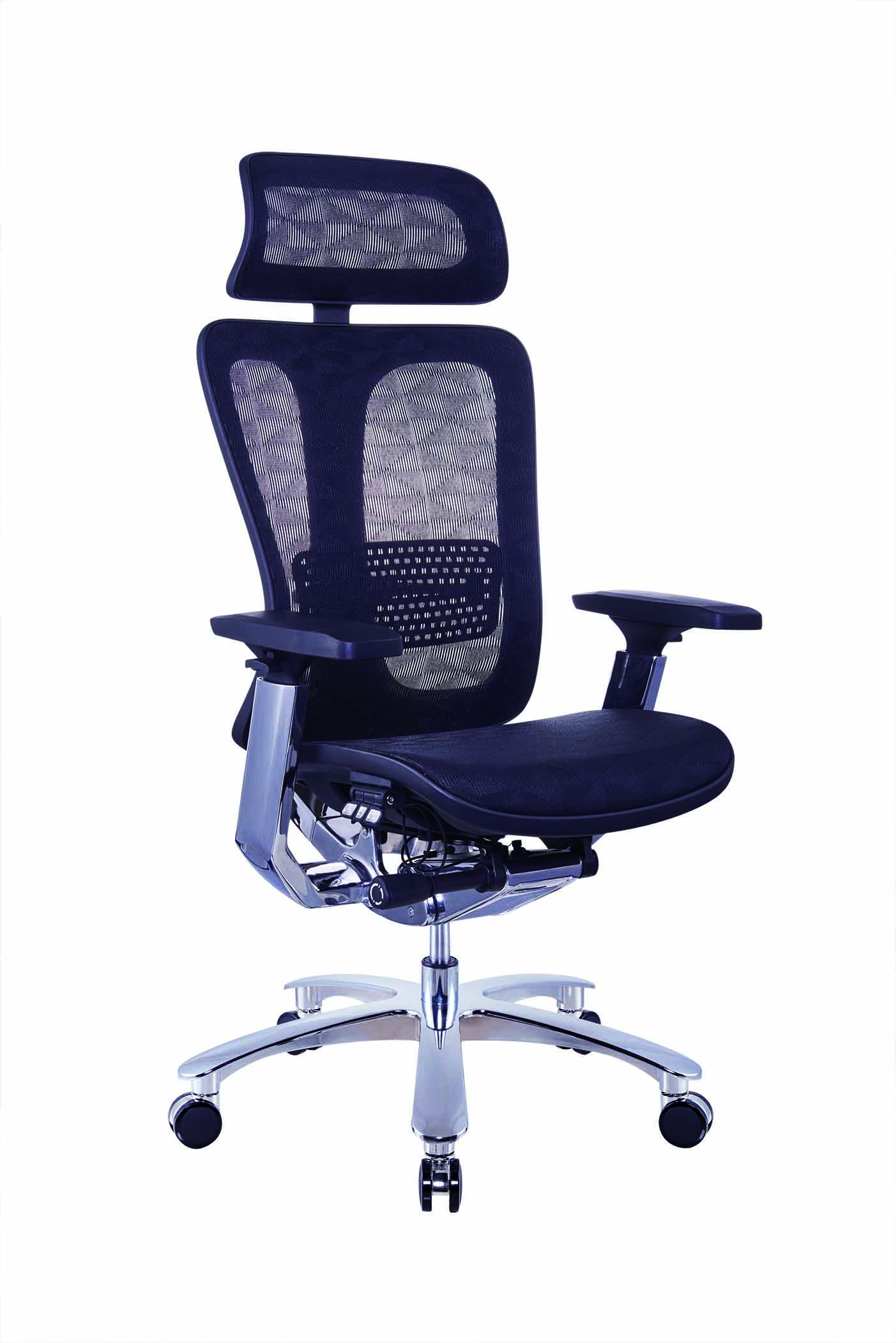
Most budget mesh backs use a single-layer polyester weave stretched over a thin plastic frame. The material feels taut on day one, but that initial tension is often achieved by pulling the mesh too aggressively during assembly. Within weeks, the fibers begin to relax unevenly, creating sag spots near the lumbar curve and shoulder blades. You'll notice the chair no longer supports your spine the same way, and no amount of re-tightening the mounting screws will fix it because the weave itself has permanently deformed.
The second killer is the edge binding. On pricier chairs, the mesh is reinforced with a separate bonded trim or a thicker border weave that distributes stress away from the seating area. Cheap versions skip this step, leaving raw mesh edges pressed directly against the frame's retention groove. Every time you shift your weight, those edges grind against hard plastic. After a few months, micro-tears start at the corners, then spread inward until the whole panel rips—often while you're leaning back, which makes the failure feel sudden even though it was building for ages.
Finally, the frame itself rarely gets the attention it deserves. Low-cost chairs use glass-filled nylon that's brittle rather than flexible. The mesh needs a frame that can flex slightly with body movement; instead, rigid plastic concentrates all the load at the mounting points. Over time, those points crack or the mesh pulls free from the channel entirely. It's not just one weak link—it's three or four compounding material shortcuts that turn a passable-looking chair into a wobbly, torn mess within a year.
The Ergonomic Mistake Driving Most Executive Chair Returns
Most returns happen because the lumbar curve is built for a generic spine, not the person actually sitting in it. The lower back support sits too high or protrudes with fixed pressure, pushing the pelvis forward and forcing the sitter to slump or arch unnaturally. Within a week, that constant pressure turns into lower back fatigue and soreness, and the chair goes back.
A chair can feel fine in a five-minute showroom test and still fail by Thursday. The problem is that static lumbar does not follow movement; it holds one position while the spine shifts, so the support becomes a pressure point. Taller users often find the bulge hits above the belt line, while shorter users feel it against the sacrum. Both groups end up reaching for cushions or leaning forward, which defeats the point of an executive chair.
Adjustable height and depth matter more than aggressive curve. A support that can be moved up or down, or softened, lets the chair match the body instead of demanding the body match the chair. If the lower back feels like it is being pushed rather than filled in, that is the return reason before the box is even recycled.
Custom Branding Without Waiting 12 Weeks for Production
Most suppliers quote a 12-week production window, and by the time the boxes arrive, the event is over or the trend has shifted. Our setup skips the overseas factory queue entirely. We use a network of local print partners and keep blank stock on hand, so your design goes from digital proof to finished product in under 10 business days.
That speed changes how you can run your brand. Launch a limited drop for a weekend market, test a new color scheme with a small order, or restock a bestseller without tying up cash in a 3-month forecast. Every order is printed after you approve it, so you never pay for items you don't need.
You also get to see real samples before committing to a full run. Send your artwork and we'll courier a physical proof within 48 hours. No waiting on cargo ships or customs clearance. Just a quick turnaround that keeps your next launch on schedule.
Hidden Freight Costs and How to Push Back on Them
Few things erode a shipping budget faster than the charges that never made it onto the original quote. Residential delivery fees, liftgate services, limited-access stops, and reweigh adjustments can quietly turn a competitive rate into an inflated invoice. The problem is rarely the base linehaul cost—it's the pile of accessorials that get applied after the fact, often without clear explanation. Carriers will also hit you with detention charges if your dock keeps a driver waiting, or reclassify your freight at a higher NMFC code if the dimensions or packaging don’t match what was entered at booking.
The most effective pushback starts before the shipment is tendered. Ask for an all-in rate that includes likely accessorials, and get it in writing. When an invoice arrives with surprise line items, request the carrier’s tariff or pricing confirmation and match each charge against what was agreed. Dispute anything that wasn’t disclosed upfront, especially reweighs and reclassifications, which often come down to a few inches or pounds. If a carrier plays hardball, don’t be afraid to shift volume to a competitor who offers clearer pricing. The goal isn’t to nickel-and-dime every fee, but to make it clear that hidden charges will be challenged every time.
Warranty Fine Print That Covers More Than the Frame
When shoppers spot a "lifetime warranty" on a sofa, they usually assume it only protects the wooden frame. Flip through the fine print, though, and you'll often find separate coverage windows for cushion cores, stitching, springs, reclining mechanisms, and even fabric colorfastness. That's where the real value hides—or where surprises come from—since each component usually has its own term limit and conditions.
For example, a manufacturer might give ten years on the frame but only three on foam density and one on upholstery seams. Some policies also include a "pro-rated" clause after the first year, meaning you'd pay a percentage of replacement costs as the furniture ages. Before buying, ask for the warranty document and highlight every component listed. If it only mentions the frame and nothing else, you may be taking on more risk than you think.
FAQ
Durability and real-world comfort matter more than a sleek catalog photo. Look for chairs with high-cycle gas lifts, reinforced armrests, and fabric or leather that resists pilling and cracking. If you can, request a sample chair and have a few team members use it for a week before committing.
Ask the supplier for a detailed spec sheet, not just a model name. This should list foam density, frame material, base type, and upholstery grade. Then put those specs into the purchase contract. A pre-shipment inspection by a third party can catch deviations before the chairs leave the factory.
One mistake is focusing only on the unit price and ignoring total landed cost. Shipping, customs, storage, and assembly can add up fast. Another is ordering chairs without checking the warranty for commercial use. Residential warranties often won't cover a busy office environment.
Lead times can stretch from a few weeks to several months, especially for custom finishes. If you're furnishing a new office, order chairs early and build in a buffer for port delays or production hiccups. Also confirm whether the supplier delivers to a loading dock or just to the curb, since inside delivery and assembly are usually separate charges.
For frames, powder-coated aluminum or reinforced nylon hold up better than cheap plastic. For upholstery, look for high-abrasion fabrics with a Martindale rating of 50,000 or more. Top-grain leather is elegant but requires upkeep; bonded leather tends to peel within a year or two under daily use.
Some adjustments are cheap to add if the factory already has the tooling. Things like seat depth adjustment, lumbar support tension, and different armrest heights often cost a few dollars per chair when ordered in volume. The expensive customizations are usually cosmetic, like unusual colors or stitching patterns.
Don't start with the listed wholesale price. Ask for a tiered quote based on quantity, and clarify what's included, such as delivery, assembly, or extended warranty. If the supplier won't move on price, ask for value-adds like free replacement parts, a longer payment term, or a dedicated account manager.
At minimum, the contract should spell out the warranty period for the frame, gas lift, casters, and upholstery separately. It should also state how replacement parts are handled, whether the supplier covers shipping for warranty claims, and the expected response time for issues. A good vendor will provide a parts list and simple repair instructions before the chairs even arrive.
Conclusion
Bulk pricing rarely holds up after that first quote lands in your inbox. Suppliers often float a tempting per-unit number, then quietly add charges for packaging changes, density requirements, or processing once you push past initial quantities. Before committing, ask for a tiered breakdown tied to exact order volumes and delivery windows—not just a headline rate. Alongside price, durability deserves more scrutiny than most buyers give it. Cheap mesh backs feel fine in a showroom, but after months of daily use, the tension drops, the weave sags, and you’re replacing chairs long before the warranty expires. That failure pattern ties directly into the ergonomic misfires that drive executive chair returns: buyers chase aggressive lumbar curves or breathable mesh without checking seat depth, armrest adjustability, or how the back actually aligns with the spine for hours of seated work. If the chair forces a forward head posture or cuts off thigh support, no amount of mesh branding fixes the discomfort.
Custom branding doesn’t have to mean waiting twelve weeks for a production slot. Many wholesalers now keep blank chair shells in regional warehouses, letting you add embroidered logos or embossed headrests in days rather than months—provided you confirm the decoration method before ordering. Freight is another line item that can quietly destroy your margin. Ask for the dimensional weight calculation and the class of shipping used, then push back on any flat rate quote that doesn’t match the pallet count. If the supplier won’t disclose carrier details or let you use your own freight forwarder, treat that as a red flag. Finally, read the warranty beyond the frame. Better bulk programs cover gas lifts, casters, arm pads, and even mesh replacement for a set number of years. That broader coverage matters more than a long lifetime frame warranty when daily office use hits every moving part.
Contact Us
Contact Person: Diff Wang
Email: [email protected]
Tel/WhatsApp: +8613650281199
Website: https://www.ofcmeshchair.com/