
Which Laser Therapy for Rhinitis Works Best? Comparing Your Options
2026-05-24
If you’re one of the millions seeking relief from chronic rhinitis, you’ve likely heard about laser therapy—but with so many types out there, which one actually works best? From low-level lasers to more intense surgical options, the choices can be confusing. At GUANG TAI, we’ve spent years refining phototherapy solutions, and we know that comparing the right features matters more than hype. In this guide, we’ll break down the most effective laser treatments for rhinitis, what sets them apart, and how to decide which one fits your needs—so you can breathe easier, sooner.
Can Laser Therapy Really Quiet Your Rhinitis?
If you’ve battled the relentless sneezing, congestion, and itchy eyes of rhinitis, you’ve probably tried antihistamines, nasal sprays, and maybe even allergy shots. But when these fall short, the promise of laser therapy can sound almost too good to be true. The idea is fascinating: a beam of light, applied inside the nose or over the sinuses, supposedly calms the overactive immune response that triggers all that misery. So, does it actually work, or is it just another hope in a shiny package?
The science behind laser therapy for rhinitis centers on photobiomodulation — a process where specific wavelengths of light interact with cells to reduce inflammation and promote tissue repair. In theory, the laser penetrates the nasal mucosa, quieting the mast cells that release histamine and other inflammatory chemicals. Small studies have shown promising results: reduced nasal congestion, less sneezing, and improved quality of life, sometimes after just a few sessions. But the evidence isn’t robust enough yet for major medical bodies to endorse it widely. Most studies are small, lack sham controls, or have short follow-up periods, leaving skeptical doctors wanting more.
Anecdotally, some patients swear by it, describing a dramatic drop in symptoms that lets them finally breathe freely or ditch daily medications. However, outcomes vary wildly — one person’s miracle might be another’s disappointment. The treatment is generally safe, with mild tingling or warmth during application, but it’s not a permanent fix; maintenance sessions are often needed. If you’re thinking about trying it, look for a practitioner who uses FDA-cleared devices and be wary of anyone promising an outright cure. Laser therapy may indeed quiet your rhinitis for a while, but at this point, it’s a tool, not a guarantee.
The Lowdown on Laser Types for Stubborn Nasal Allergies
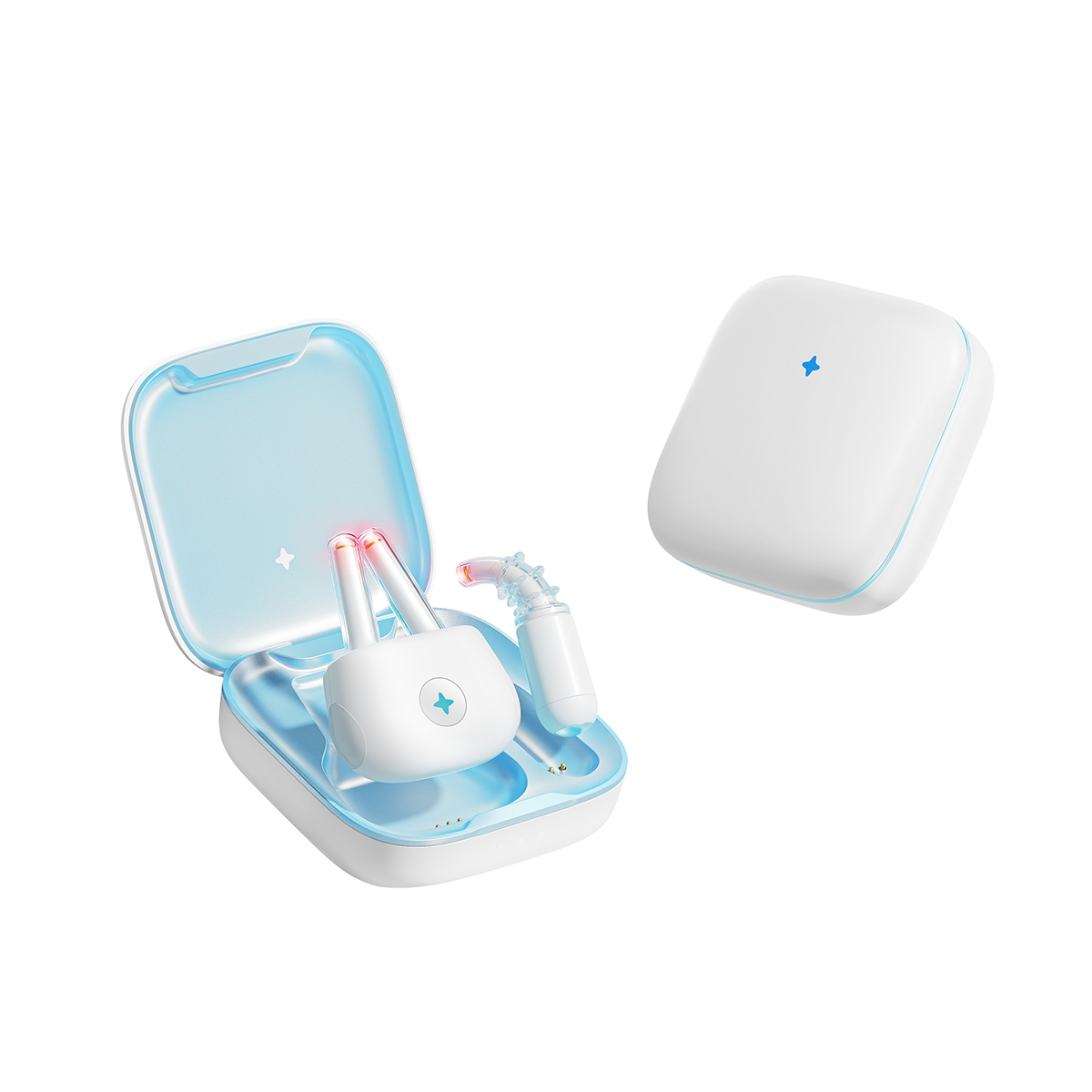
When antihistamines and nasal sprays stop cutting it, many turn to laser therapy to calm overactive nasal passages. The key is understanding that not all lasers work the same way—some target swollen turbinates by gently shrinking soft tissue with precise wavelengths, while others focus on disrupting the nerve signals that trigger constant sneezing and congestion. It’s a far cry from the one-size-fits-all approach of first-line treatments, and picking the right wavelength can mean the difference between lasting relief and a temporary fix.
One of the more established options is the diode laser, valued for its ability to deliver controlled, low-level heat that contracts the mucosal lining without excessive damage to surrounding areas. In the hands of an experienced ENT, it’s often used for a procedure called laser turbinoplasty, which can open up airways with minimal bleeding and a recovery period that usually spans just a few days. Then there are fractional CO2 lasers, which take a resurfacing approach: they create micro-injuries that push the tissue into a healing mode, gradually reducing chronic inflammation and desensitizing the nose’s hyperreactivity over a series of sessions. It’s a slower build, but for people with year-round allergies, the cumulative effect can significantly dial down symptoms.
Another contender is the Nd:YAG laser, which penetrates deeper and is sometimes chosen when the goal is to target blood vessels that contribute to nasal stuffiness. Meanwhile, newer photobiomodulation devices use low-level light to calm mast cells in the nasal lining, offering a gentler path that doesn’t involve tissue removal at all. The reality is that no single laser fits every stubborn case—the choice hinges on whether the underlying issue is vascular, neurogenic, or purely inflammatory. A thorough assessment by a specialist, not a flashy marketing brochure, is what determines if laser therapy will actually break the cycle of persistent nasal allergies.
How Each Laser Method Changes the Game for Your Nose
When it comes to reshaping your nose without surgery, the variety of laser methods available can feel overwhelming—but each one brings a distinct advantage that sets it apart. Some lasers excel at refining the nasal tip, smoothing out small bumps, or evening out skin texture with minimal downtime. Others target deeper layers of tissue to stimulate collagen, gradually lifting and tightening the nasal contours over time. The real game-changer is that these techniques can be combined in a single session, tailored precisely to your unique anatomy, which means you’re not just getting a one-size-fits-all approach but a personalized nose rejuvenation plan.
What makes these laser options so transformative is how they sidestep the knife entirely. For instance, a fractional CO2 laser can resurface the skin on the nose, reducing pore size and fading old scars or sun damage, all while triggering a healing cascade that firms the area. On the other hand, an Nd:YAG laser penetrates deeper without disrupting the surface, making it ideal for contouring the nasal bridge or subtly straightening minor asymmetries. You walk out with little more than a faint flush, and over the following weeks, the nose gradually refines itself—no visible incisions, no lengthy recovery, just a natural-looking shift that friends might notice but won’t instantly pinpoint.
Beyond the physical changes, these treatments shift the entire experience of cosmetic enhancement. The precision of laser energy means we can avoid the discomfort and bruising often associated with traditional rhinoplasty alternatives. There’s a freedom in knowing you can tweak your profile during a lunch break and return to your routine almost immediately. And because the results evolve gradually, the transformation feels less like a dramatic procedure and more like a series of subtle upgrades—giving you the nose that harmonizes with your face without ever shouting that you’ve had something done.
Effectiveness Showdown: Which One Tames Symptoms Best?
When it comes to quieting persistent symptoms, the choice between traditional medications and newer alternatives often sparks heated debate. Over-the-counter antihistamines, for instance, offer quick relief for seasonal allergies, but many users report drowsiness that undercuts their daily productivity. On the other hand, prescription biologics target the immune response more precisely, offering longer-lasting symptom control with fewer immediate side effects—though the cost and need for regular injections can be a dealbreaker for some.
Lifestyle adjustments and natural remedies present another path, one that many patients are eager to explore. Techniques like nasal irrigation or breathing exercises can reduce reliance on drugs, but their effectiveness varies wildly from person to person. A 2023 patient survey revealed that while 40 percent saw significant improvement with daily saline rinses, others found no relief and ended up back on medication. The real key often lies in a tailored combination, guided by careful tracking of what actually works for the individual.
Safety First: What to Expect From Laser Side Effects
Lasers aren't magic wands—while they deliver impressive results, your skin might need a little downtime afterwards. Most people notice some redness and mild swelling right after a session, almost like a sunburn that fades within a few hours to a couple of days. It's your skin's way of starting the repair process, and it's usually nothing to worry about.
Don't be surprised if you see tiny dark dots or feel a bit of sandpaper-like texture in the treated area over the next week. This is just the treated pigment or hair fragments working their way to the surface before naturally shedding. Picking at these spots is tempting, but touching them can lead to scarring or discoloration—let them flake off on their own for the smoothest outcome.
More rare, but worth knowing about: temporary pigment changes can happen, especially if you've had recent sun exposure. Your skin might lighten or darken in patches, though this typically evens out over time. Staying out of the sun and following your provider's aftercare instructions lowers the odds considerably, so think of it as a short-term trade-off for long-term smoothness.
Your Personal Allergy Blueprint: Picking the Right Laser
When you have sensitive or allergy-prone skin, the decision to undergo laser treatment isn't one to take lightly. Not all lasers are created equal, and your skin's unique needs demand a tailored approach. The wrong wavelength or intensity can trigger inflammation, hyperpigmentation, or even a full-blown allergic reaction. That's why mapping out your personal allergy profile before choosing a laser is non-negotiable. It's about more than just avoiding irritation — it's about ensuring your skin's long-term health while still achieving the results you want.
Start by identifying your skin's most common triggers: Is it nickel? Fragrance? Heat? Many people don't realize that certain laser types, like ablative ones, can release histamines or aggravate underlying mast cell issues. If you're prone to contact dermatitis, the cooling gels and post-treatment creams used during laser sessions might also be culprits. Gathering this intel helps you and your provider rule out risky modalities and steer toward hypoallergenic, low-downtime options — like a 1064nm Nd:YAG or a gentle diode — that can bypass your known allergens entirely.
Ultimately, your blueprint should be a living document. Patch testing isn't just for skincare products — it applies to lasers too, especially if you've had past reactions. Consider keeping a symptom diary over several seasons, as allergies can shift with weather and stress. When you walk into a consultation armed with that history, you're not just a passive patient — you're an informed advocate for your own skin. The right laser won't just be safe; it'll work with your biology, not against it.
FAQ
Diode and carbon dioxide (CO2) lasers are the most widely used for treating rhinitis. Diode lasers offer precision and are often employed for shrinking swollen turbinates, while CO2 lasers vaporize excess soft tissue to open nasal passages.
Laser therapy is generally considered safer and less invasive than traditional turbinate surgeries. It involves no external cuts, minimal bleeding, and a lower risk of complications like scarring or prolonged healing.
Many patients experience sustained relief for 1 to 3 years, though the duration varies based on individual factors like allergy severity and exposure to triggers. Some may need a repeat session after a few years.
Downtime is usually minimal. You might have some nasal stuffiness or mild discharge for a few days, but most people return to daily activities within 24 to 48 hours. Heavy exercise may need to wait a week.
Those with persistent nasal obstruction or rhinorrhea due to allergic or non-allergic rhinitis who haven't responded well to medication are often good candidates. A prior nasal exam helps confirm if turbinate reduction would help.
It's not a permanent cure for underlying allergies, but it can significantly reduce symptoms for extended periods. If allergies are the root cause, ongoing allergy management is still needed to prevent recurrence of inflammation.
Laser therapy can provide faster symptom relief than immunotherapy and reduce dependency on daily nasal sprays or antihistamines. However, immunotherapy targets the immune response directly, potentially offering longer-term remission for some.
Conclusion
Laser therapy for rhinitis isn’t a one-size-fits-all fix, but for many, it offers real relief when standard meds fall short. The idea is simple: targeted light energy helps calm overactive nasal nerves or reduces swollen tissues that trigger those endless sneezes and stuffiness. Two main camps dominate the field—photobiomodulation (often called low-level laser) and more intense surgical lasers like diode or Nd:YAG. Low-level options work gently over multiple sessions, aiming to dial down inflammation without damaging tissue. Surgical types, by contrast, can precisely trim or reshape the problem areas inside your nose in just one or two visits.
When you stack them side by side, results vary widely. Low-level laser might need patience—several sessions over weeks—but side effects are rare beyond slight warming or transient stuffiness. Surgical lasers pack a punch, often delivering longer-lasting breathing freedom after a single procedure, though they come with crusting, mild bleeding, or temporary discomfort. Choosing comes down to your own allergy blueprint: the severity of your symptoms, how you respond to other treatments, and whether you can afford downtime. A thorough chat with an ENT specialist who truly listens is your best bet—there’s no substitute for mapping treatment to your unique nasal landscape. After all, the best laser is the one that fits your life, not just a statistic.
Contact Us
Contact Person: Leon Yi
Email: [email protected]
Tel/WhatsApp: +86 17363316873
Website: https://zzgt.en.alibaba.com/