
Wafer Butterfly Valve: Best Solutions for Superior Flow Control
2025-12-24
In the world of process management, achieving precise flow control is paramount—especially when dealing with sensitive or high-demand applications. Enter the wafer butterfly valve, a compact yet powerful component that often holds the key to superior performance. In this blog, we delve into the best solutions for optimizing flow dynamics, from design features to real-world applications. At the forefront of innovation, DRIFCO offers cutting-edge wafer butterfly valves engineered for reliability and efficiency. Stay tuned to uncover how these advanced valves can revolutionize your systems and why they've become a go-to choice for industries worldwide.
Exploring the Core Components of Wafer Butterfly Valves
Wafer butterfly valves stand out in industrial settings for their compact design, featuring a disc that rotates on a central axis to control flow. Unlike lug-type valves, wafer valves are sandwiched between flanges without threading into the pipeline, relying on bolts to secure them in place. This streamlined approach makes them perfect for tight spaces and quick installations, ideal for applications where space is at a premium, such as HVAC systems or water treatment plants. The disc, often made of materials like stainless steel or PTFE, acts as the primary sealing element, providing a tight shut-off when closed against a flexible seat.
Key components include the valve body, which houses the internals and is typically cast from durable metals like ductile iron for longevity. The seat, usually made from resilient elastomers like EPDM or Viton, forms a leak-proof seal against the disc, while the stem connects the actuator to the disc, enabling smooth operation. Unlike generic descriptions, it's worth noting that some advanced wafer valves incorporate bi-directional sealing capabilities, ensuring performance in varied flow directions without compromising efficiency. This adaptability makes them a go-to choice for industries seeking reliability without the bulk of traditional valves.
To differentiate from common overviews, consider how modern wafer butterfly valves integrate innovations like low-torque designs and corrosion-resistant coatings, enhancing their lifespan in harsh environments like chemical processing. Their lightweight nature not only cuts down on shipping costs but also reduces installation labor, offering a cost-effective solution over time. By focusing on these nuanced aspects, users can appreciate why these valves are more than just simple flow regulators—they're engineered for precision and durability in demanding scenarios.
Advantages of Wafer Butterfly Valves in Flow Control Applications
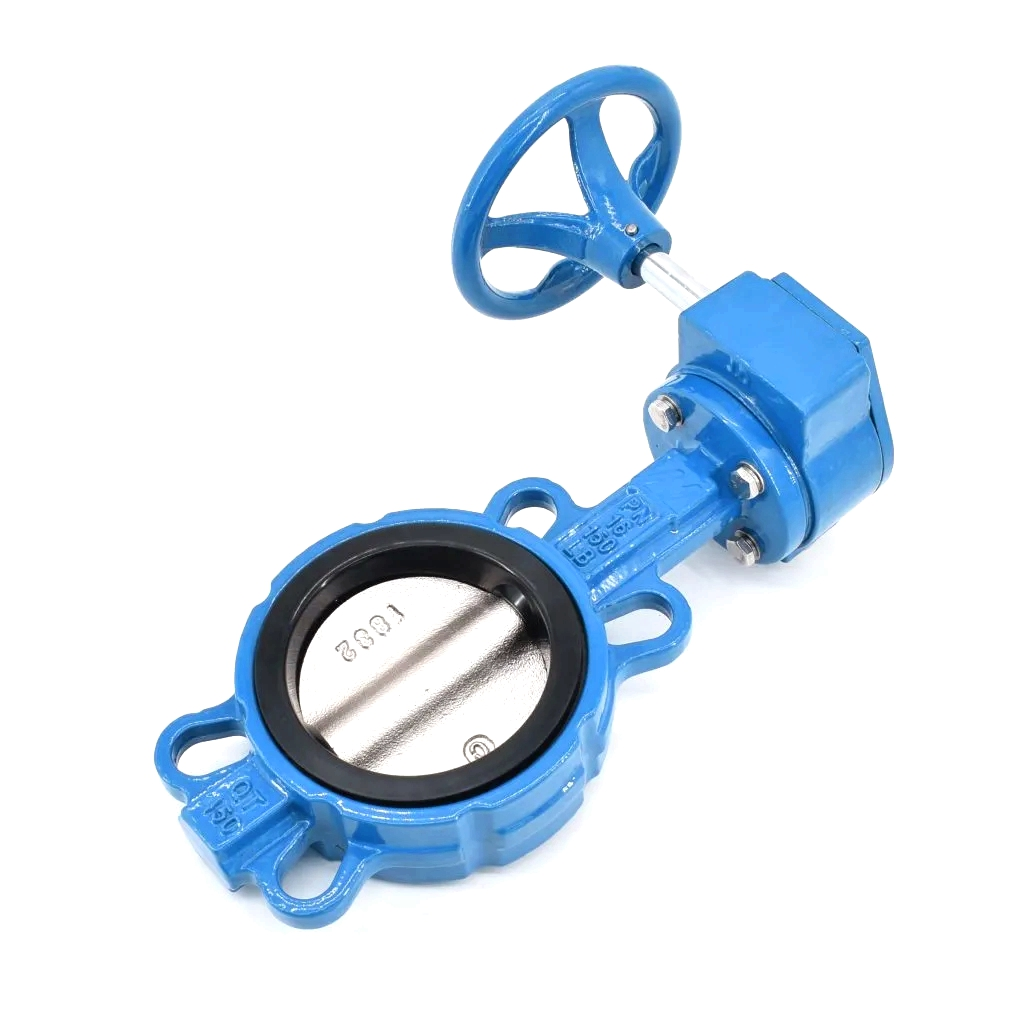
Wafer butterfly valves are prized in flow control for their compact design, which simplifies installation in tight spaces. They provide a reliable shut-off mechanism ideal for various industrial applications, from water treatment to chemical processing. Their efficient operation with a quarter-turn action ensures quick response times, making them a go-to choice for systems requiring frequent adjustments. This adaptability, coupled with a lightweight build, reduces both installation costs and maintenance efforts, offering a practical solution for optimizing fluid management.
What sets wafer butterfly valves apart is their ability to handle high flow rates with minimal pressure drop. Unlike some alternatives, they maintain consistent performance even in demanding environments, such as those involving corrosive media or fluctuating temperatures. The valve's disc design, often featuring a streamlined profile, enhances flow efficiency while minimizing turbulence. This results in smoother operation and extended service life, making them not just a component but a strategic investment for long-term reliability in flow control setups.
In today's competitive landscape, choosing wafer butterfly valves can offer distinct advantages in terms of cost-effectiveness and versatility. They are compatible with a wide range of materials, including stainless steel and rubber-lined options, allowing for customized solutions tailored to specific needs. This flexibility, combined with easy integration into automated systems, supports modern industrial trends toward efficiency and sustainability. By reducing energy consumption and downtime, these valves contribute to enhanced operational outcomes, proving their value beyond mere functionality.
Selecting the Right Wafer Butterfly Valve for Your System
When it comes to choosing a wafer butterfly valve, the decision isn't just about picking the first option off the shelf. These valves are known for their compact design and cost-effectiveness, but to truly match one to your system, you'll need to consider factors like material compatibility, pressure ratings, and the specific flow requirements of your application. For instance, if your system handles corrosive fluids, opting for a stainless steel or lined valve might be crucial to prevent premature failure and ensure long-term reliability.
Beyond basic specs, think about the operational environment—will the valve be exposed to extreme temperatures or frequent cycling? High-performance wafer butterfly valves often feature robust seals and reinforced discs that can withstand such demands, reducing maintenance headaches down the line. It's also worth exploring newer models with enhanced features like zero-leakage designs or improved throttling capabilities, which can provide better control and efficiency compared to standard versions.
Don't overlook the importance of installation and space constraints, as wafer valves are designed to fit snugly between flanges without additional support. Consulting with manufacturers or engineers who specialize in fluid handling can offer tailored insights, helping you avoid common pitfalls like undersizing or selecting incompatible materials. By taking a holistic approach, you can ensure your valve not only fits but truly optimizes your system's performance.
Installation Techniques to Ensure Optimal Valve Performance
Proper valve installation is not just about following steps; it's about building a foundation for long-term reliability. Start by preparing the pipeline thoroughly—ensure it's clean and free from debris that could interfere with valve operation. Align the valve carefully with the pipe flanges to prevent stress and misalignment, which often leads to premature wear. Use the correct gaskets and fasteners, tightening them evenly in a star pattern to create a secure, leak-free seal. This attention to detail during setup can dramatically reduce maintenance needs and enhance overall system efficiency.
Beyond physical placement, consider environmental factors that impact valve performance. For instance, in high-vibration areas, additional supports or flexible connections might be necessary to prevent fatigue failure. If the valve handles corrosive media, select materials and coatings that resist degradation, and apply appropriate insulation in extreme temperatures to avoid thermal stress. Always verify that the valve orientation matches the flow direction indicated on its body; a simple mistake here can cause inefficiency or even damage. By tailoring installation to specific conditions, you ensure valves operate smoothly under real-world pressures.
Post-installation checks are equally crucial for optimizing performance. Conduct a pressure test to confirm there are no leaks, and operate the valve several times to check for smooth movement and proper sealing. Document the installation process, including torque settings and alignment data, for future reference during maintenance. Regular inspections early on can catch minor issues before they escalate, helping valves deliver consistent, reliable service over their lifespan. With these techniques, you're not just installing a valve—you're investing in a durable, high-performing component of your system.
Maintenance Strategies for Long-Term Reliability and Efficiency
In the push for long-term reliability and efficiency, a proactive maintenance strategy isn't just a cost-saving measure—it's a foundation for operational resilience. By shifting from reactive fixes to predictive and preventive approaches, organizations can preemptively address wear-and-tear, ensuring systems run smoothly over extended periods. This forward-thinking mindset not only reduces unexpected downtime but also optimizes energy usage and resource allocation, creating a sustainable cycle of performance that supports both short-term goals and long-term viability.
One standout tactic is condition-based maintenance, which leverages real-time data from sensors and IoT devices to monitor equipment health. Instead of adhering to rigid schedules, this approach triggers interventions only when specific thresholds are met, such as vibration spikes or temperature anomalies. This targeted method not only extends asset lifespan by preventing premature replacements but also enhances efficiency by minimizing unnecessary inspections and interventions. It's a dynamic way to keep machinery humming without overburdening maintenance teams with guesswork.
Integrating reliability-centered maintenance (RCM) adds another layer of depth, focusing on critical assets that could cause significant operational disruptions if they fail. By analyzing failure modes and effects, organizations prioritize maintenance efforts where they matter most, ensuring high-reliability systems remain robust. Coupled with continuous improvement through feedback loops and data analytics, this holistic strategy evolves with technological advancements, keeping operations lean and competitive while safeguarding against future uncertainties.
Industry-Specific Uses of Wafer Butterfly Valves for Enhanced Operations
Wafer butterfly valves play a critical role in optimizing operations across various industries by offering efficient flow control in compact designs. In the chemical processing sector, these valves are valued for their ability to handle corrosive fluids and gases, with materials like PTFE-lined discs ensuring longevity and safety in harsh environments. Their quick quarter-turn operation allows for rapid shutdowns during emergencies, enhancing plant reliability and reducing downtime. In water treatment plants, wafer butterfly valves manage large volumes of water with minimal pressure drop, supporting continuous filtration and distribution systems while being easy to install between flanges without additional support. This versatility has made them a go-to choice for engineers seeking cost-effective and low-maintenance solutions in demanding applications.
Beyond traditional settings, wafer butterfly valves are gaining traction in renewable energy systems, such as biogas production and solar thermal plants, where they regulate fluid flows to maximize energy output and system efficiency. In the food and beverage industry, they meet strict hygiene standards with smooth, crevice-free surfaces that prevent contamination and simplify cleaning processes, crucial for maintaining product quality. Their lightweight construction and reduced space requirements also benefit HVAC systems in commercial buildings, enabling precise temperature and airflow control without compromising on installation flexibility. By adapting to diverse operational needs, these valves help streamline workflows and boost overall performance, from small-scale facilities to large industrial complexes.
FAQ
A wafer butterfly valve is a quarter-turn valve with a rotating disc that controls fluid flow. It's installed between two flanges, using bolts to secure it, making it compact and lightweight for tight spaces.
They offer excellent flow control with minimal pressure drop. Their simple design reduces maintenance, and they're cost-effective for both initial setup and long-term use.
Common materials include stainless steel, carbon steel, or alloys like Hastelloy, often with elastomer seats like EPDM or PTFE to resist corrosion and wear.
They're vital in water treatment, chemical processing, HVAC systems, and food and beverage production, where efficient flow control and hygiene are crucial.
Align it carefully between flanges, tighten bolts evenly in a crisscross pattern to avoid leaks, and check for disc clearance to prevent operational issues.
Regularly inspect for leaks or wear, lubricate moving parts as needed, and clean the disc and seat to prevent debris buildup and corrosion.
Conclusion
Wafer butterfly valves have emerged as a superior solution for flow control in various industrial applications, offering a blend of efficiency and reliability. Exploring their core components reveals a simple yet effective design, including a disc, stem, and body that ensures seamless operation. The advantages of these valves are significant, providing excellent shut-off capabilities, minimal pressure drop, and space-saving features, making them ideal for systems where precise flow regulation is crucial. When selecting the right wafer butterfly valve, factors such as material compatibility, size, and pressure ratings must be considered to match specific system requirements, ensuring optimal performance and longevity.
Proper installation techniques are essential to guarantee optimal valve performance, involving correct alignment and secure fastening to prevent leaks and operational failures. Maintenance strategies for long-term reliability include regular inspections, lubrication, and timely replacement of worn parts, which enhance efficiency and reduce downtime. Industry-specific uses of wafer butterfly valves span sectors like water treatment, chemical processing, and HVAC systems, where they contribute to enhanced operations by offering versatile and cost-effective flow control solutions. Overall, wafer butterfly valves stand out as best-in-class tools for achieving superior flow management in diverse industrial settings.
Contact Us
Contact Person: George
Email: [email protected]
Tel/WhatsApp: 13863633883
Website: https://www.es-fire.com