
Vibratory Concrete Reclaimer Manufacturer: Key Benefits for Your Construction Site
2026-07-22
Managing concrete waste on a busy construction site is a constant challenge, but what if you could turn that waste into reusable materials while keeping your workspace clean and efficient? A vibratory concrete reclaimer makes this possible, recovering aggregates and water from leftover concrete with precision. At Sinou, we design advanced reclaimers that help you cut costs, reduce environmental impact, and streamline operations. Discover the key benefits of integrating our technology into your site.
Slash Waste Disposal Costs with On-Site Reclamation
Conventional waste management often bleeds budgets through hauling fees, landfill taxes, and the hidden cost of lost materials. Shifting to on-site reclamation turns that outdated model on its head. Instead of paying to truck off debris, companies can crush, screen, and repurpose it right where they stand. This eliminates multiple line items from the disposal invoice, from bin rental to per‑ton tipping fees, and frees up cash that would otherwise vanish into the waste stream.
The savings don’t stop at disposal. On‑site reclamation creates a stockpile of ready‑to‑use material, sharply reducing the need to purchase virgin aggregates, soil, or fill. For instance, a road construction crew can mill old asphalt, blend it with a rejuvenator, and immediately relay it — cutting material procurement costs by up to 50% while dodging supply chain delays. That’s a double win: less money out the door and a tighter, more predictable project budget.
Turn Leftover Concrete into Reusable Aggregate Instantly
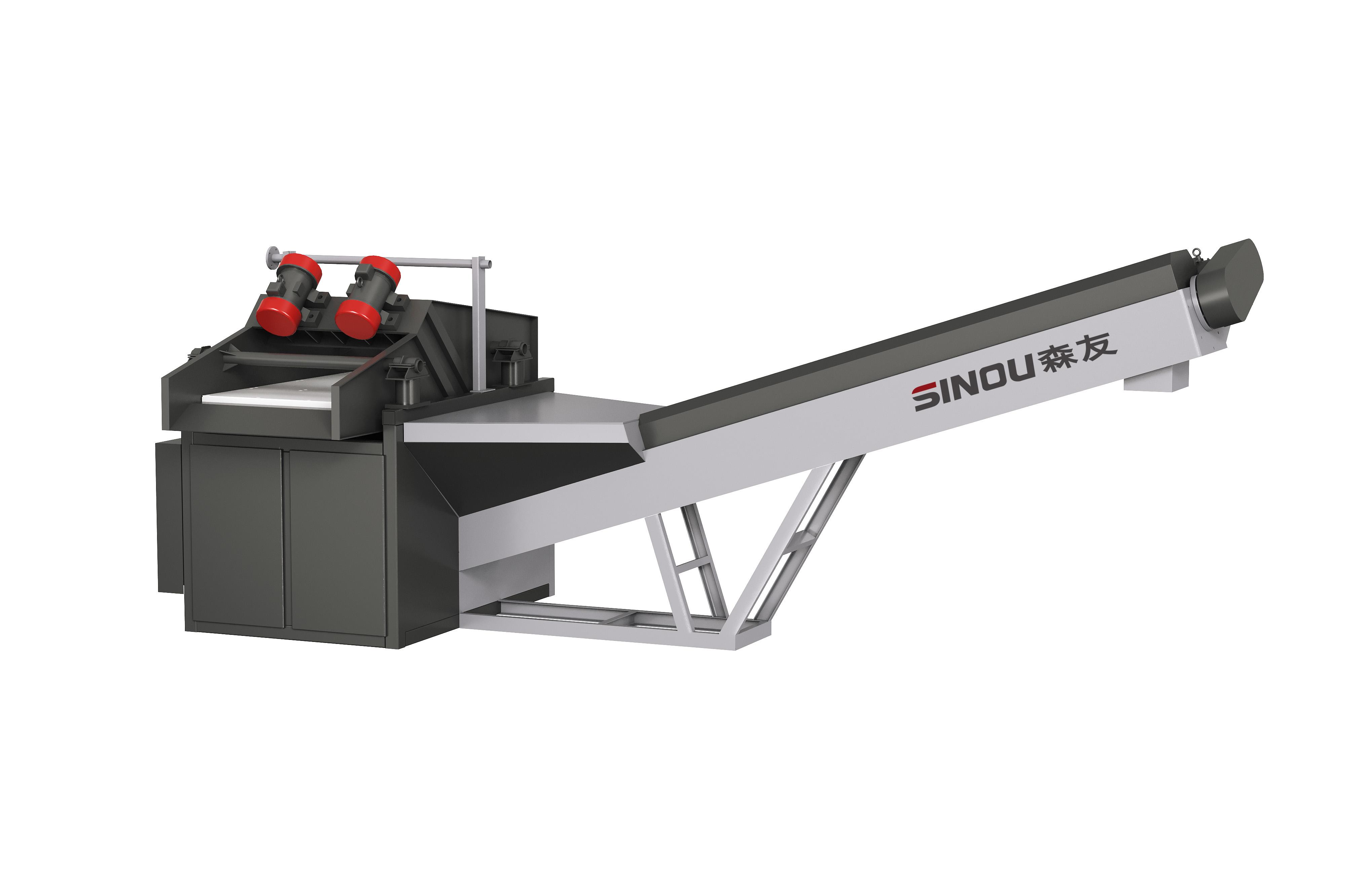
Leftover concrete from job sites doesn’t have to be a disposal headache. With compact, on-site crushing attachments and portable recycling units, crews can feed hardened remnants straight into a crusher. In minutes, what was scrap transforms into graded, reusable aggregate ready for subbase, backfill, or new concrete mixes.
This shift slashes hauling costs and keeps dumpster loads out of the landfill. By reclaiming the material right where it’s generated, you sidestep trip fees, fuel burn, and the carbon weight of long-haul transport. The payback is immediate: less purchased virgin stone, less cleanup downtime, and a cleaner site.
Finer control over output size means the aggregate can be tuned for the project’s exact needs—from coarse fill to fine bedding. Whether it’s a sidewalk tear-out, a batch plant return, or a pile of hardened leftovers, the process runs electric or hydraulic, fitting into existing workflows with minimal fuss. It’s concrete’s second life, delivered on the spot.
Meet Green Construction Standards Without Extra Effort
Sustainable building doesn't have to mean adding costly steps or complex certifications to your workflow. Modern materials and techniques are now mainstream enough that you can hit key green targets simply by making smarter sourcing choices from the start. For instance, specifying locally produced, recycled-content steel or low-VOC adhesives often requires zero change to your installation process—just a different item code on the order form. These swaps quietly reduce your project's carbon footprint without any extra site training or delays.
The real trick is folding efficiency measures into the standard design phase so they become invisible to the construction team. Advanced framing that uses less lumber while boosting insulation values, or erosion-control plans that double as landscaping features, integrate so smoothly that crews barely notice they're building "green." When regulatory inspections come around, the compliance documentation is already baked into the routine submittals, sidestepping last-minute scrambles and keeping the project's momentum untouched.
Compact Design That Fits Tight Job Sites Seamlessly
Navigating confined spaces on busy construction sites becomes far less stressful when equipment isn't constantly in the way. This model's scaled-down footprint means you can weave between studs, tuck it into a corner while other trades work, or roll it through standard doorways without needing to dismantle anything. The days of wasting precious minutes maneuvering oversized gear through narrow hallways are over—this unit was built from the ground up with cramped urban renovations and interior finish work in mind.
What's often overlooked is how a compact frame can actually boost daily output. Instead of setting up a secondary workstation outside the room you're servicing, the machine sits right beside you, cutting down on back-and-forth trips. The low center of gravity keeps it stable on uneven subfloors, while the trimmed width slides neatly between floor joists. It's not just about fitting into a tight spot—it's about staying out of your way so you can maintain a smooth workflow from start to finish.
There's a certain freedom that comes with gear that doesn't dictate where or how you work. Whether you're retrofitting an old apartment building with twisty corridors or tackling a high-end kitchen remodel where every square inch counts, this tool adapts to the space rather than forcing you to adapt to it. The ergonomic handle placement and modest height mean you won't be bumping your elbows on walls or ducking under low bulkheads—small comforts that add up over a long day.
Boost Long-Term Equipment Reliability with Minimal Upkeep
Keeping equipment running smoothly for years doesn’t have to mean constant, hands-on attention. The secret often lies in the upfront choices--selecting components rated well beyond your actual demands, and opting for simpler, time-tested mechanisms that don't rely on fragile electronics or overly complex assemblies. When a machine is built with generous safety margins and straightforward design, it naturally shrugs off the small stressors that wear down more delicate systems.
Strategic placement and environment control play a larger role than most realize. Shielding moving parts from dust, moisture, and temperature swings can slash degradation rates without adding any ongoing labor. Something as basic as a well-fitted cover or a vibration-dampening mount can prevent the micro-damage that accumulates into major failures. It’s these quiet, one-time adjustments that keep equipment quietly humming along while demanding little from the maintenance crew.
Instead of rigid, calendar-based checkups, shift toward monitoring only what truly signals trouble. A $50 temperature sensor or a simple hour-counter can catch early warning signs long before they become breakdowns. This lets you intervene only when necessary, avoiding unnecessary disassembly that often creates new problems. The result is a self-reinforcing cycle: less meddling keeps seals intact and alignments true, which in turn requires even less upkeep over time.
Reduce Water Usage Dramatically Through Smart Recycling
Water is one of the most undervalued resources in manufacturing and daily life, yet a surprising amount of it can be conserved through smarter recycling habits. Instead of treating water as a single-use commodity, industries are now adopting closed-loop systems that capture, treat, and reuse water multiple times before discharge. This approach not only slashes overall consumption but also reduces the strain on local water supplies, proving that what was once considered waste can become a continuous resource.
On a smaller scale, households can dramatically cut water waste by recycling greywater from sinks, showers, and washing machines for irrigation or toilet flushing. Simple systems can be installed to divert this lightly used water, keeping gardens lush without tapping into fresh supplies. When combined with rain harvesting and conscientious appliance choices, the cumulative effect is staggering—a typical home can halve its municipal water draw without any noticeable change in comfort.
The real breakthrough happens when smart recycling is paired with behavioral shifts. It’s not just about installing efficient technologies; it’s about rethinking water’s lifecycle. From using recycled process water in cooling towers to repurposing rinse water in food production, every drop saved is a step toward a less wasteful future. The upfront effort pays off not only in lower bills but in the resilience it builds against droughts and shortages that are becoming all too frequent.
FAQ
It separates leftover wet concrete into reusable sand and gravel while recycling the water, so almost nothing from your mixer trucks goes to waste.
Unlike screw reclaimers that grind materials, vibratory models use high-frequency shaking to gently separate aggregates, reducing wear and producing cleaner, sharper sand for reuse.
Most sites see lower disposal fees, reduced need for virgin aggregates, and less water consumption—often paying back the equipment within a year of heavy use.
Yes, many manufacturers offer units that process over 20 cubic meters per hour, so even high-volume plants can keep up with returning trucks without bottlenecking.
It’s mostly about inspecting screen decks weekly and lubricating vibration motors. The open design means you don’t have to dig out packed material like in screw systems.
It gives you washed, graded aggregates that perform almost identically to new materials, so you can reliably substitute a portion of fresh stone and sand in your mixes.
Most units need a concrete pad, a settling pit for process water, and enough room for a loader to scoop reclaimed piles. Manufacturers typically help with a layout drawing for your yard.
Absolutely—reusing washout water and solids helps meet stormwater runoff rules and reduces the environmental footprint, which matters more and more to project owners and local authorities.
Conclusion
Investing in a vibratory concrete reclaimer from a dedicated manufacturer fundamentally changes how construction sites handle leftover material. Instead of paying haulers to cart away wet concrete and dealing with rising landfill fees, on-site reclamation slashes those expenses dramatically. The equipment instantly processes returned concrete into clean, reusable aggregate and slurry water, so nothing goes to waste. This immediate recycling loop means you buy less virgin aggregate and cut water consumption by significant margins—some systems reuse over 90% of washout water. It’s a straightforward way to align with green building standards without piling on extra administrative work or certifications, because the environmental gains are built right into the daily workflow.
Beyond the obvious cost and sustainability perks, the right reclaimer design keeps operations smooth in cramped urban jobsites. Modern vibratory units pack powerful separation into a compact footprint, often fitting into corners where space is at a premium. They’re engineered for reliability with few moving parts and low-maintenance components, so you’re not nursing a temperamental machine or losing time to frequent repairs. That durability pays off over the long haul, keeping your crew productive and your equipment yard lean. By turning a disposal headache into a resource stream, a well-built reclaimer quietly boosts your site’s efficiency and reputation—without demanding extra labor or constant oversight.
Contact Us
Contact Person: HaiYan
Email: [email protected]
Tel/WhatsApp: +86 18957325588
Website: https://www.senyoubeton.com/