
Tunnel Freezer Recommendations: How to Select the Right Model
2026-05-13
Choosing the right tunnel freezer is crucial for safeguarding food quality and streamlining production, but with so many models flooding the market, the decision often feels like a maze. In this article, Worldbase cuts through the complexity, spotlighting the key specs and real-world insights that lead to a perfect match. Whether you’re scaling up or replacing outdated equipment, the right pick can overhaul your entire process—so let’s unpack how to zero in on the model that truly fits.
Sizing Up Your Production Line’s True Throughput Needs
Figuring out what your production line actually needs in terms of throughput isn't just a matter of matching nameplate capacities to demand forecasts. Many operations get trapped by averages—assuming a steady 500 units per hour will cover a daily target, only to find shift-change slowdowns, material variability, or unplanned maintenance blow a hole in the schedule. Real throughput is about how many good parts leave the line consistently, not how fast a single machine runs under ideal test conditions. Start by watching active versus idle time over multiple shifts, and you'll often spot that the theoretical bottleneck isn’t the real one.
Once you accept that throughput is a dynamic number, you can dig into the data that matters. Look beyond simple daily output logs; segment performance by product mix, operator experience, and supply chain interruptions. A line might hum along at full speed with a seasoned crew but stumble when a newer team takes over, or it might slow down as raw material batches change. True throughput needs are best captured by overlaying time studies with historical downtime causes—think morning calibration delays, afternoon fatigue errors, or that one oddball SKU that always gums up the works. Patterns like these rarely show up in annual capacity reports, but they’re the ones that dictate whether you hit your delivery windows.
With a clearer picture of actual flow, you can right-size expectations and investments. Sometimes the answer isn’t a bigger machine but better material staging or cross-training so any operator can keep things moving. Other times, staggered break schedules or minor equipment tweaks—like adding a quick-change fixture—unlock hidden capacity without a huge checkbook. The goal is to match throughput to genuine, repeatable demand peaks, not to chase a utopian figure that only exists in a conference room. Flexibility here means building a line that can breathe with variability rather than cracking under it.
How Product Shape and Composition Influence Freezer Choice
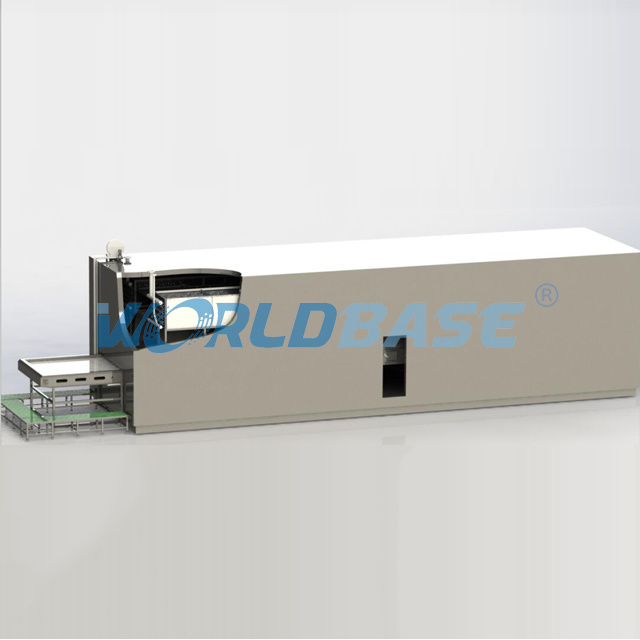
The physical design of a freezer, from its external contours to internal compartmentalization, quietly dictates how it fits into daily life. A tall, narrow upright model might slip neatly between counters in a compact kitchen, while a deep chest freezer becomes a basement workhorse, sacrificing floor space for bulk storage. Rounded corners aren't just aesthetic—they soften the visual footprint and reduce bump hazards in tight hallways. Shelving and drawer arrangements further shape behavior: adjustable glass shelves with raised lips contain spills, and sliding baskets allow frozen berries to co-exist with oversized turkeys without the dreaded avalanche. Smart shoppers often trace their own patterns—how frequently they reach for ice packs versus stockpiling pizzas—before committing to a layout.
Beneath the surface, material choices and insulation technology directly impact energy appetite and longevity. Stainless steel skins resist dents and fingerprints better than plastic laminates, but they also transfer outdoor warmth more readily, nudging compressors to work harder in sun-drenched kitchens. The real unsung hero is the insulation foam tucked within walls and lids—thicker, high-density polyurethane keeps cold in more effectively than budget alternatives, shrinking energy bills over a decade. Some manufacturers now blend vacuum-insulated panels into select zones, slicing thickness without sacrificing performance, which is a boon for those seeking slim cabinets without thermal leakage. Even the door seal material matters: magnetic thermoplastic gaskets with dual pleats outlast simple rubber strips, preserving the microclimate inside through years of tugging.
Internal composition further separates forgettable freezers from those that adapt to evolving diets. Models with multi-airflow systems wrap cold air evenly around stacked containers, averting freezer burn on the top shelf while keeping ice cream scoopable below. For the bulk-buying household, wire baskets that cantilever out and lock into place simplify rotating older stock to the front. Materials like brushed aluminum liner backplates conduct cold faster than white plastic, quickening temperature recovery after a prolonged door opening. And then there’s the quiet detail of drawer glides—metal ball-bearing rails with soft-close mechanisms beat plastic tracks in long-term smoothness, sparing early-morning distractions. The thoughtful buyer peers past the label, recognizing that shape and substance choreograph the invisible daily dance of preservation.
The Real Cost of Cooling: Energy Bills vs. Upfront Price
When shopping for an air conditioner, it's easy to fixate on the sticker price. You see two units with similar cooling capacity but vastly different price tags, and the cheaper one feels like a win. But that initial savings often masks a more expensive truth: the electricity required to run a less efficient system can quietly eat up your budget over time. In many cases, the upfront price difference is dwarfed by the energy bills within the first couple of years.
Take two typical 12,000 BTU units. One might cost $400 and the other $700, with the pricier model boasting a higher efficiency rating. The cheaper unit could consume 20-30% more power for the same cooling output. Depending on local electricity rates and usage patterns, that difference can translate into hundreds of dollars in extra spending every summer. Over a decade, the total cost picture flips completely—the "cheap" option ends up costing far more.
Smart buyers treat cooling systems not as a one-time purchase but as a long-term investment. The real math is simple: purchase price plus predicted energy costs over the appliance's lifespan. When you weigh these factors together, the higher upfront ticket often becomes the obvious bargain. It's not about spending more, it's about keeping more of your money where it truly counts—outside of your utility bill.
Making Space Work: Layout Hacks for Tight Facilities
When square footage is at a premium, the first step isn't to cram more in—it's to rethink how every inch behaves. Floor plans start to breathe when you ditch the idea that a room must serve a single purpose. Sliding doors, for instance, erase the dead zone required by a traditional swing, instantly reclaiming enough space for a slim storage rack or a much-needed work cart. Overhead, we often overlook the air rights just above head height: lightweight bins suspended from the ceiling or high-mounted shelves turn empty vertical corridors into active inventory zones, all without narrowing walkways.
The real trick is making these adjustments feel intentional, not desperate. Instead of obvious retrofits, blend storage into structures that already exist. A false column can hide PPE dispensers or cleaning supplies; a thickened wall between bays becomes a flush cabinet for tools. Choosing mobile workstations over fixed benches means the same floor can shift from assembly to packaging within a lunch break, with durable locking casters keeping things steady once they're in place. It's less about finding new space and more about stopping the old space from disappearing into wasted transitions.
And when the layout finally sings, you'll notice the change in flow, not just in measurements. Staff stop bumping into each other; tools no longer go missing because there's a designated, obvious home for each. Even air compressors or bulk materials can tuck under staircases or into corners that once collected dust. These hacks only stick if you map the daily rhythm of the facility first: watching where people actually pause, reach, and pivot tells you more than any blueprint. That five-second delay nobody talks about? That's what's costing you, not the missing closet.
Built to Last: What to Look for in Freezer Construction
A freezer's longevity often comes down to the details you can't see at first glance. The thickness of the steel walls matter more than most people realize—thinner panels dent easily and struggle to maintain consistent temperatures over time. Look for units with at least 22-gauge stainless steel or commercial-grade aluminum exteriors that resist corrosion and physical wear. Internally, the liner should feel substantial, typically made of powder-coated steel or high-impact plastic that won't crack under repeated freezing and thawing cycles.
The way the door attaches and seals is another telltale sign of quality. Heavy-duty hinges that operate smoothly without sagging after years of use indicate a well-built freezer. The gasket—the rubber seal around the door—needs to be thick, pliable, and fully magnetic to lock in cold air. A poor seal leads to frost build-up, compressor strain, and spoiled food. Also, check how the door feels when closing; a solid, dampened motion suggests better insulation and structural integrity compared to a flimsy, hollow-sounding closure.
Don't overlook the insulation core hidden inside the walls and door. High-density polyurethane foam with a thickness of at least two inches provides superior thermal resistance and helps the unit recover temperature quickly after opening. Some freezers skimp here, using less foam or lower-density materials that degrade over time, causing the compressor to cycle more often and burn out prematurely. Pay attention to the warranty length on sealed components—manufacturers confident in their construction usually back it up with a longer guarantee.
Future-Proofing Your Investment with Modular Designs
Technology evolves at a pace that can render rigid systems obsolete within a few short years. Modular design turns this challenge into an advantage—instead of committing to a single monolithic structure, you assemble a core framework that can swap out components as needs shift. This approach means that upgrading doesn’t require a complete overhaul; you simply replace or enhance specific modules. For businesses, that translates to lower long-term costs and a system that grows alongside your ambitions, not against them.
The real strength of a modular approach lies in its adaptability to unforeseen trends. Whether it’s integrating a new sensor type, expanding data capacity, or adopting a different communication protocol, the architecture stays relevant without major disruption. You’re no longer tying your budget to a fixed life cycle—each module can evolve independently, letting you respond to market shifts immediately. It’s a mindset that prioritizes sustained performance over short-term convenience, ensuring your investment remains productive even as the landscape changes.
FAQ
Start by looking at your product characteristics – things like size, shape, moisture content, and how delicate it is. Then match that with the freezer's airflow design, belt type, and temperature range. Capacity and dwell time matter too, but they mean nothing if the freezer can't handle your product without damaging it or freezing unevenly.
It boils down to your operating costs, floor space, and product sensitivity. Cryogenic freezers use liquid nitrogen or CO2, reach ultra-low temperatures fast, and are good for high-value or sticky products, but gas prices can sting. Mechanical systems cost more upfront but offer lower long-term energy costs, especially if you run 24/7. If your facility already has ammonia or Freon loops, mechanical might slot right in.
Stainless steel mesh belts handle high loads and easy cleaning, great for meat patties or seafood. Plastic modular belts work better for sticky or fragile items since they provide gentle transfer and less product adhesion. If your line needs high sanitation, solid plastic or wire mesh with open areas for airflow are common. Always ask about cleanability for your specific product.
It's critical. Impingement airflow hits the product directly for rapid crust freezing, which locks in moisture. Crossflow or vertical airflow suits products that are already frozen or need gentler treatment. If you pick the wrong airflow pattern, you'll get poor heat transfer, longer freezing times, and possible dehydration. Some freezers have adjustable fans to fine-tune it per recipe.
Absolutely. Reputable manufacturers offer test labs where you can run samples and see results – temperature curves, yield, appearance, and texture. Bring a few batches under different conditions. This step often reveals adjustments in belt speed, temperature setpoints, or loading density that you'd never guess on paper.
The biggest one is underestimating future capacity needs while overestimating current line speed. People also forget to account for product changeovers, cleaning downtime, or seasonal peaks. Another trap is ignoring the heat load from packaging or trays. Get an experienced engineer to run a detailed heat balance rather than relying on rule-of-thumb tons per hour.
Conclusion
Choosing the right tunnel freezer starts with a clear-eyed look at your actual throughput, not just peak numbers vendors flash in brochures. Once you’ve mapped real daily volumes and seasonal swings, the conversation shifts to what you freeze—dense meat patties behave differently than airy pastries, so coil spacing, airflow pattern, and belt design all pivot on product geometry and moisture content. Energy spend swallows far more budget over time than the purchase price, which is why smart buyers run their own cost models: compare the rated kilowatts and refrigerant charge against expected runtime, then factor in rising electricity rates to see if a slightly pricier machine with variable-speed fans and better insulation pays for itself in under three years.
Fitting a freezer into an already cramped floor is an art—think vertical air curtains and redesigned infeed tables that let you snake through columns instead of knocking down walls. Construction quality separates a decade-long workhorse from a rust-prone headache; look for fully-welded structural frames, sloped floors that prevent standing water, and access panels that don’t require a toolbox for daily washdowns. Finally, insist on a platform that can grow with you: modular tunnels let you snap in extra zones later, swap out fan assemblies for a new product line, or even retool at half the cost of a brand-new installation, guarding your capital against the next big pivot in food trends.
Contact Us
Contact Person: Mr Yang
Email: [email protected]
Tel/WhatsApp: +8613809083091
Website: https://en.worldbase.cn