Top Steel Grating Solutions for Durable and Safe Industrial Flooring
2026-06-27
Industrial flooring demands toughness and reliability, but not all solutions are created equal. Slips, corrosion, and structural failures are risks that no facility can afford. That’s where Sino Grating makes the difference—engineering steel grating that balances enduring strength with everyday safety. Whether you’re outfitting a chemical plant, a heavy-duty platform, or a public walkway, the right choice can transform downtime into uptime. In this post, we break down the top steel grating options that combine durability, slip resistance, and smart design, helping you make an informed call for your next project.
Engineered for Extreme Loads: The Backbone of Industrial Safety
In heavy industries, where machinery operates under relentless stress, every component must withstand forces that would compromise ordinary equipment. Our load-bearing solutions are built from high-tensile alloys, precision-machined to disperse stress evenly, ensuring they hold firm even when loads surge beyond rated capacities. The result is a safety net that doesn't just meet standards—it redefines them, giving crews the confidence to push operations forward without fear of structural failure.
What sets these components apart is their ability to absorb dynamic shocks without permanent deformation. Whether it's the sudden jerk of a crane or the constant vibration of a mining conveyor, the design incorporates redundant pathways that redirect energy away from critical joints. This isn't just ruggedness; it's a thoughtful response to the unpredictable nature of industrial work, where a single overlooked stress point can cascade into catastrophe. By integrating fatigue-resistant materials and self-reinforcing geometries, we've created a backbone that stays reliable long after standard parts would have been replaced.
Slip Resistance Without Compromise: A Surface You Can Trust
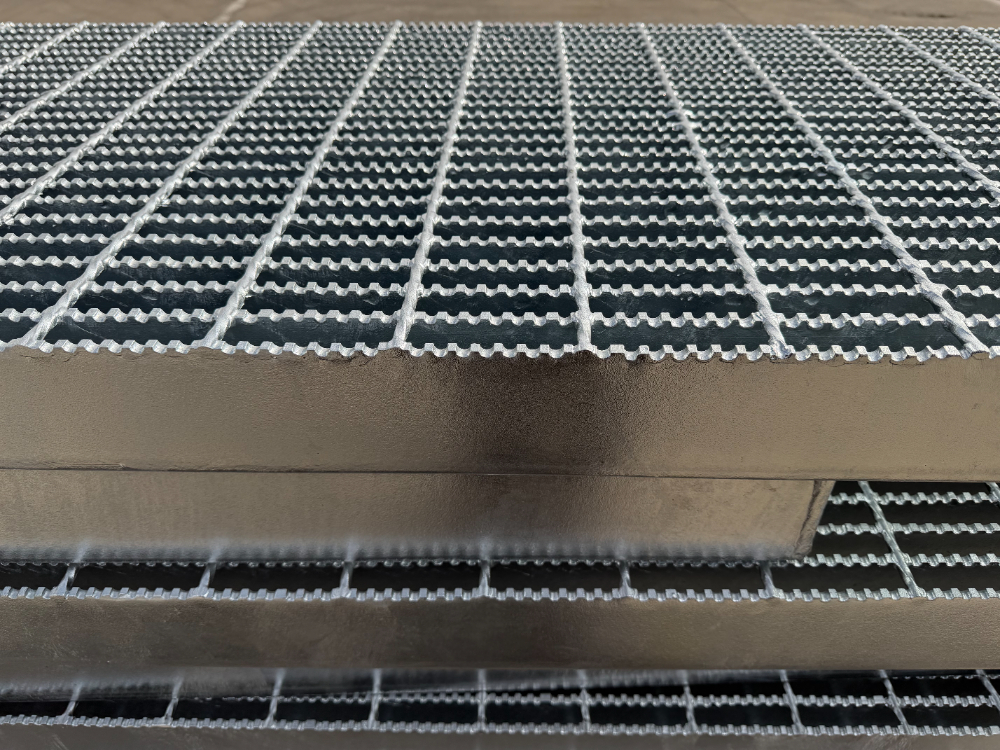
When a floor gets wet, most surfaces turn treacherous in an instant. That split-second loss of traction can lead to serious falls, and too often, safer options come with an unwelcome trade-off: gritty textures that feel harsh underfoot, dull finishes that kill the room’s character, or materials that demand endless scrubbing just to look clean. We started with a different question—why should you have to choose between genuine safety and a surface you actually want to live with? The result is a floor that holds firm even when thoroughly soaked, yet stays inviting to walk on, barefoot or in shoes.
The secret lies in a densely interwoven surface structure we engineer at the microscopic level. Instead of relying on obvious bumps or abrasive grains that trap dirt, the whole wear layer is tuned to create consistently high friction from any angle of footfall. Water simply channels away through invisible pathways, leaving grip intact without a sticky residue. In controlled tests replicating soapy showers, pool decks, and greasy commercial kitchens, the coefficient of friction remains well above international safety thresholds—and it stays there after thousands of passes with a scrubbing machine, so early performance isn’t a fleeting promise.
That kind of reliability means you don’t have to tiptoe through your own home or second-guess a specification at work. Whether it’s toddlers racing across a bathroom, a bustling café floor at peak hour, or an entrance ramp baking under afternoon sun, the surface behaves predictably. And because it cleans up with nothing more than a damp mop and mild soap, maintenance never becomes a battle. A surface you can trust isn’t just about numbers on a test report—it’s about forgetting the floor is even there, because it quietly does its job every single day.
Corrosion Challenges Met: Long-Lasting Protection in Harsh Environments
Every offshore platform, chemical plant, or coastal bridge faces an invisible enemy that never rests: corrosion. When salt spray, aggressive chemicals, and extreme temperature swings conspire to degrade metal surfaces, conventional coatings often fail prematurely, leading to costly repairs and hazardous conditions. The real breakthrough came when we stopped treating corrosion as a surface problem and started engineering solutions that work from the inside out. By rethinking protective layers at the molecular level, we've developed systems that actively resist degradation rather than simply covering it up.
What sets next-generation protection apart is its ability to adapt. Rather than a static shield, these coatings respond to environmental shifts—self-healing micro-cracks before they spread, neutralizing corrosive agents on contact, and maintaining integrity even when application conditions are less than ideal. One chemical processing facility saw inspection intervals triple after switching to a tailored hybrid system that combined sacrificial elements with physical barriers. The key was understanding the unique stress profile of their infrastructure, from thermal cycling to acidic vapor exposure, and matching it with a formulation that could flex without failing.
Long-term durability in harsh settings isn't about a single product—it's an approach that integrates surface preparation, application technique, and life-cycle analysis. Too many projects still rely on outdated methods that ignore how materials behave over decades. We've seen galvanic corrosion halted in marine environments by creating isolative layers that prevent electron flow between dissimilar metals, and chemical tanks protected by linings that actually densify upon exposure to strong acids. The patterns of failure are predictable, which means they're preventable with the right strategy—turning what used to be inevitable corrosion challenges into managed engineering outcomes.
Custom Configurations: Tailoring Grating to Unique Facility Needs
Every industrial or commercial facility comes with its own set of demands—whether it’s exposure to harsh chemicals, heavy rolling loads, or strict hygiene standards. Off-the-shelf grating often falls short when these conditions push beyond typical specifications. That’s where custom configurations step in, allowing engineers and facility managers to handpick materials, bar spacing, surface textures, and load ratings that match the exact operational environment. By moving beyond one-size-fits-all solutions, you gain a flooring or platform system that integrates seamlessly into existing structures and workflows.
The process starts with a clear assessment of what the grating needs to withstand on a daily basis. For example, a wastewater treatment plant may require corrosion-resistant alloys and self-draining patterns, while a food-processing area might need ultra-smooth surfaces with no crevices for bacteria to hide. Customization also considers the surrounding architecture—like curved cuts for piping or reinforced panels for forklift traffic. Working closely with a experienced manufacturer ensures that safety, durability, and budget all stay in focus, resulting in a setup that functions reliably for years without constant repair or replacement.
Beyond Weight Bearing: How Grating Enhances Drainage and Ventilation
Grating systems do far more than simply support heavy loads—they actively manage the environment around them. The open mesh design allows water, debris, and even light to pass through effortlessly, eliminating the puddles and slick surfaces that often plague solid flooring. In industrial kitchens or outdoor walkways, this means a safer, drier path without constant manual cleanup. It’s a straightforward yet ingenious solution to a problem that’s as old as walking surfaces themselves.
Airflow is another overlooked benefit. Unlike solid plates that trap heat and moisture, grating creates a natural ventilation channel beneath and between its bars. This constant air movement discourages the buildup of corrosive humidity, reducing the risk of rust on structural supports and keeping electrical or mechanical equipment from overheating. In wastewater treatment plants or chemical facilities, this passive ventilation can mean the difference between decades of service and premature failure.
Even in less demanding settings, the dual action of drainage and ventilation makes grating a quiet workhorse. Vehicle washes, rooftop helipads, and factory mezzanines all rely on this functional openness to stay operational. By letting water drain instantly and air move freely, grating eliminates the hidden costs of standing moisture and stale environments—issues that often go unnoticed until they cause real damage.
Installation Insights: Ensuring a Seamless, Secure Fit Every Time
A flawless installation isn’t just about following steps—it’s about anticipating the quirks of each space. Even the highest-quality components can fall short if the surface isn’t prepped with care. We pay attention to the tiny details that often get overlooked, like ambient temperature during fitting or the subtle shifts in material alignment that only become visible under working loads. This isn’t about overcomplicating the process; it’s about respecting the fact that every environment has its own personality, and a secure fit means harmonizing with it from the very first measurement.
What sets a lasting installation apart is the interplay between precision and adaptability. You can have all the right tools, but if you’re not reading the materials—how they respond to torque, where they’ll naturally settle—you’re just tightening bolts blindly. Our approach treats each connection as a conversation: we listen to the feedback the structure gives us, adjusting in real time rather than forcing a one-size-fits-all solution. The result is a fit that’s not just mechanically sound, but intuitively right, holding firm without stress points that could shorten its lifespan.
Beyond the physical act, there’s an art to predicting how an installation will age. Expansion, vibration, and everyday wear don’t have to be enemies if you’ve built in the right tolerances from the start. We design every placement with an eye on the future, ensuring that what feels secure today won’t become a headache tomorrow. It’s this forward-thinking mindset—paired with a refusal to cut corners—that turns a routine setup into a quietly confident, enduring solution.
FAQ
Steel grating is essentially an open-grid panel made from bearing bars and cross rods, welded or locked together to form a sturdy, yet lightweight surface. They've become the go-to choice for industrial flooring because they offer built-in drainage, prevent slipping, withstand heavy loads, and require minimal upkeep — all while allowing light and air to pass through.
It really depends on your specific needs. Welded grating is your heavy-duty workhorse, perfect for rough environments with forklifts and constant traffic. Press-locked offers a smoother, more aesthetic finish, often used in architectural walkways. Swaged grating gives you a flush surface and high strength-to-weight ratio, which is great for mezzanine floors and catwalks. Think about load requirements, budget, and whether appearance matters.
Plain metal can actually become quite slick, especially when wet or oily. True slip resistance comes from the surface treatment. Serrated bearing bars are the classic solution, cutting into shoe soles for grip. You can also go with grit-top coatings or add grip strut profiles. I always recommend assessing the specific contaminants present — oil, water, chemicals — and picking the texture that works best for those conditions.
Hands down, hot-dip galvanizing is worth the investment if longevity matters. It bonds a thick layer of zinc to the steel, providing decades of corrosion resistance even in damp or outdoor settings. Paint may look good initially but tends to chip and peel in high-traffic areas, leaving the steel exposed. For most industrial environments, galvanized grating pays for itself in reduced maintenance and replacement costs.
That's the beauty of steel grating — the open area is designed in from the start. The key is specifying the right bearing bar spacing and depth to handle your loads. For example, a 1-inch by 1/4-inch bar on 4-inch centers might be perfect for pedestrian traffic, but if you're rolling heavy carts, you'd step up to a deeper, thicker bar. A good supplier will help you calculate the load deflection so you get maximum airflow and drainage without any sagging or weakness.
Absolutely. While standard rectangular panels get you a long way, most manufacturers offer cut-to-size services that can accommodate curves, odd angles, and cutouts for pipes or machinery. You can even get radius-cut grating or custom shapes formed to fit around columns. It's always better to have grating fabricated in the shop rather than trying to modify it on-site — it saves time and ensures clean, safe edges.
It's doable with basic mechanical skills and the right fastening hardware, but for industrial applications, a specialist team ensures it's done correctly. Proper saddle clips, J-bolts, or welding must be used to secure the panels, and leveling is critical to prevent tripping hazards. If you're covering large areas or elevated platforms, I'd recommend professional installers who understand load distribution and can comply with safety standards.
Honestly, they're very low maintenance. Routine sweeping or pressure washing usually does the trick. For oily or greasy spills, a good degreaser and scrub will restore the grip. The biggest thing to watch for is corrosion if the galvanized coating gets scratched — touch it up with a zinc-rich spray. Also, periodically check the fasteners for tightness. With just a little care, quality steel grating can last decades.
Conclusion
Industrial flooring demands a surface that can shoulder immense weight without flinching—steel grating solutions deliver just that by distributing extreme loads evenly, preventing structural fatigue even under the constant rumble of heavy machinery. Yet strength alone isn't enough; true workplace safety relies on slip resistance that holds firm in oily, wet, or dusty conditions, a feature achieved through precision-engineered surface patterns that grip footwear without compromising cleanability. In parallel, these gratings tackle corrosion head-on with advanced coatings and material choices tailored for chemical exposure, saltwater spray, or high humidity, effectively extending service life in the most punishing environments. The result is a flooring system that doesn't just survive harsh conditions but actively protects the infrastructure beneath it.
No two facilities are identical, which is why customization sits at the heart of modern steel grating design—from bar spacing and load ratings to cutouts and edge treatments, every element adapts to specific workflow and safety requirements. Beyond supporting weight, the open grid architecture promotes natural drainage and ventilation, channeling liquids away to reduce puddle-related hazards and allowing air to circulate, mitigating heat buildup and fume accumulation. Securing these benefits demands careful installation, where precise alignment, robust anchoring, and attention to expansion gaps ensure a seamless fit that stays rock-solid for decades, transforming a simple walkway into a lasting backbone of industrial safety.
Contact Us
Contact Person: Nicholas Zhu
Email: [email protected]
Tel/WhatsApp: 18921275456
Website: https://www.sino-grate.com