
Top Monochrome LCD Display: Exploring Simplicity and Efficiency in Modern Technology
2026-03-24
In an era saturated with dazzling color screens, the enduring appeal of monochrome LCD displays might seem counterintuitive. Yet, beyond their minimalist aesthetic lies a world of remarkable efficiency, reliability, and clarity that continues to power critical applications across industries. This blog delves into the fascinating simplicity of these displays, exploring how their straightforward design translates into robust performance. As a leader in this niche, Jingda-Display has harnessed this technology to create solutions that excel in demanding environments where precision matters most. Join us as we uncover why monochrome displays remain a smart choice in our increasingly complex technological landscape, and discover how they drive innovation in unexpected ways.
Understanding Monochrome LCDs: Core Principles and Everyday Applications
Monochrome LCDs operate on a basic yet fascinating principle: they manipulate light using liquid crystals, which can be aligned or twisted by applying electric voltages. Unlike color displays that rely on complex subpixel structures, these screens typically use a single layer of crystals to control the passage of light from a backlight, creating sharp, high-contrast images in shades of gray or other single-color tones. This simplicity not only reduces manufacturing costs but also enhances visibility in low-light conditions, making them ideal for applications where clarity and durability are paramount.
In everyday life, monochrome LCDs are ubiquitous yet often overlooked, seamlessly integrated into devices that prioritize functionality over visual flair. You'll find them in digital watches, where their low power consumption ensures long battery life, or in calculators and medical instruments, where their reliability under varying temperatures is crucial. These displays excel in industrial settings too, such as control panels and handheld meters, where their resistance to glare and ability to display static information clearly outperform more advanced but power-hungry alternatives.
Beyond practical uses, monochrome LCDs embody a minimalist aesthetic that appeals to designers seeking timeless interfaces. Their straightforward operation and robust construction mean they often outlast the devices they're built into, contributing to sustainability by reducing electronic waste. As technology evolves, these screens continue to find new niches, proving that sometimes, the simplest solutions offer the most enduring value in our fast-paced digital world.
Designing for Efficiency: How Simple Displays Cut Power and Cost
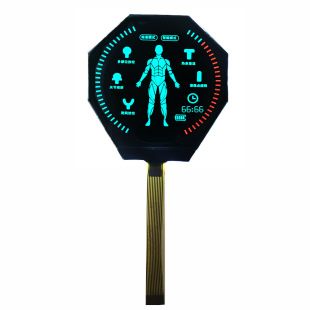
In an era where energy efficiency and cost reduction are paramount, the shift toward simpler display technologies represents a significant breakthrough. By stripping away extraneous features and focusing on core functionality, these displays not only consume less power—often by up to 50% compared to high-resolution counterparts—but also lower manufacturing expenses. This approach prioritizes essential information delivery, making it ideal for applications where battery life and budget constraints are critical.
What sets these displays apart is their innovative use of materials and design principles. For example, monochrome or segmented LCDs eliminate the need for complex backlighting and color filters, drastically reducing energy demands. Coupled with optimized driver circuits and minimal refresh rates, they achieve remarkable power savings without sacrificing readability. This lean design translates directly into lower component costs, enabling broader adoption in industries like healthcare, automotive, and smart home devices.
Beyond the technical advantages, simple displays foster user-friendly experiences by reducing visual clutter. In contexts where quick, reliable data access matters more than flashy graphics—such as in industrial controls or wearable tech—their straightforward interfaces enhance usability while keeping operational costs in check. This synergy of efficiency and practicality not only meets current sustainability goals but also paves the way for more accessible, long-lasting electronic solutions.
Case Studies: Monochrome Screens in Medical and Industrial Tech
In medical imaging, monochrome screens have long been the cornerstone for procedures like X-rays and MRI scans. Their simplicity allows for heightened contrast and clarity, crucial when detecting subtle anomalies in tissue or bone structures. Unlike color displays that can introduce distractions or misinterpretations, monochrome interfaces help radiologists focus intently on grayscale variations, reducing diagnostic errors and improving patient outcomes. This reliability makes them indispensable in emergency rooms and surgical suites where split-second decisions depend on precise visual data.
Monochrome screens also shine in industrial automation, where environments are often harsh and demanding. Factories and control rooms benefit from their durability and low power consumption, as they can withstand extreme temperatures, vibrations, and dust without compromising performance. Operators rely on these screens for real-time monitoring of machinery and processes, with the lack of color eliminating eye strain during long shifts and ensuring data is presented in a straightforward, actionable format. This efficiency translates to fewer downtime incidents and enhanced operational safety across sectors like manufacturing and energy.
A lesser-known advantage of monochrome screens lies in their cost-effectiveness and legacy support. Many older medical and industrial systems were designed around monochrome technology, and upgrading to color can be prohibitively expensive or incompatible with existing software. By continuing to integrate these screens, companies and hospitals maintain seamless workflows without the need for costly overhauls, while still achieving the reliability needed for critical applications. This balance of innovation and tradition underscores why monochrome displays remain a strategic choice in specialized tech fields.
User Experience in Simplicity: Why Clarity Often Beats Color
In the world of design, it's easy to get caught up in the allure of vibrant colors that grab attention, but true user experience often hinges on something more fundamental: clarity. When interfaces prioritize clear layouts and intuitive navigation over flashy hues, users can accomplish tasks effortlessly, reducing frustration and boosting satisfaction. For instance, a minimalist app with well-defined buttons and readable text often outperforms a colorful competitor that leaves users guessing about next steps.
Color can certainly enhance aesthetics and evoke emotions, but it shouldn't come at the expense of usability. In many cases, over-reliance on color can lead to confusion, especially for those with visual impairments or when viewing in poor lighting. By focusing on clarity through consistent typography, ample white space, and logical grouping of elements, designers ensure that the experience remains accessible and effective for everyone, regardless of their device or environment.
Ultimately, simplicity rooted in clarity fosters trust and loyalty among users. When they encounter a design that feels straightforward and reliable, they're more likely to return and recommend it. This principle applies across various platforms, from websites to mobile apps, where prioritizing straightforwardness over ornamentation can lead to higher engagement and better outcomes, proving that in the race for user attention, understanding often trumps decoration.
Future Trends: Monochrome Innovations in Smart Devices
The allure of monochrome isn't just about stripping color away; it's about elevating simplicity into a sophisticated design language. In smart devices, this trend is shifting from minimalist aesthetics to functional innovation. Think of e-ink displays on smartwatches that mimic paper, using grayscale to reduce eye strain and extend battery life dramatically. Or consider monochrome interfaces in smart home hubs, where a limited palette sharpens focus on essential controls, cutting through the visual clutter of typical colorful apps. This isn't a regression to black-and-white TVs but a deliberate move toward clarity and efficiency, where every shade serves a purpose beyond mere decoration.
Beyond screens, monochrome is influencing materials and sensors in unexpected ways. Imagine smart fabrics woven with single-hue threads that change texture or opacity based on data, offering tactile feedback without relying on vibrant LEDs. In audio devices, monochrome design principles are guiding the development of ultra-simple, yet highly adaptive, sound systems that prioritize acoustic purity over flashy visuals. These innovations challenge the assumption that smart tech must dazzle with color, proving that restrained palettes can enhance usability and create a more seamless integration into daily life, where devices fade into the background until needed.
Looking ahead, monochrome trends are set to redefine personalization in smart devices. Instead of customizable RGB lights, future gadgets might offer dynamic grayscale patterns that shift subtly with context—like a smart mirror adjusting its reflection tone based on the time of day or a tablet's interface adopting softer contrasts for nighttime use. This approach taps into a growing desire for tech that feels more organic and less intrusive, blending digital experiences with the natural world. By focusing on monochrome's versatility, developers can craft devices that aren't just tools but thoughtful companions, adapting quietly to individual rhythms without shouting for attention.
Choosing the Right Display: Balancing Features and Functionality
Selecting the perfect display often feels like walking a tightrope between flashy specs and practical use. While it's tempting to go for the highest resolution or the slimmest bezel, it's crucial to step back and ask: how will this screen truly enhance my daily tasks? Whether you're a creative professional needing color accuracy or a gamer seeking responsive refresh rates, prioritizing what matters most in your workflow can prevent overspending on features that might just sit idle.
Beyond the technical jargon, display choice deeply impacts user comfort and productivity. Consider ergonomics like adjustable stands or anti-glare coatings—small touches that reduce eye strain during long hours. A high-end monitor with poor adjustability might offer brilliant visuals but lead to discomfort, whereas a more modest model with thoughtful design could boost efficiency and well-being, proving that functionality often triumphs over raw specifications.
Moreover, the balance extends to connectivity and compatibility, ensuring your display integrates seamlessly with other devices. It's not just about the panel itself; ports, software support, and energy efficiency play key roles in creating a cohesive setup. By weighing these practical aspects against headline features, you can craft a display solution that's not only impressive on paper but also reliably supports your goals without unnecessary compromises.
FAQ
A monochrome LCD display is a screen that shows only one color, typically black and white or shades of gray, and differs by being simpler, more energy-efficient, and cost-effective compared to color displays.
They are considered efficient because they consume less power, have higher readability in direct sunlight, and are often more durable, making them ideal for low-power and industrial applications.
Common applications include industrial control panels, digital watches, medical devices, and embedded systems where low energy use and clear visibility are crucial.
They contribute to simplicity by reducing visual clutter, focusing on essential information, and streamlining user interfaces, which can enhance usability and reduce cognitive load.
Recent advancements include improved clarity, lower power consumption, and the integration of touch capabilities, making them more versatile in various modern tech contexts.
Yes, disadvantages include limited color options, which can be a drawback for applications requiring visual differentiation, and potentially lower resolution compared to some color displays.
Conclusion
Monochrome LCDs represent a blend of simplicity and efficiency that continues to prove invaluable in modern technology. By operating with a single color, these displays eliminate unnecessary complexity, relying on core principles that make them highly reliable for everyday applications. Their straightforward design not only enhances durability but also reduces production costs, making them a cost-effective solution across various sectors. From industrial equipment to basic consumer electronics, monochrome screens deliver clear information without distracting elements, ensuring that users can quickly interpret data. This foundational approach allows for widespread adoption in settings where color is superfluous, highlighting how a minimalist design can achieve maximum functionality and user satisfaction in practical, real-world scenarios.
Looking ahead, monochrome LCDs are poised for innovation in smart devices and beyond, with trends focusing on even greater energy efficiency and integration into specialized fields like medical and industrial tech. Case studies reveal that in environments such as hospitals or factories, where clarity and readability are paramount, these displays often outperform their colorful counterparts by minimizing distractions and cutting power consumption. By balancing features with functionality, designers can choose the right display to meet specific needs, emphasizing that simplicity doesn't equate to obsolescence. Instead, it offers a streamlined user experience where clarity frequently trumps color, driving advancements that prioritize efficiency without compromising on performance. This ongoing evolution underscores their enduring relevance in a tech landscape increasingly valuing practicality and resource conservation.
Contact Us
Contact Person: Vincent
Email: [email protected]
Tel/WhatsApp: 86 135 5485 1379
Website: https://www.jda-display.com/