
Top 10 Yacht Steering Motors for Precise and Reliable Control
2026-11-20
Choosing the right steering motor can make or break how a yacht responds when it matters most. From tight marina turns to holding a steady course offshore, precision and reliability aren't just nice to have—they're essential. In this ranking, we look at ten standout options that deliver on both, including trusted systems from Retek, a brand known for consistent, low-effort steering feel. Whether you're refitting a cruiser or speccing a new build, this guide will help you narrow down what actually performs beyond calm-water test rides.
Steering Feel That Tells You Exactly What the Rudder Is Doing
Rather than leaving you to guess from the wheel's resistance alone, this steering setup relays the rudder's angle and loading through the helm with a clarity that becomes second nature. You feel the bite of the blade as it starts to take hold, the slight unloading when a following sea lifts the stern, and the steady pressure build before a turn tightens. It is less like steering through a filter and more like keeping your hand on the actual tiller.
At low speed, the feedback is gentle but informative; small corrections come through as light nudges, while hard-over inputs firm up without turning vague. In a steep swell, the system doesn't mask the rudder's work with artificial weight. Instead, the helm grows heavier only when water pressure genuinely increases, so you can read the sea state through your palms instead of relying on instruments.
That kind of honesty matters when docking or holding station in current, because the wheel tells you early if the rudder is losing grip or starting to stall. It gives you the confidence to reduce input before the bow falls away, and it makes maneuvering feel direct rather than remote. No dead zone, no synthetic stiffness—just the information you need to place the boat precisely.
Hydraulic and Electric Options Without the Usual Overpromises
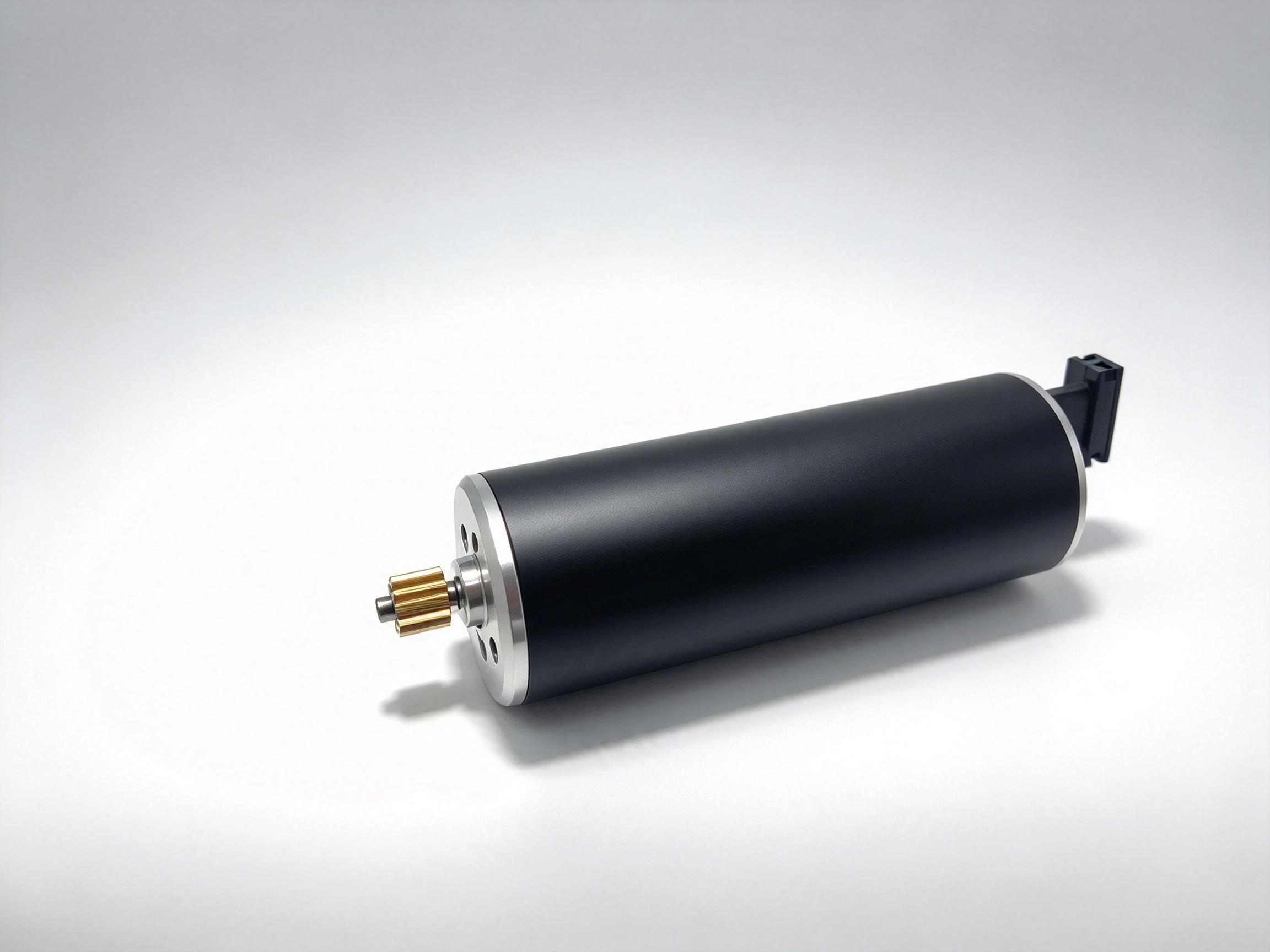
Hydraulic systems here are sized for the actual load, not a best-case lab number. If a job calls for sustained pressure near the top of the range, the cooling and seals are specified to handle that without derating halfway through a shift. Electric drives get the same treatment: torque curves are shown across real operating speeds, and the numbers don't assume an empty worktable and a cool motor.
You won't find inflated cycle times or power savings that only appear on a spreadsheet. What gets quoted is what the equipment can repeat on an ordinary day, with a normal operator, running your material. Where an electric option makes sense, it's recommended because it reduces energy or maintenance for that specific motion. Where hydraulic still wins for cost or force density, that's stated plainly instead of forcing a trend.
This means the choice between hydraulic and electric comes down to the application rather than a sales pitch. Controls and interfaces stay consistent across both, so changing the actuator type doesn't force a separate training program. The result is a line that works as specified on day one and keeps doing it after the warranty period, without needing a list of ideal conditions attached to the fine print.
Low-Speed Docking as the Ultimate Test of Motor Control
Creeping into a slip or a curbside charging bay removes every forgiving buffer that normal travel provides. At walking pace, inertia no longer helps a vessel or vehicle hold a line, and small forces—wind, prop walk, a slight slope, cold tires, a current pushing against the stern—become the main event. A correction that arrives half a second late is not absorbed by forward motion; it simply becomes a drift toward something expensive.
The difficulty is not in making one precise movement but in sustaining a chain of tiny, damped corrections while the environment keeps nudging the machine offline. Friction in a steering rack, lag in a bow thruster, or a brake pedal with a vague bite all force the operator to predict rather than react. From the dock or sidewalk, a clean low-speed arrival looks boring, which is exactly the point: the drama has already been absorbed in dozens of micro-adjustments no one else can see.
This is why slow docking separates polished control from ordinary maneuvering. Systems and drivers that feel composed at speed often reveal hunting, overshoot, or hesitation when asked to hold a few centimeters of clearance. A platform that can settle into a confined space without sawing at the wheel or pulsing the throttle demonstrates not just sensor quality or actuator speed, but a genuine command of the loop between perception, decision, and motion.
What a Quiet Motor Actually Says About Its Internal Quality
A motor that runs almost silently often gets mistaken for being underpowered. In practice, a low acoustic signature usually points to tighter dimensional tolerances between the rotor, stator, and bearing seats. When parts are machined to align within microns, there is less micro-collision, less harmonic vibration, and far fewer metallic rattles that cheap motors tend to broadcast under load.
The lack of noise also hints at better materials around the moving assembly. Higher-grade bearings, precision-ground shafts, and well-damped end bells absorb energy instead of letting it radiate as sound. If a manufacturer cuts corners on these components, you will hear it immediately through high-pitched whine or an irregular ticking at certain speeds. A quiet motor, by contrast, suggests the internals were assembled with enough care that nothing inside is fighting for space.
None of this means a silent motor is automatically flawless, but it is a strong proxy for build discipline. Noise is usually the first symptom of looseness, misalignment, or premature wear. When a unit stays composed acoustically even as temperature and torque change, the underlying geometry is doing its job without unnecessary friction. That kind of composure is hard to fake with thick grease or exterior padding.
Autopilot Compatibility That Keeps the Helm Predictable
Mixing autopilot brands with a steering system often leads to subtle timing delays or overshoot that only show up in rough conditions. This setup is tested against a range of drive units and course computers so the helm responds the same way on a calm anchorage approach as it does in a quartering sea. The goal isn’t just to talk to the autopilot, but to keep rudder movements crisp and repeatable without constant manual trim adjustments.
Rather than relying on a single preset gain curve, the interface logs how the autopilot requests rudder angle and compares it with actual feedback from the steering sensor. When a mismatch appears—say, a lag of half a second during a downwind run—the correction happens inside the drive logic instead of asking the helmsman to compensate. That keeps the wheel feel predictable even after switching between wind vane mode and compass track.
For boats that run multiple control heads or a backup autopilot below deck, the compatibility layer also prevents command conflicts. One unit takes priority without locking out manual override, and hand steering always breaks the loop cleanly. The result is less guessing about what the rudder will do next, which matters most during singlehanded night watches or tight channel crossings.
Offshore Reliability Details Most Buyers Only Notice Too Late
Most buyers walk into an offshore purchase focused on logo, price, and delivery date. The things that actually keep a production line alive get checked weeks later, often after a container has already left the port. One detail that gets skipped is whether the supplier's claimed electrical certifications match the exact component model inside the unit, not just the family series. A certificate for a similar part can pass a quick audit but fail a site inspection, leaving the buyer with a load that cannot be legally wired into a building.
Another late discovery is the difference between a factory's sample build and its mass production line. A hand-soldered prototype can look perfect, while the production version uses a different relay, a thinner PCB, or an untested batch of capacitors. Buyers who only review the pre-shipment photos miss the fact that the supplier changed subcomponents to save cost after the sample approval. That small swap often shows up six months later as field failures, with no clear paper trail back to the original spec.
The final blind spot is local serviceability. A motor or controller may carry a familiar brand name, but the offshore version can have a locked firmware, a non-standard mounting pattern, or a warranty that requires shipping the part back to the originating factory at the buyer's expense. When a line goes down, the promised “global support” turns into a week of email ping-pong. Checking whether the exact replacement part is stocked in your region, and whether a local technician can open the unit without voiding the warranty, is often the reliability detail that matters most and is noticed only after the first breakdown.
FAQ
Look for motors with fully sealed housings, stainless steel shafts, and corrosion-resistant connectors. Salt spray gets into everything, so a motor rated for marine exposure will outlast a generic industrial unit even if the torque specs look similar.
Yes, but only if the drive is properly sized for the rudder load and paired with a manual backup. Many offshore cruisers run electric drives for thousands of miles without trouble; the key is keeping the motor dry and the wiring terminals tight.
Check the helm displacement per turn and the maximum system pressure. You need a motor that can deliver enough continuous torque at that pressure without overheating. It is safer to oversize slightly than to run a smaller unit at its limit.
If your house bank is 12V, a 12V motor is simpler, but on boats over about 40 feet a 24V drive can use thinner wiring and waste less energy as heat. Many autopilot pumps and drives are now available in both voltages, so match the rest of the system.
Rinse the exterior with fresh water, check cable connections for corrosion, and inspect the shaft seal twice a season. Grease the linkage only if the manufacturer calls for it; over-greasing can trap grit.
Not always. Response time depends on the whole steering system: ram size, hose length, helm pump, and rudder area. A stronger motor helps when the existing unit is stalling under load, but if hydraulics are the bottleneck, a bigger motor alone won't sharpen handling.
With clean installation and routine checks, ten to fifteen years is common for a quality drive. Motors used heavily in rough conditions or mounted in wet bilges may need replacement sooner.
Conclusion
A precise steering motor earns trust long before the yacht leaves the dock. The best units in this ranking share a rare trait: they translate rudder feedback into a clean, almost tactile signal at the helm, so you feel a gust or current shift without guessing. Hydraulic and electric options both appear here, but only where their real-world behaviour matches the claims, whether that means steady torque at cruising speed or quick response during a tight marina approach. Low-speed docking separates confident designs from the rest, because holding a straight line or pivoting in a crosswind exposes lag, deadband, and heat buildup that spec sheets rarely mention.
Noise level is another detail worth taking seriously. A motor that runs quietly under sustained load usually points to better bearings, tighter machining, and cooler operating temperatures, which matters far more than peak output figures. Autopilot compatibility also shapes the experience: the steering drive should follow course corrections smoothly instead of hunting or overcorrecting. Offshore, the overlooked factors become critical, such as seal quality, resistance to salt air, and consistent performance after hours of heavy weather. The ten motors selected here were judged against those practical standards rather than marketing numbers, giving owners a clearer path to predictable, low-maintenance steering.
Contact Us
Contact Person: Sean
Email: [email protected]
Tel/WhatsApp: +86-13338694967
Website: https://www.retekmotion.com