
Top 10 White Beeswax Manufacturers in China Worth Partnering With
2026-11-02
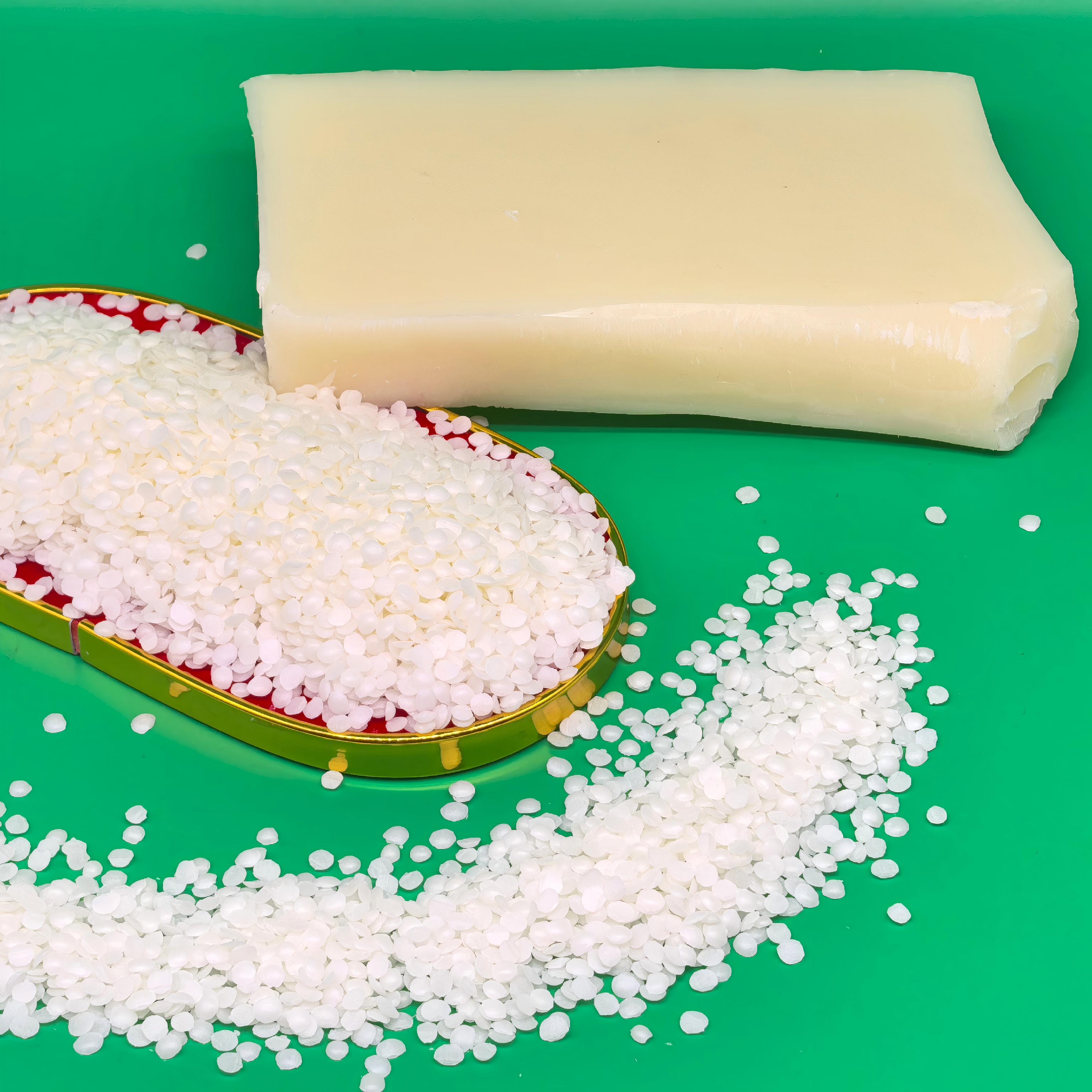
Finding a reliable white beeswax supplier in China shouldn't feel like a gamble. Yet ask any skincare formulator or candle maker, and they'll tell you stories of inconsistent color, off-putting odors, or shipments that miss spec. That's exactly why we put together this list of ten manufacturers worth partnering with—including XUSHI, a brand that has quietly earned a reputation for clean, consistent beeswax across multiple industries. Whether you need cosmetic-grade pellets, pharmaceutical blocks, or bulk pastilles, this guide will point you toward suppliers that actually deliver.
Why white beeswax from China now competes with the best
For years, European beeswax was the benchmark, prized for its pale ivory color and clean, subtle aroma. Chinese white beeswax, by contrast, often arrived with a yellowish tint, a faint smokiness, or uneven texture—traces of older refining methods and inconsistent raw material handling. Today that gap has narrowed sharply. A new generation of Chinese producers has invested in closed-loop filtration, low-temperature deodorization, and stricter sourcing from apiaries in high-altitude regions where bees forage on diverse wildflowers. The result is a wax that rivals the finest imports: near-white, virtually odorless, and stable across batches.
What has changed is not just machinery but mindset. Producers now track wax from hive to slab, separating light and dark combs at collection, washing crude wax in purified water, and avoiding the high-heat bleaching that once degraded structure and left a faint chemical note. Independent lab comparisons show Chinese white beeswax now matches or beats traditional sources on peroxide value, acid value, and hydrocarbon residues, while keeping a melting point and plasticity that candle makers and cosmetic formulators demand. In blind tests, experienced chandlers often cannot tell a premium Chinese batch from a European one.
This shift is reshaping supply chains. Buyers who once paid a steep premium for imported wax now blend or switch entirely to Chinese material, drawn by a combination of competitive pricing and reliable quality. The best Chinese white beeswax is no longer a compromise—it is a direct competitor, and in some grades, the preferred choice for manufacturers scaling up without sacrificing finish or burn performance.
Checking purity without stepping foot in a factory
A decade ago, verifying the purity of a chemical batch meant putting someone on a plane to a remote industrial park, waiting for entry permits, and watching a lab tech dilute samples by hand. That model is quietly collapsing. Now, a supplier can mount a Raman spectrometer on their production line, feed the raw spectral data through a tamper-evident API, and a buyer in Rotterdam sees a purity readout on their phone before the batch even leaves the reactor. The shift isn't about convenience—it's about catching adulteration in the window where it actually matters, between synthesis and shipment, not six weeks later when on-site audit reports finally arrive.
The technical backbone is less exotic than it sounds. Handheld near-infrared or XRF devices, already common in scrap metal yards and pharma incoming QC, can now stream encrypted spectra to cloud libraries that match against thousands of reference standards. A good system flags not just the mean purity value but the variance across multiple scan points, which is where low-tech adulterants tend to show up—a barrel of 99% IPA with a pocket of methanol at the bottom won't fool a scanning protocol that demands readings from three depths. The weak link isn't the hardware; it's the human tendency to trust a single number. Smart buyers now ask for raw spectra, not just the pass/fail result.
Regulators are lagging, as usual. Some still demand a wet-chemistry certificate from a GMP lab, ignoring that those certificates themselves can be photoshopped in minutes. The forward-thinking approach is to treat remote purity data as a continuous risk signal rather than a one-time gate. If a supplier's titanium dioxide suddenly shows a 2% silica spike for three consecutive shipments, that's not a failed batch—it's a change in ore source that warrants a conversation. No plane ticket needed. The factory gate is becoming a data point, not a place you have to stand in.
The production details that separate careful makers from the rest
Every stage of production leaves fingerprints, and careful makers treat each one as a chance to refine rather than rush. They notice when a seam is slightly off, when the material behaves unexpectedly, or when the ambient humidity shifts how a coating cures. These aren't chores to check off; they're moments to slow down and ask whether the outcome still matches the intent. The difference shows up in edges that feel deliberate, joints that sit flush without force, and surfaces that invite touch instead of just tolerating it.
It's tempting to assume that machinery or premium materials guarantee quality, but the real separator is attention at the margins. A careful maker will test a batch twice, not because the spec demands it but because the first result felt almost right. They'll reject a part that passes inspection yet fails their own standard for how it sits in the hand. Over time, these small decisions compound into a reputation that no marketing can replicate—people can feel when someone cared enough to fix what most would overlook.
What's less visible is the quiet discipline behind the choices: knowing when to stop retouching, when a tool needs replacement, when a shortcut would save minutes but cost character. Careful makers don't advertise these moments. They simply build them into the rhythm of the work, so that what finally leaves the bench carries a sense of completeness. That's what separates a product made with pride from one merely assembled on time.
Minimum orders, pricing quirks, and realistic lead times
Most suppliers won't take you seriously until you ask about their smallest workable batch. Some will happily run a hundred pieces; others need five thousand to even open a quote. The gap nearly always tracks back to how they schedule their machines and whether they stock raw materials or buy them per job. If you only need a few dozen units, look for shops that run mixed production lines or have leftover capacity they're willing to fill at a slight premium. Don't assume a low minimum automatically means a fair price per unit — often it's the opposite once setup time gets spread thin.
Pricing rarely behaves the way a simple unit-cost chart suggests. You'll see sudden jumps when you cross a material thickness threshold, or a strange discount at quantities that align with a supplier's standard die size. Some quotes bundle tooling amortization into the first order while others charge it separately and then lower the piece price on reorders. Get a few quotes with the exact same specs and you'll notice one vendor marks up hardware but gives away finishing, while another does the reverse. That inconsistency is normal, not a red flag, but it means you should always ask for a breakdown rather than judging by the bottom line alone.
Lead times that look too good are usually missing a step. A shop might quote seven days for machining but not mention that anodizing adds another ten, or that their raw material order won't arrive for three weeks. Realistic timelines come from asking when the job can physically start, not just how long the cutting cycle takes. Small orders often get squeezed between larger runs, so a three-day job can sit for two weeks. The best habit is to ask for the date the parts will be wrapped and on a pallet, then add your own buffer for receiving and inspection. That number will rarely match the first line in the quote, and that's the point.
Building a supply relationship that doesn't fall apart later
Most supply agreements start with warm handshakes and then quietly erode under mismatched expectations. The fix isn't piling on more legal clauses—it's aligning on what "good" actually looks like before the first problem shows up. Sit down early and define delivery windows, quality tolerances, and how change orders get handled. Put those details in a living document both sides actually use, not a PDF nobody opens after signing.
After the initial terms are set, the real test is how you handle the first missed deadline or defective batch. Suppliers who hear silence until renewal time assume everything is fine, or worse, assume you're already looking elsewhere. Set up a simple rhythm: a 20-minute call every two weeks, a shared issue log, and a rule that problems get raised within 48 hours. When something breaks, frame it as "what do we adjust together?" rather than "who pays for this?" That shift prevents most blowups before they start.
Finally, give the relationship a reason to last. If your supplier only hears from you when you need a discount or a rush order, they'll treat you as a temporary account. Share volume forecasts, pay on time, and invite them to suggest cost-saving changes that benefit both sides. A supplier who profits fairly from your success is far less likely to ghost you when capacity gets tight.
Common missteps when switching to a new beeswax vendor
Assuming every supplier filters wax the same way is where most buyers trip up. You might expect a clean, golden block, then open the box to find bits of propolis or even bee parts trapped inside. Before placing that first order, ask exactly how the wax is rendered and filtered—some vendors only do a coarse strain, while others run multiple fine meshes. Without that detail, you could end up paying for wax that still needs hours of cleanup on your end.
Another overlooked snag is ignoring regional bloom and scent differences. Beeswax picks up traces of the local flora, so switching from a Midwest supplier to one in the Southeast can shift your candles' natural aroma just enough to confuse repeat customers. Always request a small sample batch and burn it side by side with your current stock. If the scent throws off your product line, the cheaper per-pound price won't matter.
Finally, rushing into a bulk order without verifying the vendor's batch consistency locks in trouble. Many small apiaries blend wax from dozens of hives, and one batch may be pale and pliable while the next is dark and brittle. Ask for lot numbers and test two or three separate batches before committing to a pallet. Otherwise, your lip balms or wraps will start behaving differently halfway through production.
FAQ
Ask about their bleaching method—whether they use food-grade hydrogen peroxide or activated carbon. Request a sample batch and test for acid value, ester value, and hydrocarbon impurities. A supplier that openly shares these details tends to be more reliable.
Run a few lab tests on a sample: check melting point, saponification value, and residue on ignition. Also ask for a gas chromatography report to rule out paraffin or stearic acid adulteration. Reputable manufacturers will provide third-party certificates without hesitation.
Most can adjust the degree of whiteness, refine the wax into pellets, blocks, or pastilles, and package it in food-grade bags or cartons. Some also offer private labeling or blend beeswax with plant waxes if you need a specific melting profile.
It varies by factory size, but many mid-sized manufacturers accept orders starting at 500 kilograms. Smaller boutique refiners may go as low as 100 kilograms, while large industrial producers often require a full container load of 15 to 20 tons.
After order confirmation, production and quality inspection usually take 10 to 20 days. Then add sea freight time—around 15 to 30 days to Europe or North America, depending on the port. Air freight is possible for urgent smaller batches but costs significantly more.
Look for ISO 9001 for quality management, and if your market demands it, Kosher, Halal, or FDA registration for food or cosmetic use. Some factories also hold REACH compliance for EU exports. Always verify the certificate numbers directly with the issuing body.
Cosmetics and personal care use it in balms, lotions, and lipsticks, so purity and low odor matter most. Food coating and pharmaceutical capsule polishing require food-grade certification. Candle making tolerates slightly higher impurities but demands consistent melting behavior. Match the supplier's specialty to your end use.
Conclusion
China’s white beeswax has moved beyond being a cheap alternative. A handful of manufacturers now match European and North American suppliers on filtration, color consistency, and residual pesticide control. The shift is partly driven by better raw material sorting and partly by equipment upgrades that remove the yellowish tint without resorting to bleaching agents that compromise the wax. For buyers who cannot visit every facility, the practical workaround is requesting third-party lab reports that test for paraffin adulteration, acid value, and hydrocarbon residues. A reliable maker will also share batch-specific production records, not just a generic certificate.
On the commercial side, minimum order quantities usually land between 500 kg and 1 ton depending on whether the wax is sold as pellets, blocks, or slabs. Pricing tends to fluctuate with crude honey and beeswax availability, so locking a fixed rate for more than one quarter often backfires for both parties. Realistic lead times run four to six weeks after deposit, with an extra week if custom packaging or private labeling is involved. The strongest supply relationships come from agreeing on clear inspection criteria upfront, then placing repeat orders that are modest at first. Buyers who switch vendors too quickly or push for the lowest price without checking peroxide value often end up with wax that passes initial tests but degrades in storage.
Contact Us
Contact Person: Alan Zhu
Email: [email protected]
Tel/WhatsApp: 8613931838766
Website: https://www.cnxushibeeswax.com