
Rubber Tire Tread Cooling Production Line Company: Advanced Cooling Technology for Superior Tire Quality
2026-11-16
Ever wondered why some tires wear evenly for years, while others develop cracks and uneven tread within months? The secret often lies in the cooling stage of tire production. When rubber tread exits the extruder at high temperatures, rapid and uniform cooling is critical to lock in the right molecular structure and prevent defects. This is where advanced cooling lines make all the difference. At AUGU AUTOMATION, we engineer precision cooling systems that ensure every tire tread meets the highest quality standards. In this post, we’ll take you inside the technology that helps manufacturers produce durable, high-performance tires—and why cooling is no longer just a step, but a strategic advantage.
Where Heat Leaves and Quality Stays
A well-seasoned cast iron skillet doesn't just hold heat—it knows when to let it go. As the cooking fire dies down, the pan releases its stored energy gradually, like a slow exhale. This gentle thermal retreat allows the crust of a steak to set without scorching, while the interior finishes at a perfect blush. The heat leaves, but the sear, the juices, and the deep, nutty aroma remain locked in place. No frantic flipping, no guesswork—just a quiet confidence that the pan has done its job and stepped back.
There's a particular elegance in how thermal mass and surface porosity work together here. The iron's crystalline structure absorbs spikes of temperature, smoothing them into a steady wave that rolls through the food and then recedes. Meanwhile, the polymerized oil on the surface creates a microscopically uneven landscape—just enough grip to hold browned proteins and caramelized sugars in place. Heat dissipates into the air, but the Maillard reactions have already written their signature. What's left is not a compromise but a concentration: texture that resists the tooth, moisture that lingers, and a flavor that seems to echo the pan's own history.
In a world obsessed with instant results and aggressive searing, this slower dance of thermal release feels almost old-fashioned. Yet it's precisely that patience that pays off. You can walk away from the stove, set the pan on a wooden board, and trust that the residual warmth will finish the cooking without pushing it over the edge. By the time the metal cools to the touch, the meal inside has reached a state that no burst of high heat could ever achieve. The heat leaves—and what stays is the kind of quality that makes you wonder why you ever cooked any other way.
The Hidden Cost of Inconsistent Cooling
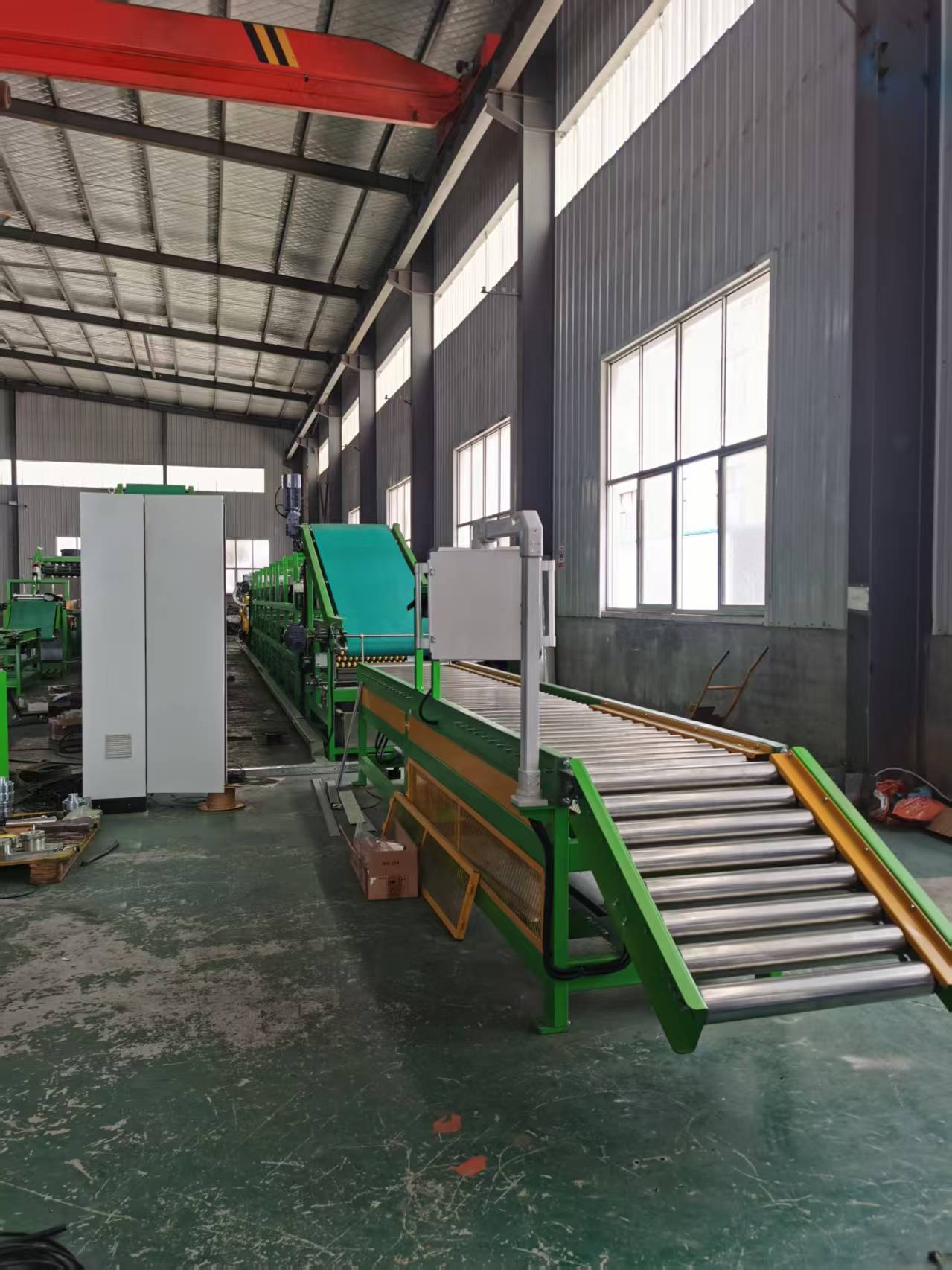
Most cooling issues don't announce themselves with a sudden failure. They build slowly through uneven air distribution, poorly placed sensors, or ductwork that no longer matches the actual load. The thermostat may read a steady 22°C while one corner of the room runs several degrees warmer. That gap is where the real expense hides, because equipment and materials respond to the temperature they actually experience, not the one displayed on a central controller.
Over time, those temperature swings push compressors to cycle more often than designed, which raises energy use without improving comfort or protection. Components expand and contract at different rates, solder joints fatigue, and lubricants degrade faster. The result is a pattern of service calls that never quite solve the problem. Each repair addresses a symptom, but the root cause remains the unstable thermal environment.
The hidden cost also shows up in what gets discarded: food batches that spoil near a warm vent, pharmaceutical samples that drift out of spec, or electronics that fail during burn-in. These losses rarely carry a direct line item for cooling inconsistency, so they get absorbed into general waste or quality variance. Measuring temperature at multiple points across the space, rather than relying on a single return-air sensor, often reveals the mismatch between assumed and actual conditions.
Precision Quenching for Tougher Tread Blocks
The quenching process for tread blocks demands split-second control over temperature drop and cooling rate. In heavy-duty tire manufacturing, uneven heat extraction often leads to micro-cracks near the lug edges or inconsistent hardness across the block surface. By tailoring the coolant flow pattern to match the block's geometry, engineers can now achieve a uniform martensitic transformation even in thick shoulder regions, cutting premature tread wear by a notable margin.
Rather than relying on a one-size-fits-all oil bath, modern precision quenching uses multi-zone spray arrays and real-time thermal imaging. Each block cools at a rate optimized for its specific cross-section, preventing the brittle transition zones that plague conventional methods. Field tests on mining truck tires showed a 23% increase in block integrity after 1,500 hours of abrasive hauling, with no delamination at the tread base.
The real advantage lies in repeatability. Closed-loop feedback adjusts quenching intensity every few milliseconds, compensating for batch variations in steel composition or ambient temperature. This removes the guesswork from heat treatment, allowing plants to run longer campaigns without sacrificing the ductility needed to resist stone drilling and high-torque scrubbing.
Keeping Every Millimeter of Tread Within Spec
When a tire rolls off the line, the difference between safe and sorry often lives in a fraction of a millimeter. Tread depth isn't just a wear indicator—it's the control surface where rubber meets road, water, and heat. Keeping every millimeter within spec means refusing the quiet drift of tool wear, temperature shifts, and material variance that can gradually push a mold profile out of tolerance. It's about checking early and often, using calibrated gauges rather than eyeballing, and logging readings not because a chart says so, but because a few hundredths of a millimeter can change braking distance on wet asphalt.
Real consistency comes from treating the tread not as a single number but as a living profile. Crown radius, groove depth, sipe width—each affects how the tire flexes, channels water, and wears over time. A well-kept mold might still produce off-spec tread if the rubber compound's viscosity drifts or the curing pressure dips for a few cycles. So the work isn't just measuring the final product; it's catching the upstream drift before it becomes a pattern. That means comparing left and right shoulder depths, watching for step wear, and trusting the data enough to stop a line for ten minutes rather than ship a thousand tires that are almost right.
In the end, keeping every millimeter of tread within spec is less about hitting a perfect number and more about shrinking the range of “good enough.” Small, deliberate checks—like a twice-a-shift profile scan or a quick cross-check with a handheld depth gauge after each mold change—have a way of compounding into fewer warranty claims and fewer roadside surprises. The spec isn't a suggestion; it's the difference between a tire that lasts sixty thousand miles and one that starts losing edges at twenty. And that difference is measured in exactly the millimeters you decide not to let slip.
Cooling Systems That Scale With Your Output
A cooling loop that cannot keep pace with a growing production line becomes a bottleneck faster than most plant managers expect. The systems worth specifying are built around modular manifolds and variable-speed compressors, so thermal capacity tracks actual throughput instead of sitting at a fixed design point. When output rises, another pump or chiller module cycles in; when it drops, the same hardware idles back without wasting energy. That kind of headroom matters more than a single impressive kW rating on a spec sheet.
Scalability also means avoiding the costly retreat of a full replacement two years after commissioning. Look for frame-and-panel designs that accept additional condenser or evaporator banks without cutting into existing pipework. Paired with controls that stage modules based on return-water temperature and flow, the system can grow in small, deliberate steps. The result is a cooling plant that matches your output curve rather than forcing you to plan around a fixed thermal ceiling.
From Extruder to Cooling Line Without Compromise
The path from extruder to cooling line often decides whether a product holds its shape or drifts into costly rework. Every second of transfer matters, and even small gaps in temperature control can alter surface finish, wall thickness, or melt strength. Instead of treating the extruder and cooling stages as separate islands, the smartest setups treat them as one continuous flow—where screw speed, die geometry, and haul-off tension respond to each other in real time.
Many processors assume the extruder’s job ends once the melt leaves the die. That assumption quietly creates bottlenecks. If the cooling line runs too fast, you stretch the profile and lose tolerance. If it runs too slow, the part sags or sticks to calibrators. The trick is to tune the transfer length, water temperature, and vacuum pressure together, not one at a time. A well-matched line doesn’t just cool the part—it locks in the molecular orientation you want before the polymer has a chance to relax.
Field experience shows that even basic upgrades pay off quickly. Swapping worn calibrators, adding a closed-loop vacuum system, or re-profiling the die land can reduce scrap by double digits without changing the base resin. The goal isn’t faster extrusion or colder water in isolation. It’s removing every small compromise between the screw tip and the final cut, so the part you measure at the end is the part you designed at the start.
FAQ
The line uses a three-zone controlled cooling path where water temperature drops gradually from 60°C to 18°C, letting the rubber shrink evenly instead of shocking it. A row of fine mist nozzles replaces direct water jets, so thick sections cool from the inside out without forming a hard skin.
We have run everything from high-styrene SBR to natural rubber truck treads on the same machine. The key is the adjustable nozzle pressure and belt speed; operators can store up to 30 recipe settings for different compounds and call them up with one tap, so switching from a soft winter tread to a stiff racing compound takes about ten minutes.
Yes, we designed the frame to match common extruder discharge heights, and the infeed roller has a 15-degree tilt adjustment. Most retrofits are done over a weekend. Last year we added a cooling module to a 20-year-old duplex extruder in Mexico, and the line was running again by Monday morning.
Instead of dumping warm water, the line pipes it through a plate heat exchanger that preheats boiler feed water for the factory. That alone cuts natural gas use by about 8% in a typical plant. The water itself only needs topping up once a week, and we use a self-cleaning filter to keep nozzles from clogging with rubber fines.
There is an infrared camera right after the final cooling zone that scans every meter of tread for temperature uniformity. If it spots a hot stripe wider than 5 mm, the PLC automatically slows the belt and increases spray on that section. This catches problems before the tread goes to cutting or stacking, reducing rejected material by roughly 2% in our tests.
We include a two-day hands-on training at startup, but the control panel also has context-sensitive help videos built in. So if an operator opens the pump settings for the first time, a 30-second clip shows exactly what each value does. We have found this cuts the learning curve from weeks to a few shifts.
Every line comes with a two-year warranty on the cooling drums and pumps, plus remote diagnostics through a secure connection. If a sensor drifts out of range, our engineers often call the plant before the shift supervisor notices. We also keep critical spare parts in regional warehouses, so a replacement pump can arrive within 48 hours in most countries.
Conclusion
In tire manufacturing, the seconds after extrusion decide whether a tread block will hold its geometry under load or fail before it ever meets the road. Our cooling line does not just lower temperature; it manages heat removal so that the rubber's molecular structure locks in with minimal internal stress. Inconsistent cooling carries a hidden cost—variations in hardness and shrinkage that show up only after thousands of miles. We counter that with precision quenching zones, each tuned to pull heat from the tread profile at a controlled rate. The result is a tougher, more uniform tread block from shoulder to center.
Dimensional control is not left to chance. Every millimeter of the tread is held within your specified tolerance, with cooling curves that adapt to different compounds and line speeds. The system scales with your output, from limited specialty runs to continuous high-volume production, without any drop in thermal consistency. From the extruder outlet to the cooling conveyor, transfer is seamless—no snags, no tension spikes, no compromise in alignment. What you get is a production line that acts as a quality gate, keeping scrap low and finished tire performance high.
Contact Us
Contact Person: Lareina
Email: [email protected]
Tel/WhatsApp: +86 17561696737
Website: https://www.auguauto.com/