
Roof Panel Maker Guide to Choosing Quality Materials for Your Home
2026-11-02
You don't need a roofing degree to spot the difference between panels that last and panels that leak—you just need the right questions to ask before you buy. From steel coatings to insulation cores, every layer you choose will either protect your home or quietly work against it. That's where LANYUN comes in: we've spent years helping builders and homeowners cut through supplier jargon and pick materials that earn their keep. Ready to build a roof that outlasts the mortgage? Keep reading.
The Hidden Differences Between Cheap and Quality Roof Panels
At first glance, most roof panels appear similar—ribbed metal sheets, painted or coated, ready to be screwed down. But the real story lies beneath the surface. Cheap panels often use thinner gauge steel, sometimes as low as 29 or 30 gauge, which flexes under foot traffic and can oil-can in direct sunlight. Quality panels, on the other hand, typically start at 26 gauge or lower, providing enough rigidity to withstand hail, wind uplift, and the occasional misstep during installation without permanent deformation.
Coatings and substrates separate the two even further. Economical options may rely on a basic galvanized layer or a thin polyester paint that fades and chalks within a few years. Premium panels use thicker zinc-aluminum alloys like Galvalume, paired with PVDF (Kynar 500) or silicone-modified polyester finishes. These not only resist corrosion in coastal or industrial environments but also retain color and gloss for decades, reducing the need for early replacement or repainting.
Dimensional consistency is another hidden differentiator. Cheap panels often come from roll-forming lines with looser tolerances, leading to slight variations in rib height, overlap width, or straightness. This makes installation slower and can create uneven laps that trap moisture. Quality manufacturers maintain tight tolerances, often within ±1/32 inch, and include anti-siphon grooves or capillary breaks in the side laps to prevent water wicking. In the end, the true cost difference shows up not at the invoice, but in how the roof performs after a decade of weather exposure.
How to Match Roof Panels to Your Local Weather Patterns
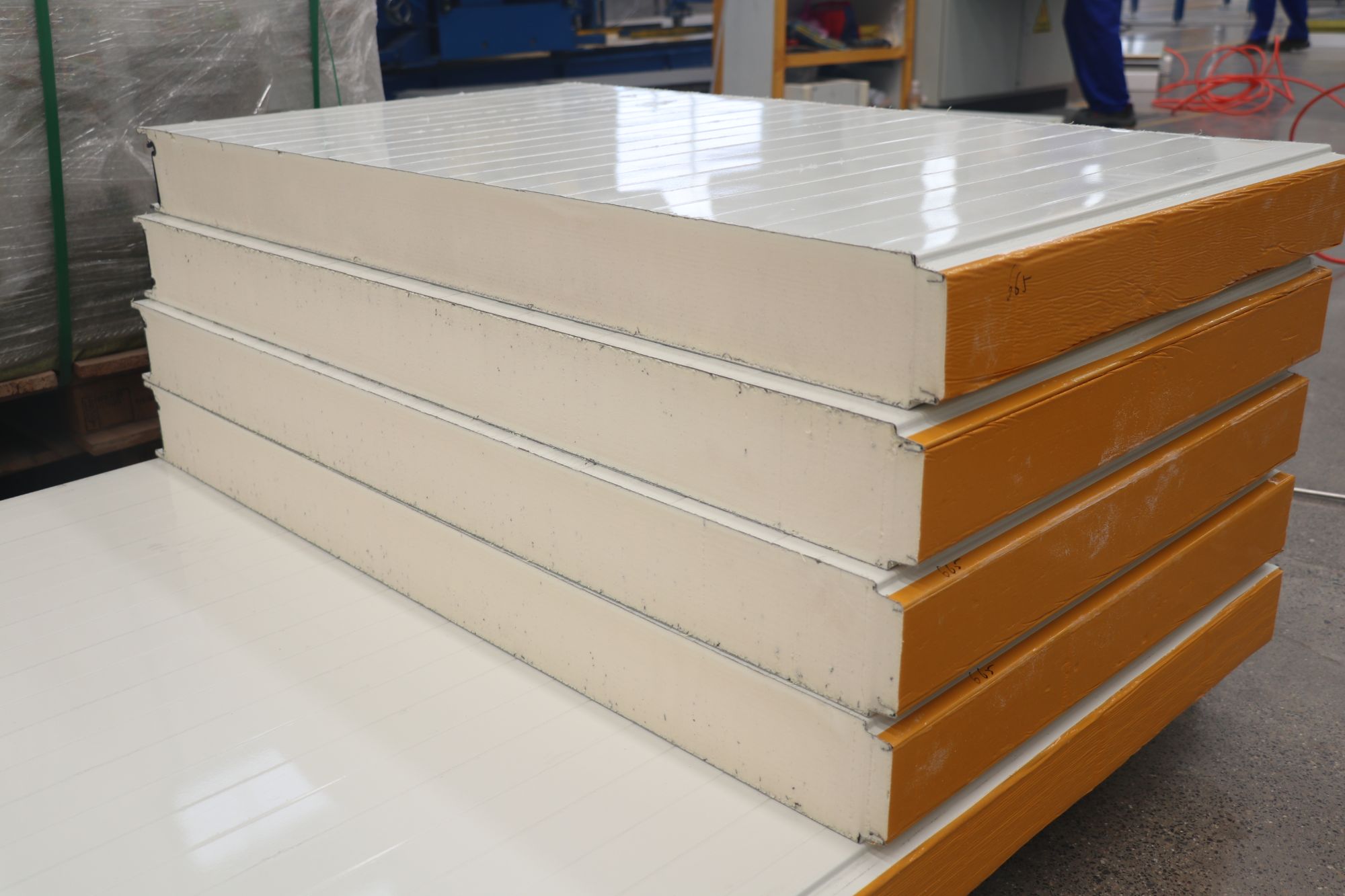
Roof panels don't fail uniformly across climates. A panel that shrugs off a Minnesota snow load may oil-can under Arizona sun, while a coastal installation can corrode within a decade if the coating doesn't resist salt spray. Begin by listing the primary weather stressors at your site: wind uplift speeds, annual rainfall intensity, hail frequency, snow depth, temperature swings, and proximity to saltwater. Then check panel profile and gauge against those numbers rather than chasing a universal "best" option.
For high-wind zones, favor panels with concealed fasteners and factory-formed seams over exposed-fastener corrugated sheets, which rely on gasketed screws that loosen over time. In hail-prone regions, a thicker steel substrate (24-gauge or heavier) and a textured or ribbed surface hide denting better than a flat, thin panel. Snow country calls for a steeper pitch and, where panels run long, enough allowance for thermal movement to prevent clip binding. Rainy climates benefit from anti-capillary grooves and properly lapped end joints, while salt-heavy coastal air usually demands aluminum or a high-grade Galvalume finish with a marine primer.
Don't overlook the micro-weather around your roofline. Overhanging trees that drop wet leaves can keep panels damp, and an unvented attic can turn a mild rain into trapped humidity. Match the underlayment and venting strategy to the same weather profile you used for the panels. A panel system chosen without accounting for how water, ice, or condensation actually moves through your roof will underperform no matter how strong the metal is.
Why Thicker Metal Isn't Always the Best Choice
A lot of folks assume that if a little thickness is good, a lot more must be better. Walk into any workshop and you'll hear someone suggesting to just "beef it up" whenever a part fails. But in real engineering, that logic often backfires. Thicker sections weld differently, cool unevenly, and introduce residual stresses that can crack on their own without any external load. Not to mention the extra weight changes how the whole assembly behaves under vibration or thermal cycling.
Take automotive or aerospace design as an example. Using a thinner gauge of high-strength steel or aluminum often outperforms a thicker chunk of mild steel in crash energy absorption and fatigue life. The reason is subtle: thin, well-shaped sections distribute stress more evenly, while thick plates can harbor internal defects like laminations or inclusions that become crack initiation points. Plus, thicker metal doesn't flex the same way, so you lose the beneficial dampening effect that a slight give provides.
Then there's the cost and practicality. More material means higher raw cost, heavier shipping, and often more difficult machining or forming. In heat exchangers or brake rotors, thinner walls actually improve heat transfer because the thermal path is shorter. So the next time someone insists on thicker metal as a universal fix, remind them that the best choice is the right thickness for the specific load, environment, and manufacturing process—not just the biggest chunk you can bolt on.
Installation Mistakes That Void Your Roof Warranty
Many homeowners unknowingly forfeit their roof warranty the moment they hire the wrong crew. A common issue is improper fastening—using nails that are too short or placed too high on the shingle. This leaves edges vulnerable to wind uplift, and manufacturers can spot the mistake during a claim inspection. Once that happens, your warranty is as good as gone, even if the roof was installed just a year ago.
Another frequent misstep involves skipping essential underlayment or using an incompatible type for the shingle brand. Roofers may cut corners to save time, but that thin layer between deck and shingles plays a critical role in moisture protection. If a leak develops and the inspector finds missing or mismatched underlayment, the warranty won't cover repairs. You'll be left footing the bill for a problem the installer created.
Ventilation mistakes also rank high on the list. Sealing up intake vents or failing to balance exhaust airflow can trap heat and moisture in the attic. Over time, this warps shingles and rots the decking. When a manufacturer sees heat damage from poor ventilation, they classify it as an installation fault—not a product defect. That small oversight during installation turns your long-term coverage into a piece of paper.
The Real Cost of Roof Panels Over 20 Years
Most buyers fixate on the per-square-foot quote, but that number is almost meaningless across two decades. A basic painted steel panel might cost $4.50 installed per square foot, while a thicker standing seam aluminum panel can top $11. The cheaper option often needs repainting around year eight, new fastener gaskets by year twelve, and spot repairs after storms—quietly adding $2,800 to $5,200 to a typical 1,800-square-foot roof.
Energy use changes the math further. Panels with a high-reflectance coating in a light color can keep attic temperatures low enough to trim cooling bills by 9% to 14% in southern states, but dark, uncoated panels do the opposite. Over 20 years, that performance gap can reach $3,500 to $6,800 in electricity savings, making a mid-priced reflective panel the true bargain.
Durability is where hidden costs hide. A well-installed 24-gauge metal roof will usually sail past the 20-year mark with nothing but occasional caulking, while thinner 29-gauge panels may dent, leak at the seams, or need full replacement before year fifteen. Add tear-off, disposal, and one replacement cycle, and the long-term cost of a cheap panel can double its original installed price. The honest number isn’t what you write on the contract day—it’s what the roof quietly extracts from your wallet over the next two decades.
Designing a Roof That Stands Out Without Trying Too Hard
A roof rarely needs loud angles or a rainbow of materials to get noticed. Often the most memorable ones borrow from the house below them—repeating a trim color in the fascia or picking up the same wood tone used on the front door. That small thread of consistency makes the roof feel intentional rather than decorated.
Texture does a lot of the quiet work. A matte standing-seam metal in a muted green or warm gray reads as thoughtful, not flashy, especially when the surrounding homes lean traditional. Mixing two materials with similar weight—like slate-look shingles and copper flashing—creates depth without making the roof feel busy.
Scale matters more than shape. A gently extended eave or a slightly steeper pitch can draw the eye upward without turning the roofline into a sculpture. The goal is a roof that feels settled into its site, as if it has always been there, rather than one demanding a second look.
FAQ
Start with the gauge and the substrate. A lower gauge number means thicker steel or aluminum, which resists dents and carries snow loads better. Then check the coating—look for a PVDF or similar high-grade finish rather than a basic polyester, because that's what protects against fading and chalking over the years. Also ask about the panel profile and whether the manufacturer tests for wind uplift and impact.
Ask for independent test results, not just marketing claims. A panel rated for your region's wind speed and impact class—like UL 2218 Class 4 for hail—is a strong sign. For coastal areas, aluminum or zinc-coated steel performs better against salt spray. And pay attention to how the panels lock together; a sturdy seam design keeps water from sneaking in during driving rain.
Not necessarily. Thicker panels do resist impact and oil canning, but they also add weight and cost. For most homes, 24-gauge steel or .032-inch aluminum gives a good balance of strength and workability. The profile and the quality of the installation matter just as much, so don't assume the thickest option solves every problem.
The coating is the first line of defense against UV rays, moisture, and corrosion. A high-end PVDF coating keeps colors stable and resists fading far longer than a standard polyester. If you live somewhere with intense sun or frequent rain, that difference shows up within a few years. Check the warranty too—manufacturers usually back their better coatings for longer periods.
It depends on your experience and the roof's complexity. Some panel systems are designed for DIY and come with clear layouts and pre-cut lengths, but mistakes in fastening or underlayment can void the warranty and cause leaks. If your roof has valleys, skylights, or a steep pitch, a trained installer is worth the extra cost.
Order physical samples and look at them outside at different times of day, not just on a screen. Matte finishes hide scratches and glare, while low-gloss metal reflects more heat. Pick a color that works with your siding, trim, and landscaping, but also think about resale—neutral tones tend to stay appealing longer.
Very little if the coating is intact. An annual rinse with a garden hose removes pollen and debris, and you should clear leaves from valleys and gutters. Avoid walking on the panels unless you know where the supports are, and check the fasteners and sealant around penetrations every few years. Touch up any scratches right away to prevent rust.
Yes, reflective coatings and lighter colors bounce more solar heat away, which keeps the attic cooler. Some metal roofs are rated for high solar reflectance and thermal emittance, and they can cut peak cooling demand noticeably. Combining that with proper ventilation and an air gap below the panels gives the best result.
Conclusion
Choosing the right roof panels goes far beyond picking a color or trusting a brand name. The differences between budget and quality panels often hide in plain sight: coating thickness, substrate purity, and the precision of the roll-forming process. A panel that looks identical from the curb may fail years earlier if it uses a thinner zinc layer or a lower-grade steel core. Matching panels to your local weather isn't just about snow load or wind rating—it also means considering humidity, salt exposure, and temperature swings. And while thicker metal can feel like a safer bet, modern high-tensile steel often outperforms thicker low-grade alternatives because it resists denting and thermal movement more effectively. The maker's reputation matters less than the actual test data behind their panels.
Installation choices frequently decide whether a warranty stays valid. Over-tightened fasteners, skipped seam sealant, or mixing metals can void coverage without the homeowner realizing it. Over 20 years, the real cost of a roof includes not just the initial material price but also energy performance, maintenance, and the likelihood of early replacement. A slightly more expensive panel with a better coating can save thousands in repainting or leak repairs. Finally, design doesn't have to be loud to be effective—a simple profile in a matte finish, paired with the right trim and eave detail, often ages better than trendy colors or exaggerated ribs. By focusing on material spec sheets, local climate data, and installer habits, you can choose a roof that stays quiet, dry, and visually calm for decades.
Contact Us
Contact Person: Nia
Email: [email protected]
Tel/WhatsApp: +86 18954360337
Website: https://www.sdppgi.com