
Return Idler Roller Manufacturer Guide for Reliable Conveyor Performance
2026-11-25
Most conveyor downtime can be traced back to components that rarely get a second glance—and return idler rollers are near the top of that list. A poorly specified or badly manufactured return idler doesn't just wear out early; it quietly increases belt drag, throws tracking off, and eats into your maintenance budget. This guide from YUFENG breaks down what actually matters when choosing a return idler roller manufacturer, so you can build a conveyor line that stays predictable instead of becoming a recurring headache.
Why Most Return Idler Failures Start Before Installation
Return idler failures rarely begin with a sudden bearing seizure or a collapsed shell on the conveyor line. In most cases, the groundwork is laid weeks or months earlier, before the idler ever reaches the pulley. A roll that gets dropped during unloading, stored uncovered on muddy ground, or lifted by the shaft rather than the tube can suffer subtle raceway damage or seal distortion that no visual inspection will catch. That hidden damage turns a nominally rated L10 bearing life into a fraction of what the catalog suggests.
Specification mistakes during procurement create another early failure path. If the idler series is chosen only by belt width and CEMA class, the actual belt speed, material density, lump size, and moisture often get ignored. A return idler running at 900 feet per minute in a dusty cement plant has very different sealing and lubrication demands than the same roll in a clean aggregate yard. Ordering a standard labyrinth seal where a contact seal or taconite seal is required is a common example; the idler is doomed before the first splice is installed.
Even the best idler can be compromised by how it waits for installation. Stacking rolls flat under a tarp for three months may seem harmless, but static load on one side of the shell can create a nearly imperceptible flat spot or push grease away from the loaded zone. Condensation inside the bearing cavity during temperature swings is another overlooked killer. When the idler is finally bolted into place, the first rotation may feel smooth, but the damage is already there—and it shows up as unexplained noise, seal leakage, or premature lockup within the first thousand hours.
Matching Roller Design to Real Loads Instead of Catalog Ratings
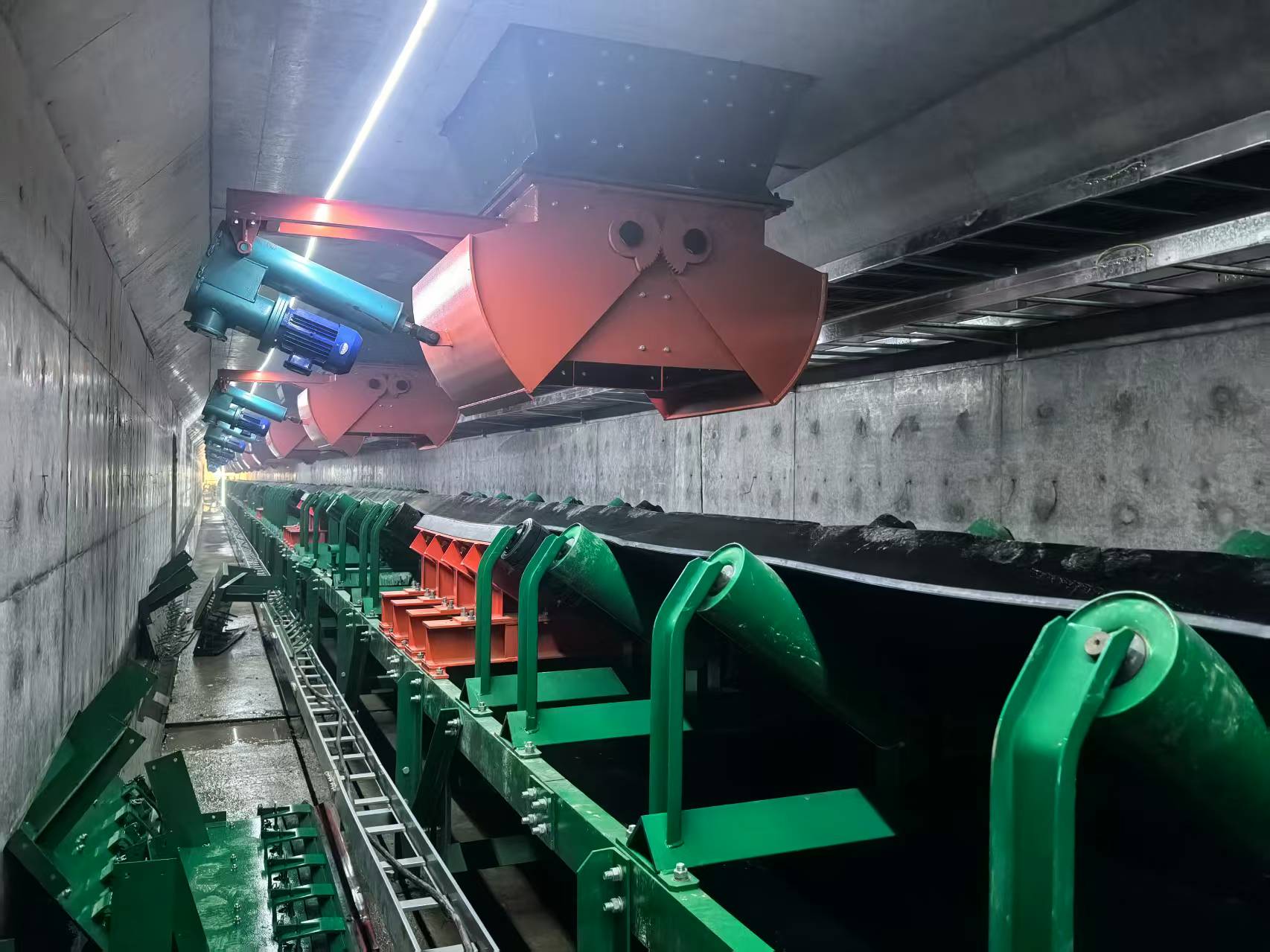
Catalog ratings for rollers are usually derived from clean, well-aligned test rigs running at steady speeds, which rarely mirrors what happens on a production floor. A roller that looks oversized on paper can still fail early once shock loads, slight misalignment, or debris enter the picture. Matching the design to actual loads means starting with measured force histories rather than a single published number.
Field data from strain gauges, load cells, or even motor current trends often reveals peak forces far above the nominal value. Those peaks, plus the frequency and direction of loading, drive contact stress and fatigue life more than the average load. Designing around the full load spectrum helps avoid both premature spalling and unnecessary overbuilding.
It also pays to look at how the roller body, bearings, and mounting structure share those real loads. A stiff frame can concentrate stress at the edges, while a slightly crowned roller may relieve it. The goal is a roller profile and bearing arrangement that survive the actual duty cycle, including starts, stops, and occasional overloads, without relying on catalog assumptions that no longer apply.
Shell Materials and Coatings That Survive Abrasive Environments
Abrasive wear rarely comes from a single source. It can be dry particles sliding across a chute, wet slurry chewing through a pump housing, or high-velocity grit eroding the leading edge of a fan blade. Because of that, shell materials need to balance hardness with enough toughness to avoid cracking under repeated impact. Through-hardened steels and high-chrome white irons hold up well in many sliding wear situations, but they can become brittle when the impact angle shifts or the temperature climbs. In those cases, a tougher base shell with a wear-resistant surface often lasts longer than a uniformly hard casting.
Coatings add another layer of control. Tungsten carbide and chromium carbide overlays are common for high-stress abrasion, while ceramic-filled epoxy coatings can protect complex shapes where welding would distort the shell. Polyurethane and rubber linings take a different approach: instead of resisting the particle, they let it bounce off and dissipate energy. That makes them surprisingly effective in wet, fine-particle services that would quickly score a hardened steel surface. The key is matching the coating mechanism to the type of wear, not simply choosing the hardest option available.
Field experience tends to favor layered solutions. A ductile shell absorbs the impact, a tough intermediate layer stops cracks from spreading, and a hard outer surface handles the cutting action. It also helps to watch the edges, seams, and transition zones, since those areas often fail long before the main face of the shell. Small changes in liner geometry or weld profile can shift the wear pattern enough to extend service life without switching to a more expensive material.
Bearing Seals and Lubrication Paths Worth Inspecting Closely
Most wear on bearing seals starts at the lip contact line, but the real trouble often sits just behind it. If the spring has lost tension or the lip has polished a shallow groove into the collar, the sealing edge can still look acceptable while letting moisture and dust move through during thermal cycles. On the lubrication side, check the entry and exit ports under magnification. A burr or partially blocked drilling can redirect grease toward the path of least resistance instead of the rolling elements.
Grease distribution inside the housing rarely matches the drawings once runtime begins. Old grease packed around the outer diameter, clean grease near the fitting, and dry areas around the cage are a reliable sign that the intended path is not working. Pay attention to clearances between the flinger, spacer, and end cap. If these gaps are uneven, the lubricant may pump outward or pressurize the seal instead of passing through the bearing.
It helps to mark a few components before disassembly and to inspect the purge point before the bearing is washed. A grease path that is clear on the bench can still fail under load because of shaft deflection or thermal growth. The condition and location of the used grease usually tell you more about the system than the amount left in the housing.
Frame Alignment and Bracket Fit in Retrofit Situations
Retrofit projects rarely hand you a clean slate. Existing walls drift, rough openings settle, and what looked square on paper ends up several degrees off in the field. When you bring a new frame into that environment, the first real test is whether the mounting brackets can absorb the gap without forcing the installer into awkward shims or field modifications. A bracket with slotted holes and a few millimeters of lateral play often makes the difference between a clean install and a callback. Checking the alignment early, before any fasteners go in, saves hours later when the door or window starts binding.
Bracket fit also depends on the substrate you are anchoring into. Old masonry, uneven drywall, or a mix of materials behind the surface can push a rigid bracket out of plane. In these situations, a design that allows for micro-adjustment after initial placement is more useful than one that relies on the frame being perfectly plumb from the start. Some installers keep a set of thin spacer plates on hand, but the better approach is choosing hardware that already accounts for the variability. If the bracket flexes slightly under load, it can conceal small misalignments without transferring stress back into the frame corners.
The goal in any retrofit is not to force the old opening to match the new frame, but to let the bracket manage the difference quietly. A well-matched bracket set should let you set the reveal, check the diagonal measurements, and still have room to correct a few degrees of twist before locking everything down. When the hardware does its job, the finished assembly looks intentional rather than adapted, which is exactly what clients expect from a professional retrofit.
Field Signals That Indicate a Roller Is About to Quit
Most rollers don't announce their departure with a formal resignation letter. Instead, they start dropping small but telling signs long before they actually walk away. Watch for a shift in how they talk about the work—phrases like "it is what it is" or a sudden lack of interest in planning future sessions become more common. They might stop asking questions about technique or stop sharing their own observations. The energy they once brought to the table quietly fades, replaced by a kind of polite disengagement that's easy to mistake for a bad day.
Another reliable signal shows up in their physical presence. A roller who used to show up early, warm up thoroughly, and stay late to drill weak spots may start arriving just in time or leaving immediately after. Equipment gets packed away faster, and the usual post-session chatter disappears. You might notice them watching the clock more often, or their movements become less precise—not because they've lost skill, but because the mental investment has already moved elsewhere.
Pay attention to what they don't say, too. When someone stops mentioning upcoming competitions, avoids committing to training partners, or quietly drops out of group conversations about long-term goals, that silence carries weight. A roller who is about to quit often begins protecting their time and emotional energy, pulling back from the relationships that once kept them anchored. Recognizing these field signals early gives you a chance to check in before the decision becomes final.
FAQ
A dependable manufacturer will ask about your belt speed, material characteristics, and environment before quoting. They should be willing to share bearing and seal specifications, explain why they chose a particular shell thickness, and offer laboratory or field test results. If the conversation never moves past unit cost, you are probably not comparing equivalent roller life.
More than most operators expect. A return idler that is even slightly out of round or poorly balanced can introduce vibration that pulls the belt sideways, wears edges, and adds load to the drive. Good design keeps the return path stable, reduces lateral movement, and helps the belt center itself after the discharge point.
There is no universal answer. In dry abrasive conditions, thick-wall steel or ceramic-lagged rolls tend to last. For wet and corrosive environments, stainless steel shafts and sealed polymer or rubber-lagged rolls usually make more sense. Sticky materials often call for spiral or disc return idlers that shed carryback instead of letting it harden on the shell.
Walk the return side during a planned stop and listen for rough bearing sounds while the belt is coasting. Check for shell wear patterns, temperature differences at the bearing housings, and material buildup near the brackets. Do not grease on a fixed calendar schedule unless the manufacturer recommends it; over-greasing blows seals and shortens bearing life.
Replace it when the shell is worn through or deeply grooved, the shaft is bent, the bearing seats are loose, or the seal has failed and let contamination inside. If rebuilding costs more than about two-thirds of a new roller and you cannot verify the replacement bearings and seals match the original, replacement is the safer choice.
Yes, especially on long overland conveyors. Lower rolling-resistance bearings, proper diameter, and well-balanced shells reduce drag and belt indentation losses. The savings per roller are small, but over thousands of rollers and continuous operation they add up. Ask the manufacturer for test data instead of accepting a blanket efficiency claim.
Misaligned brackets, inconsistent bolt torque, and spacing that exceeds the manufacturer’s limits are the usual culprits. Hammering on the shaft or bearing housing during installation can damage seals and create early failure. Use alignment tools and follow the spacing table for the belt width and load conditions.
Spiral and disc return idlers are designed to shed material as the belt moves, preventing buildup from hardening and throwing the belt off center. However, they work best alongside properly adjusted belt cleaners. A plain steel roll in sticky service will often collect a layer of material, increase belt wear, and create balance problems.
Conclusion
A surprising number of return idler problems are set in motion long before the first ton of material moves. Buyers who treat the return side as a low-stress afterthought often accept loose shaft tolerances, thin shells, or mismatched brackets, then wonder why the rollers wobble, seize, or chew through belts within months. Reliable conveyor performance starts with defining actual operating conditions including load spikes, belt speed, moisture, dust, and the abrasive character of the material being handled. Instead of relying on generic catalog ratings, specify roller diameters, wall thicknesses, and bearing sizes that reflect real peak loads and fatigue cycles. Where abrasive fines or corrosive washdowns are present, shell material and coating choices matter just as much as the internal fit. Hardened steel shells, ceramic or urethane coatings, and sealed end constructions can keep a roller turning after standard steel has worn thin, so the initial material selection should never be treated as a footnote.
Even a well-specified roller will fail early if the bearing cavity and lubrication path are neglected. Inspect how the seal arrangement handles fine dust and water spray, and confirm that grease can actually move through the cavity without overpacking or starving the bearing, because many failures look like material fatigue but are really contamination or heat buildup. In retrofit work, frame alignment and bracket fit decide whether the new idler sits square under the belt or fights the load from day one. Small gaps, shifted centers, or reused brackets that no longer match the replacement design create edge loading and uneven wear. Finally, learn the field signals that precede sudden failure. A roller that growls, runs hot, slows unevenly, or shows polished streaks on the shell is asking for attention. Replacing it before it locks up protects the belt splice, the frame, and the rest of the conveyor from damage that costs far more than an idler.
Contact Us
Contact Person: Jayce
Email: [email protected]
Tel/WhatsApp: 8615318787602
Website: https://www.yuphengbelt.com/