Polyethylene Glycol in China: Applications, Benefits, and Industry Insights
2026-07-29
Polyethylene glycol (PEG) might not be a household name, but it's quietly revolutionizing everything from modern medicine to high-performance construction materials across China. As demand surges, understanding its applications and the forces shaping the market becomes crucial—especially with forward-thinking companies like HAISEN pushing the boundaries of what this versatile polymer can do. In this post, we unpack the benefits, industry trends, and why PEG is China's unsung industrial hero.
China’s PEG Dominance Explained
Few realize just how far China’s reach extends in the world of polyethylene glycol. From pharmaceuticals to industrial lubricants, this versatile polymer flows through countless supply chains—and China produces over half of it. The shift didn’t happen overnight, but it’s now so pronounced that when a major Chinese plant pauses for maintenance, global prices twitch.
Domestic coal-based ethylene oxide gives Chinese manufacturers a raw material edge that rivals elsewhere can’t easily match. Pair that with massive, government-backed refinery complexes and you get economies of scale that push down unit costs. What’s often overlooked, though, is the network effect: decades of building out ports, specialized logistics, and a deep talent pool have created a self-reinforcing cluster that newcomers struggle to replicate.
The real story lies in the mid-tier producers who adapt faster than anyone expects. While international competitors refine high-purity grades, Chinese firms dominate the bulk segments—automotive coolants, construction chemicals, even everyday personal care items. This isn’t just about being the cheapest; it’s about a system that turns polymer feedstock into finished goods with a speed and flexibility that keeps global buyers locked in.
Real-World Uses of Polyethylene Glycol
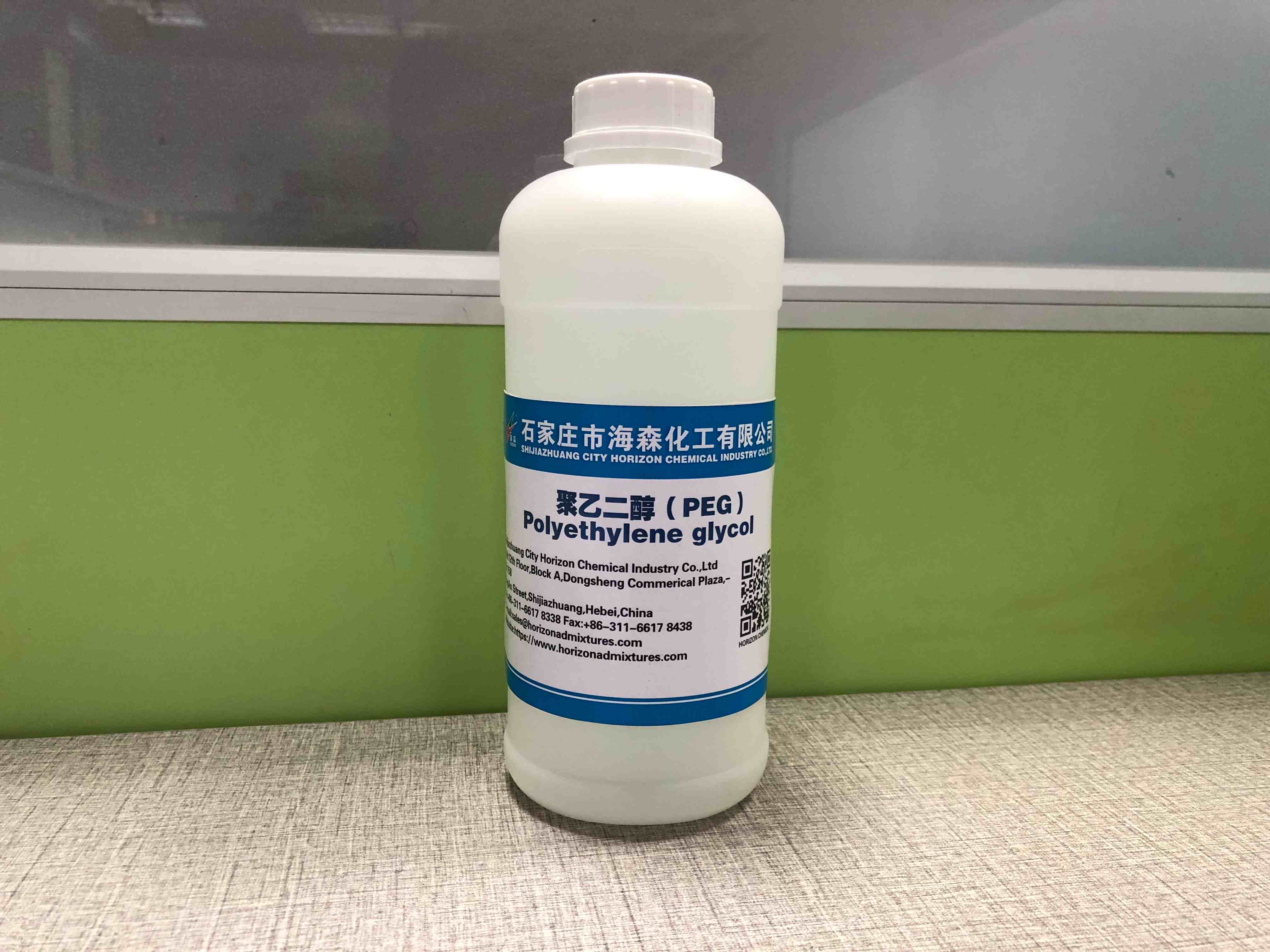
Polyethylene glycol, or PEG, quietly sneaks into more corners of daily life than most people realize. Walk into any pharmacy and you'll find it listed in laxatives like MiraLAX, where it gently draws water into the colon to ease things along without cramping. But its medical reach goes further—surgeons rely on PEG-based hydrogels as sealants to stop leaks in lungs or blood vessels, and it's even used to coat some time-release pills, controlling how fast medication enters the body. It's the kind of compound that does its job without fanfare, yet modern healthcare would be noticeably more difficult without it.
Outside the body, PEG takes on an entirely different persona. Manufacturers mix it into everything from skin creams and toothpaste to that gritty-feeling cleanser you use on tile floors. Its talent for dissolving both oily and watery substances makes it a workhorse ingredient that helps lotions glide on smoothly or stops your shampoo from separating on the shelf. Industrial scientists also exploit it to make polyurethane foams, the springy material in furniture cushions and car seats. By tweaking its molecular weight, they can dial in exactly how firm or squishy the final product feels—a neat trick that blends chemistry with everyday comfort.
Even a few industries you wouldn't picture are turning to PEG for solutions. Conservationists sometimes submerge old wooden shipwrecks in PEG solution: it seeps into waterlogged cells and slowly replaces the water, preventing the wood from cracking as it dries. In biology labs, researchers use PEG to force plant cells to fuse together, creating hybrids they can study. And if you've ever handled a new paperback and caught a faint slippery-smooth finish on the cover, that's likely a PEG coating protecting it from moisture. From bathroom cabinets to museum vaults, it's proof that one unassuming polymer can thread itself through a startling range of practical problems.
Why PEG Stands Out in Manufacturing
PEG has redefined what it means to be a manufacturing partner by combining deep technical expertise with an almost obsessive focus on adaptability. Rather than offering rigid, one-size-fits-all solutions, their engineering teams embed themselves in the client’s reality—understanding not just the specs, but the real-world pressures of lead times, cost constraints, and quality expectations. This hands-on, consultative approach means that challenges are often solved before they escalate, turning what could be transactional relationships into genuine collaborations.
Another thing that quietly sets PEG apart is their investment in hybrid manufacturing systems that blend automation with skilled craftsmanship. While many facilities lean completely into lights-out production or rely solely on manual processes, PEG struck a practical middle ground. The automation handles repetitive precision tasks with unfailing consistency, while experienced machinists and assemblers step in for complex, custom work that requires intuition. The result is a shop floor where speed and human oversight coexist, giving clients confidence that even low-volume, high-mix orders receive the same care as high-volume runs.
Beyond the factory walls, PEG’s supply chain resilience often goes unnoticed until it matters most. They’ve cultivated a network of regionally anchored material suppliers and logistics partners, which provides a buffer against the kind of global disruptions that stall production elsewhere. This isn’t luck—it’s a deliberate strategy that prioritizes consistent delivery over chasing the absolute lowest material cost. Clients stop asking about lead times because late shipments become the rare exception rather than a recurring conversation, making PEG feel less like a vendor and more like an extension of their own operations.
Trends to Watch in China’s PEG Sector
China’s private equity and growth capital (PEG) market is undergoing a structural reshuffle, with capital concentrating in a shrinking pool of top-tier managers. LPs are increasingly selective, favoring funds with deep sector expertise—especially in hard tech, healthcare, and advanced manufacturing—over generalist strategies. This flight to quality is widening the gap between the largest, most established players and smaller, undifferentiated firms, many of which struggle to close new vehicles. The ripple effect is clear: fund sizes are polarizing, and first-time fundraising has become exceptionally difficult without a clear institutional track record or government backing.
Another shift gaining momentum is the growing dominance of RMB-denominated funds, fueled by state-guided capital and local government investment platforms. These players are not purely financial investors; they bring policy objectives that shape deal flow and exit pathways, often steering portfolio companies toward domestic listings, particularly on the STAR Market or ChiNext. For foreign GPs, navigating this landscape requires more than just local partnerships—it demands alignment with industrial policy goals and comfort with longer hold periods, as A-share IPOs have become the preferred exit route. Meanwhile, secondary market valuations are under pressure, forcing PEG managers to double down on value creation levers like operational improvement and cross-border expansion.
Looking ahead, secondary transactions and continuation funds are emerging as key tools for liquidity management, especially as the backlog of aging portfolio companies grows. GPs are also experimenting with innovative structures, including fund-level NAV facilities and strip sales, to return capital to LPs in a sluggish exit environment. In this tightening cycle, the ability to manufacture exits through strategic sales or dual-track processes will separate resilient managers from the pack. As regulatory oversight tightens and competition intensifies, the PEG sector’s evolution will reward those who can adapt quickly without overreliance on market timing.
Addressing PEG Safety and Quality Concerns
The safety profile of PEGylated products hinges on the rigorous removal of polydispersity and reactive impurities such as diols, aldehydes, and peroxides. Advanced purification techniques, including membrane filtration and preparative chromatography, are implemented to narrow the molecular weight distribution and eliminate low-weight fragments that often trigger immunogenic responses. By tightly controlling these variables, manufacturers can produce PEG reagents with consistent batch-to-batch performance, reducing the likelihood of adverse accumulation in tissues and complement activation.
Characterization beyond pharmacopeial standards is critical. While USP guidelines emphasize average molecular weight, deeper analysis using MALDI-TOF mass spectrometry and multi-angle light scattering reveals structural anomalies like branching irregularities or cyclic oligomers that could undermine product stability. For instance, NMR spectroscopy is employed to verify end-group fidelity, ensuring each PEG chain has the intended functional group for conjugation. Such detailed profiling of both primary structure and trace contaminants empowers developers to correlate specific quality attributes with clinical outcomes, moving beyond simplistic purity metrics.
Long-standing concerns about anti-PEG antibodies are being addressed through smarter design rather than just purification. By engineering PEG alternatives that incorporate cleavable linkers or by using low-immunogenic PEG geometries, such as short, discrete-length oligomers, companies are crafting conjugates with reduced immunorecognition. Coupled with accelerated storage stability studies that mimic formulation stresses, this approach not only bolsters safety but also extends shelf life without compromising therapeutic efficacy—directly tackling the root causes of patient sensitization and batch failures observed in earlier PEG-based therapies.
Future Outlook for Polyethylene Glycol
Polyethylene glycol (PEG) is poised for substantial growth across multiple industries, driven by its unparalleled versatility and biocompatibility. In pharmaceuticals, the expanding pipeline of biologic drugs and the continuous refinement of PEGylation techniques will solidify its role in enhancing drug stability, extending half-life, and reducing immunogenicity. Innovative applications such as PEG-based hydrogels for targeted drug delivery and tissue engineering are expected to gain momentum, offering more precise treatments with fewer side effects. Additionally, the increasing demand for sustainable and bio-based materials will push manufacturers toward developing PEG from renewable sources, potentially reducing environmental impact without compromising performance.
The push toward personalized medicine and advanced therapeutics will further elevate PEG's importance. As researchers explore mRNA vaccines, gene therapies, and cell-based treatments, PEG's utility as a protective shield and delivery vehicle becomes indispensable. Concurrently, the cosmetics and personal care sector will continue to leverage PEG's humectant and emollient properties, while innovators seek out novel derivatives with improved sensory profiles and stability. However, the future landscape is not without challenges: concerns over immunogenic responses to PEG and regulatory scrutiny will necessitate the development of next-generation PEG variants that maintain efficacy while overcoming these biological hurdles.
Beyond healthcare, PEG's role in industrial applications will broaden as sustainability mandates intensify. Its use as a green solvent, lubricant, and phase-change material aligns with the global shift toward eco-friendly processes. Emerging technologies like 3D printing of biocompatible scaffolds and advanced nanomaterials will also catalyze demand for high-purity PEG grades. Overall, the future outlook for polyethylene glycol remains highly positive, characterized by deeper integration into cutting-edge products, a stronger emphasis on green chemistry, and continuous innovation to address both performance and safety requirements.
FAQ
Polyethylene glycol (PEG) is widely used across multiple sectors in China. In the pharmaceutical industry, it serves as a base for ointments, tablet binders, and laxatives. The cosmetics industry relies on it as a humectant and emulsifier in creams and lotions. Additionally, PEG is essential in the production of polyurethanes, serving as a key raw material for foams, elastomers, and adhesives. Its role as a plasticizer and lubricant in textile and rubber processing further underscores its versatility.
China’s PEG market has expanded rapidly, driven by robust domestic demand from its vast manufacturing base. Unlike mature Western markets where growth is steady, China’s market is characterized by high-volume production with a focus on cost efficiency. The country has become a net exporter of PEG, leveraging economies of scale. However, it still imports specialized high-purity grades for pharmaceutical and electronic applications, reflecting a dual-track dynamic.
PEG’s solubility, biocompatibility, and low toxicity make it invaluable in drug formulations. It enhances the solubility of poorly water-soluble drugs, improving bioavailability. In solid dosage forms, PEG acts as a binder and plasticizer for tablet coatings. It is also used in ophthalmic solutions and as a base for topical creams. Moreover, PEGylation—the attachment of PEG chains to proteins—prolongs the circulation time of biologic drugs, reducing dosing frequency.
PEG production is not inherently hazardous, but the manufacturing process can involve ethylene oxide, a toxic and flammable substance. Chinese manufacturers have faced scrutiny over emissions and factory safety. In response, the industry is shifting toward cleaner production methods and stricter compliance with environmental regulations. Some companies are exploring bio-based PEG derived from renewable resources to mitigate ecological impact.
PEG is a staple in Chinese skincare and haircare products due to its excellent moisturizing properties. It helps maintain product consistency and improves spreadability. With the rise of domestic beauty brands, the demand for high-quality PEG has grown. It is often found in facial cleansers, shampoos, and anti-aging creams. Additionally, its use in color cosmetics as a dispersant for pigments is gaining traction.
Leading Chinese manufacturers adhere to rigorous quality control protocols, often aligning with pharmacopeia standards such as the Chinese Pharmacopoeia, USP, and EP. Advanced purification techniques like distillation and ion-exchange chromatography are employed to reduce impurities. Third-party testing and certification have become common practices to ensure export-grade products meet the precise specifications of overseas clients.
Recent innovations include the development of ultra-high molecular weight PEG for enhanced drug delivery and the production of narrow polydispersity PEG derivatives to improve clinical reproducibility. Some Chinese firms have pioneered continuous flow synthesis, which reduces batch variability and energy consumption. There is also growing interest in PEG-based hydrogels for wound dressings and tissue engineering, reflecting a shift toward high-value biomedical applications.
The sector grapples with overcapacity in lower-grade PEG, leading to intense price competition. Rising raw material costs, particularly for ethylene oxide, squeeze profit margins. Environmental compliance demands ongoing investment in cleaner technologies. Moreover, as global customers demand greener alternatives, Chinese producers must innovate to produce biodegradable or bio-based PEG without sacrificing performance.
Conclusion
China’s polyethylene glycol (PEG) industry has grown into a global force, driven by massive production capacity, cost-effective raw material access, and a deeply integrated supply chain. Real-world applications stretch far beyond laxatives and cosmetics—PEG is now essential in pharmaceutical tablet coating, vaccine purification, industrial lubricants, and even water-based paints. In manufacturing, its versatility as a consistency regulator or viscosity modifier gives it an unmatched edge: low volatility and biocompatibility let producers fine-tune products without adding toxicity or environmental strain. This functional range, combined with China’s rapid scale-up in ethylene oxide derivatives, keeps domestic PEG at the center of both high-volume and high-purity markets worldwide.
Current trends point toward higher-molecular-weight grades for advanced drug delivery and green building materials, while tighter domestic regulations are quietly raising quality benchmarks and pushing smaller players out. Safety concerns—once centered on residual ethylene oxide or dioxane—are being systematically tackled through continuous process improvements and third-party certifications that build trust with international buyers. Looking ahead, research into biodegradable PEG copolymers and recovery systems for industrial wastewater suggest the sector is pivoting from pure output to responsible innovation. China’s PEG landscape is therefore no longer just about affordable supply; it is steadily morphing into a high-tech, sustainability-conscious pillar of the global chemical and healthcare industries.
Contact Us
Contact Person: Sam Lee
Email: [email protected]
Tel/WhatsApp: 86-311-6617 8338
Website: https://www.horizonadmixtures.com/