
OEM Butterfly Valve Supplier Partnerships That Strengthen Your Supply Chain
2026-11-16
Supply chains rarely fail all at once. They weaken through small inconsistencies—especially in components like butterfly valves, where tolerance drift, late shipments, or unclear OEM specifications can stall entire production runs. A transactional supplier hides those risks; a genuine OEM partnership removes them. ZMV focuses on exactly that: building butterfly valve supplier partnerships that make your supply chain more predictable, not more fragile. But what does a partnership that actually strengthens your operation look like in practice? The sections ahead break down the key traits to look for.
Valve specs decoded before your engineers send the second revision
A lot of second revisions trace back to the same quiet problem: the valve spec was read, but not really decoded. Pressure class and body material get checked off, while seat compatibility, end connection details, and actuator fail position stay vague. Those gaps don't stop the first draft—they just wait until somebody has to rework it.
Before that next submittal is worth sending, each ambiguous line should be turned into a clear instruction. If the process fluid is abrasive, name the seat material. If the actuator needs to close on air failure, spell out the spring-return direction. The point isn't extra paperwork; it's removing the assumptions that only become visible after the second revision is already in front of the wrong reviewer.
Inventory planning that reads your production schedule instead of guessing
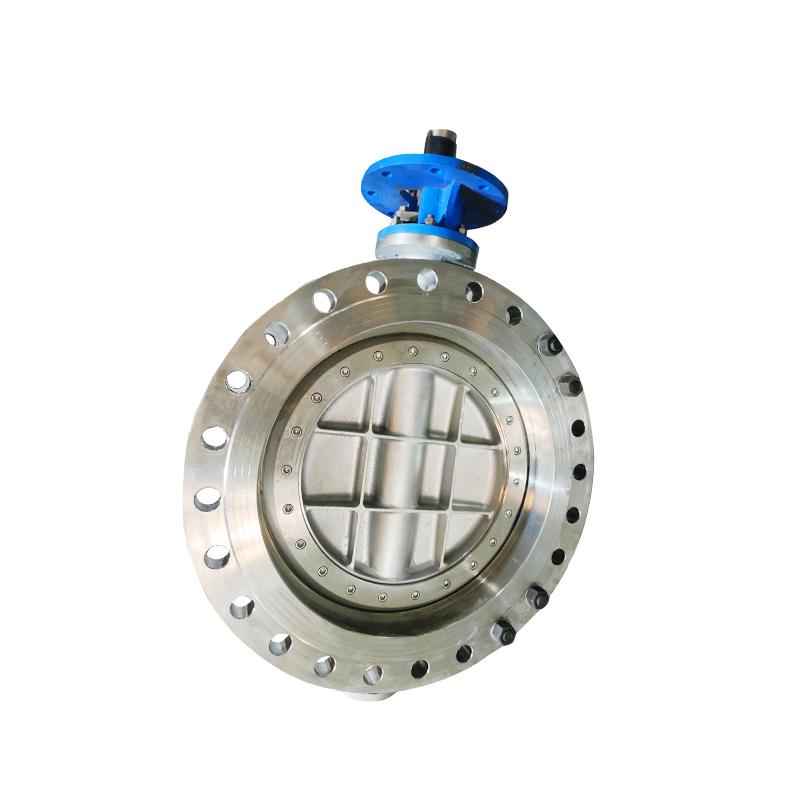
Most inventory plans still use past demand to make future decisions, while the production floor is already running on a schedule. Reading the production schedule means purchasing, kitting, and buffers follow work orders, line cadence, and actual material consumption—not a safety-stock formula recalculated once a month.
When the schedule shifts, inventory signals move with it. A line that speeds up on Tuesday, a component swap in one batch, a delayed work order—these show up in required quantities and dates instead of turning into surprise shortages or excess weeks later.
Inventory becomes an extension of the schedule rather than a hedge against uncertainty. Planners don't need to overstock because forecasts are shaky, and the floor doesn't wait on material when an order changes. Buffers sit where the schedule actually needs them, not spread evenly across every part.
Quality checks that catch a bad seat before it ever ships
Our inspection line includes a series of hands-on checks that go beyond basic visual sweeps. Every seat gets pushed, twisted, and loaded with weights that mimic years of daily use. If a recliner mechanism grinds or a cushion doesn't spring back within a set number of seconds, it's flagged on the spot.
We also use a small pressure-mapping pad to spot uneven foam density before upholstery goes on. That catches soft spots and hard ridges a person might only notice after sitting for an hour. Bolts and brackets are tested with a preset torque wrench, so nothing leaves with a loose rail or a wobbly armrest.
After assembly, each unit spends time on a vibration table that simulates being moved across rough warehouse floors and tailgates. Loose staples, rattling hardware, or fabric that begins to pull away from seams all show up here. Only seats that stay quiet and tight make it to the boxing area.
Direct access to the people who actually design the valve
When you call most valve suppliers, the person on the other end is reading from a catalog they didn't write. That gap between what you need and what they know costs time, money, and occasionally a whole project. Here, the layout is different. The engineers who sized the seat, chose the spring stack, and argued over the clearance tolerances are the same people who answer your questions. You're not handed off to a rotating support queue; you're talking to someone who can pull up the original CAD model and explain why a certain O-ring was specified for your exact pressure range.
This kind of access changes the conversation. Need to know if a standard valve will survive a slightly aggressive media that isn't in the datasheet? You get a straight answer, not a week-long chain of emails ending in a marketing-approved maybe. Want to tweak the port orientation or adjust the cracking pressure? The decision happens in the same room where the part was designed, often while you're still on the call. There's no middleman translating your requirements into someone else's checklist.
It also means feedback doesn't disappear into a suggestion box. If an operator in the field finds a way to make the valve easier to maintain, that note lands directly on a designer's desk. The next revision actually reflects it. That loop between real-world use and the drawing board is rare in this industry, and it only works when the design team isn't hidden behind three departments and a scripted phone menu.
Lead times that survive raw material shortages without drama
Most lead time failures start quietly. A supplier misses a shipment, a safety stock buffer gets used faster than planned, and suddenly the date on the quote means nothing. Teams that avoid this rarely rely on a single forecast. They map the raw materials that actually constrain production, keep a second or third source qualified, and hold less inventory overall but place it where shortages hurt most. The result is a lead time that bends but doesn’t break.
There’s also a habit of treating supplier updates as noise instead of data. When a supplier starts slipping delivery dates in small increments, that pattern shows up weeks before a formal shortage notice. Shops that track those signals can adjust production schedules or tap alternate suppliers without resorting to panic expediting. The goal isn’t a perfect lead time; it’s one that still means something when the market gets tight.
Custom builds and standard parts under one roof, without the handoff chaos
Most projects stall in the gap between who makes the custom piece and who supplies the off-the-shelf part. The drawings go out, the wait begins, and then the revisions come back with assumptions neither side caught. When both live in the same shop, that gap disappears. The person reviewing your frame can walk over to the shelf, grab the standard bracket, and check the fit before it ever reaches your inbox.
That changes the rhythm of a build. Instead of coordinating two vendors and hoping their timelines line up, you get one team accountable for the whole assembly. If a custom mount needs a different hole pattern to match a stock rail, the adjustment happens in conversation, not through a chain of marked-up PDFs. The line between “custom” and “standard” stops being a handoff and becomes a single workflow.
The practical result is fewer delays caused by mismatched expectations. You are not left translating between suppliers or re-checking whether the spec survived the transfer. What gets delivered already reflects how the parts actually work together, because the build never had to leave the room to find that out.
FAQ
Look beyond unit price. A dependable partner shares material traceability, holds tolerances across batches, and can adjust to your spec changes without stalling production. Ask for a clear deviation process and references from customers with similar flow media or operating pressures.
A supplier that keeps buffer stock of common body and disc blanks, or stores finished goods under a call-off agreement, absorbs some demand swings for you. Risk drops further when they provide honest lead times instead of optimistic promises and flag delays before they reach your production line.
The difference is in engineering communication. A good partner assigns one contact who understands your application and asks about media, pressure class, actuation torque, and flange standards early. That prevents the expensive back-and-forth where a minor change arrives as a non-conforming batch.
Private labeling lets you present a consistent product line without carrying tooling or casting capacity. It works when the supplier treats your brand standards as part of the spec: laser marking, paint finish, box layout, manuals. If they treat it as an afterthought, the valves may arrive functional but unbranded or inconsistently marked.
Instead of demanding the lowest unit price, consolidate around fewer valve sizes and agree on quarterly volume bands. Suppliers value predictability. You can also ask for staged delivery, shared forecast updates, and a fixed price window for 12 months, which often delivers more value than a one-time discount.
Testing is where weak partnerships fail. Strong suppliers provide shell and seat leakage test reports, material certificates, and sometimes third-party inspection without being chased. That documentation protects you when your own customers ask for compliance evidence, and it catches problems before valves enter your inventory.
Switch when a supplier repeatedly misses promise dates, hides non-conformances, or forces you to do their quality control. A few late shipments can be managed, but if you are the one discovering defects and pushing for corrective action, the partnership is no longer strengthening your supply chain.
They maintain drawings and revision control for your specific configurations, keep tooling or patterns in good condition, and give advance notice before a material or component is discontinued. That lets you plan last-time buys or qualify an alternative without scrambling during a customer order.
Conclusion
A genuinely useful OEM butterfly valve partnership starts before the purchase order is finalized. The supplier gets involved early enough to decode seat materials, pressure classes, and face-to-face dimensions while your engineers are still on the first revision, so the second revision doesn't turn into another round of clarification emails. Their inventory planning follows your production schedule instead of historical averages, which means the valves you need for next month's build are already staged while slow-moving parts stay off your shelf. Quality checks happen at the supplier's workbench as well, where a warped disc, a torn seat, or a weak stem bushing is rejected before it ever gets packed for shipment. That level of scrutiny cuts the quiet cost of incoming inspection and line-side rework.
What holds the relationship together is access. When there's a question about torque, coating, or flow coefficient, you can talk directly to the people who designed the valve rather than waiting on a distributor to relay the answer. That same connection helps when raw material lead times stretch; the supplier can suggest alternate alloys or adjust machining sequence without turning the whole order into a crisis. Custom-engineered bodies and standard catalog parts are handled in one facility, so there is no awkward handoff between a specials team and a production line. The payoff is less drama in purchasing, fewer surprises in receiving, and a supply chain that bends instead of breaking.
Contact Us
Contact Person: Lucas Lin
Email: [email protected]
Tel/WhatsApp: +8613968913000 / +8613868610141
Website: https://www.zhengmaogroup.com