
Laser Pain Relief: Which One Is Good? Top Picks and Expert Guide
2026-05-21
Pain can be debilitating, and finding effective relief often feels like a never-ending search. Laser therapy has emerged as a promising, non-invasive solution for many, but with so many devices flooding the market, how do you know which one is actually good? In this guide, we cut through the noise with top picks and expert advice—including innovative options from GUANG TAI—to help you make an informed choice.
How Laser Therapy Actually Eases Pain at the Cellular Level
When light of a specific wavelength hits your cells, it's not just a superficial glow—it actually slips through the skin and into deeper tissues without causing heat damage. Inside the cell, tiny structures called mitochondria, often nicknamed the power plants, contain a protein called cytochrome c oxidase. This protein acts like a tiny solar panel, absorbing the photons. That absorption kick-starts a chain reaction that revs up the mitochondria's engine, effectively waking up sluggish cells that are struggling to keep up with the demands of an injured or inflamed area.
Once the mitochondria get that photon boost, they start producing ATP more efficiently—think of ATP as the cellular fuel that powers everything from repair work to normal function. At the same time, the therapy nudges the cell to release a carefully measured amount of reactive oxygen species, which sounds like a bad thing, but in small bursts they actually signal the cell to flip on protective and healing genes. This shift also dials down inflammatory messengers like NF-kB, meaning the loudest pain signals get quieter before they even leave the tissue.
Over a few hours after treatment, the cellular cleanup crew clears out damaged bits and ramps up collagen and blood vessel formation. Nerve cells caught in a cycle of over-firing begin to settle, partly because the inflamed chemical stew around them thins out and partly because the laser helps stabilize their membranes. Instead of just masking the ache, the whole process coaxes the body's own repair systems back on track—which is why the relief tends to outlast the moment the laser is switched off.
Cold Laser vs. High-Intensity: Matching the Device to Your Pain Type
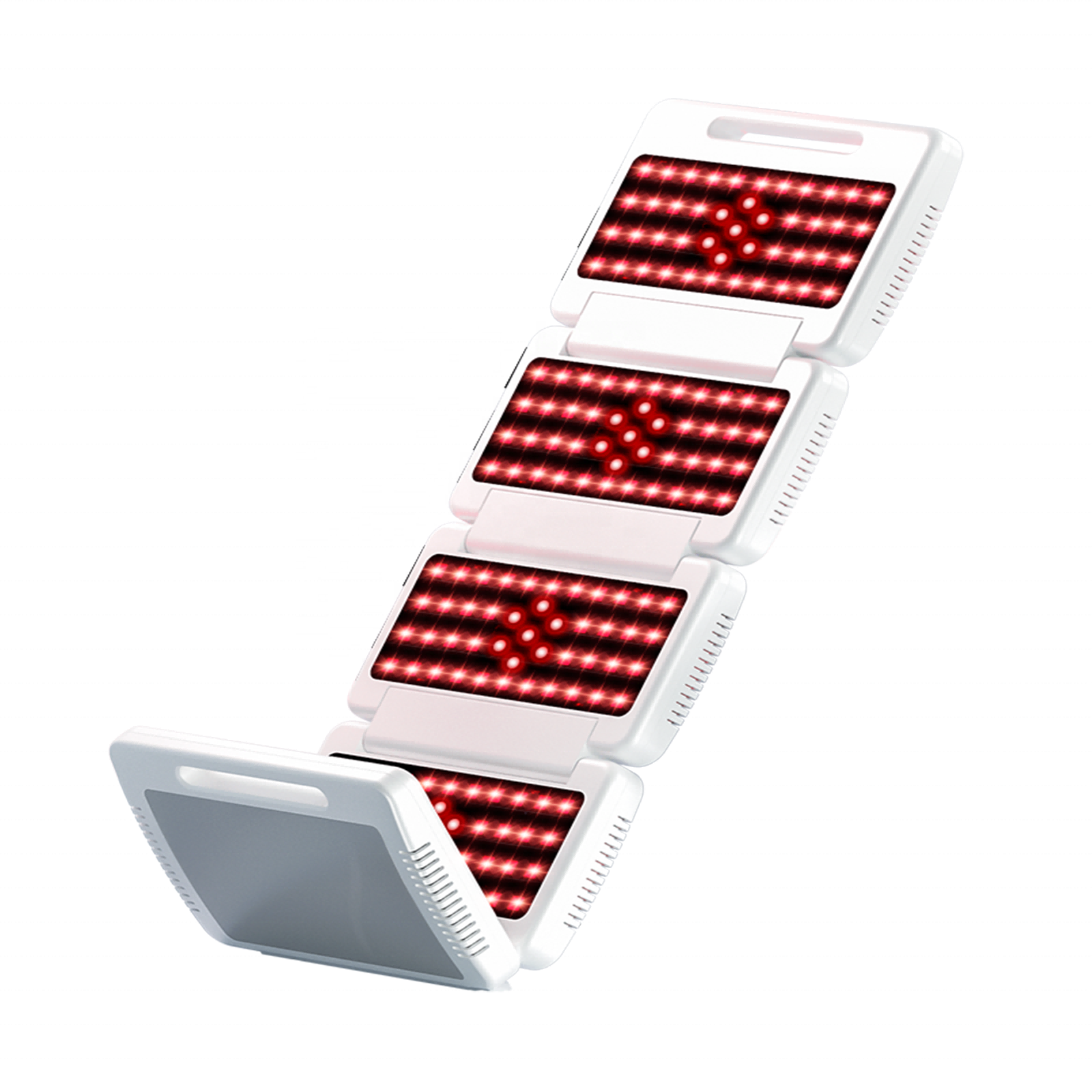
If you're dealing with a nagging chronic condition like arthritis or tendonitis, cold laser therapy often shines because it works gently over time to reduce inflammation and encourage cellular repair. The low-level light doesn't produce heat, so you won't feel much during a session apart from perhaps a subtle warmth where the device touches your skin. It's a strategy built for patience—helping tissues mend at their own pace, which makes it ideal for persistent, dull aches that flare up regularly.
On the other hand, acute injuries or deep muscle knots usually respond better to high-intensity laser, which uses a stronger beam to deliver targeted thermal energy. That heat penetrates deeper, easing muscle spasms and boosting blood flow almost instantly, though you might notice a mild warming sensation that tells you it's working. Think of it as a short-term, more intense intervention when you've twisted your ankle or been stuck with a stiff neck that needs immediate relief. The key is understanding whether your pain is rooted in slow-building inflammation or sudden tissue strain.
For many people, the line isn't always clear, so a combination approach can sometimes be the smartest choice. You might start with high-intensity sessions to break a pain cycle, then switch to cold laser for maintenance and long-term healing. Just remember that neither device is a one-size-fits-all fix—your recovery will depend on correctly matching the technology to how your pain actually behaves, not just what's convenient or trendy at the moment.
Real Users, Real Relief: Stories Behind the Most Popular Picks
For months, Lisa struggled with persistent lower back pain that made even simple tasks unbearable. She cycled through prescription meds, physical therapy, and expensive ergonomic chairs, but nothing offered lasting relief. Then a friend recommended a heated lumbar wrap that had been quietly amassing thousands of five-star reviews. Within a week of using it each evening, the nagging ache faded. Lisa isn’t alone—this unassuming wrap has become a go-to for people tired of temporary fixes.
Jake, a marathon runner, used to dread the post-run shooting pain along his shins. He tried rest, ice baths, and fancy insoles, but the discomfort always returned. Frustrated, he turned to an online community of runners who kept praising a specific pair of compression sleeves. Skeptical but desperate, he ordered a set. “I felt the difference on my very next run,” he says. “No pain, just that steady support.” Those sleeves are now a staple in his gear bag, and he’s not the only one—they consistently top running forums’ must-have lists.
When Emma’s tension headaches started interfering with her work as a graphic designer, she assumed the culprit was screen time. She adjusted her monitors, tried blue light glasses, and even scheduled massages, but the pressure behind her eyes persisted. A coworker suggested a neck and shoulder massager with a cult following. With heat and deep-kneading nodes, it mimicked a therapist’s hands. After a single session, the tightness loosened. Now it sits on her desk, and she credits it for cutting her headache days in half. Stories like these explain why certain products rise above the noise—not through hype, but through real, word-of-mouth relief.
What Experts Look for in a Laser Pain Device Before Recommending It
When assessing a laser pain device, seasoned clinicians first scrutinize the wavelength and power density, as these directly influence therapeutic depth and cellular response. A device that merely looks sleek but delivers inconsistent irradiance won’t pass muster—they want assurance that photons reach the target tissue at levels proven to modulate inflammation and promote repair, not just create a superficial warming sensation.
Beyond specs, the build quality and safety profile weigh heavily. Experts check for legitimate FDA clearance or CE marks, eye protection features, and skin-contact sensors that prevent misuse. They also look for programmable treatment protocols grounded in clinical studies, allowing customization for acute versus chronic conditions, rather than a one-size-fits-all timer. A device that has been trialed in peer-reviewed research and consistently yields reproducible outcomes quickly earns their confidence.
Ease of integration into a busy practice can’t be overlooked. If the interface is counterintuitive or the treatment head too bulky for delicate areas, even a powerful laser may gather dust. Recommendations often hinge on a balance of robust clinical evidence, reliable manufacturing, and practical design—elements that together signal the device wasn’t just rushed to market, but thoughtfully engineered for real-world therapeutic success.
Hidden Features That Make a Laser Device Stand Out
Sometimes it’s the subtle engineering choices that separate a forgettable laser from one that feels essential. Take the beam quality—most people fixate on power ratings, but a genuinely clean, round beam profile with consistent intensity across its diameter is a quiet hallmark of superior optics. It’s not just about brightness; it’s about how predictably that light behaves when you’re trying to align an interferometer or cut a delicate pattern. A device that maintains TEM₀₀ mode even after a rough day in the lab reveals a level of internal stability that doesn’t show up on a spec sheet.
Then there’s the overlooked thermal management cleverness. A well-designed laser doesn’t just slap on a cooling fan and call it a day. It might use thermally matched materials so the cavity length drifts minimally from cold start to full load, or integrate a smart warm-up sequence that gently nudges the temperature to an optimal point without the user even noticing. When a laser quietly avoids mode-hopping during a long measurement session, or doesn’t need half an hour of recalibration after a bump in ambient temperature, that’s not luck—it’s hidden thoughtfulness baked into the chassis.
And what about interface details that feel almost human? A thoughtfully placed indicator that subtly shows when the laser is truly stable, not just powered on. A modulation input that doesn’t require a frustrating impedance matching game. Or a key switch that’s actually designed for repeated use rather than feeling like an afterthought. These aren’t revolutionary breakthroughs, but they’re the sort of quiet finesse that separates a tool you tolerate from one you genuinely enjoy using. In the end, it’s these unadvertised touches that quietly set a device apart in a crowded market.
From First Use to Lasting Comfort: Setting Realistic Expectations
It's easy to believe that something designed for comfort should feel perfect right out of the box. In reality, your body often needs time to adjust—especially if you're switching from an old, unsupportive product. The first few days might feel unfamiliar, but that doesn't mean something's wrong. Think of it like breaking in a new pair of quality shoes: initial stiffness gives way to a custom fit that supports you better over time.
Rather than judging the experience by the first sensation, focus on how you feel after a week of consistent use. Are you waking up with less tension? Noticing fewer aches during the day? These subtle shifts matter more than instant gratification. Comfort that lasts isn't built on a single “wow” moment; it grows quietly as your body aligns with the support it's been needing.
Give yourself permission to go through this short adaptation phase without second-guessing your choice. Small adjustments—like tweaking your routine or how you position yourself—can make a big difference. Realistic expectations mean recognizing that true comfort is a journey, not a switch you flip on day one. Stick with it, and what begins as unfamiliar quickly becomes something you'll miss when it's not there.
FAQ
First, check the wavelength—most effective ones range from 600nm to 1000nm for deep tissue penetration. Power output matters too; higher milliwatts usually mean faster relief. Also, consider portability, battery life, and whether it's FDA-cleared. Some models come with preset treatment modes for different body areas, which can be handy.
Yes, it's mainly about power density. Cold lasers (low-level laser therapy) use lower power and you won't feel heat; they're gentle and good for superficial issues. Hot lasers (high-intensity laser therapy) deliver more energy, can generate warmth, and reach deeper tissues—useful for chronic joint or back pain. The choice depends on your pain type and sensitivity.
For home use, the Handy Cure Laser is a solid pick. It's compact, easy to use with a simple interface, and has a good wavelength (808nm) for muscle and joint pain. Another worthy mention is the Tendlite—budget-friendly, though less powerful, it works well for targeted relief like tennis elbow. Both are non-invasive and don't require protective eyewear under normal use.
It varies, but many feel some relief after 1–3 sessions. Acute pain might respond quicker; chronic conditions often need several weeks of consistent use, like 2–3 treatments per week. Stick with the recommended protocol—don't overdo it thinking more is better. Improvements can be gradual, so keep a pain diary to track subtle changes.
It's a promising drug-free option, especially for those wanting to reduce NSAIDs. It stimulates cellular repair and reduces inflammation at the source. For many, it can cut down the need for pills, but it's not an instant switch. In severe cases, it's a complementary tool—work with your doctor to taper medications while monitoring progress.
Eye safety is key—never look directly at the beam, and wear provided goggles if required. Avoid using on cancerous regions, over the thyroid, or during pregnancy unless cleared by a specialist. Skin photosensitivity meds might also be a concern. Always start with the lowest setting to see how your body reacts, and consult a professional if you have photosensitive conditions.
Conclusion
Laser therapy works at the cellular level by flooding damaged tissues with photons that energize mitochondria, ramping up ATP production and dialing down inflammation. The real trick is matching the laser type to your pain: cold (low-level) lasers are great for superficial issues like tendonitis or skin-level nerve pain, while high-intensity devices dig deeper, breaking up chronic muscle knots or easing joint pain after an old injury. Plenty of people swear by their picks—like the guy whose stiff neck finally loosened after weeks of thought it was permanent, or the runner who got back on the trail thanks to targeted sessions.
When experts vet a device, they’re checking for more than just power output. They want wavelength consistency (usually 800–900 nm for deep penetration), solid safety certifications, and a treatment head that doesn’t overheat. The gems often have unspoken perks: maybe a silent mode for sensitive spots, or a timer that prevents overuse. But don’t expect a magic wand. Initial relief can be quick—a gentle warmth that eases the edge off—but lasting comfort builds over weeks, best paired with stretching or physical therapy. The goal isn’t just fewer pills; it’s waking up feeling looser, ready to move again.
Contact Us
Contact Person: Leon Yi
Email: [email protected]
Tel/WhatsApp: +86 17363316873
Website: https://zzgt.en.alibaba.com/