Highly Specialized Wire Rolling Mills: Unlocking Precision and Efficiency in Modern Manufacturing
2026-03-14
In the rapidly evolving landscape of modern manufacturing, precision and efficiency are not just goals—they are essential benchmarks for success. As industries push the boundaries of innovation, the demand for highly specialized wire rolling mills has surged, driving advancements that redefine what's possible in product quality and production speed. At the forefront of this transformation stands GRM, a leader in engineering cutting-edge solutions that deliver unparalleled performance. This blog delves into how GRM's expertise in wire rolling mills unlocks new levels of precision and efficiency, setting the stage for a deeper exploration of the technologies shaping the future of manufacturing.
Innovations in Wire Rolling Technology for Precision Manufacturing
Wire rolling technology has evolved significantly in recent years, driven by the demand for higher precision in manufacturing sectors such as aerospace, automotive, and medical devices. Innovations include the integration of advanced automation systems that enable real-time monitoring and adjustment of parameters like tension, speed, and cross-sectional dimensions. For instance, smart sensors embedded in rolling mills can detect subtle variations in wire quality, allowing for immediate corrections that minimize defects and enhance uniformity. This shift towards data-driven processes not only improves accuracy but also reduces waste, making production more sustainable and cost-effective.
Another key advancement is the development of novel materials and coatings used in rolling components, such as ceramic or diamond-coated rollers, which offer superior durability and friction reduction. These materials help maintain consistent surface finishes and tight tolerances, even under high-speed operations. Coupled with precision-engineered dies and guides, these innovations ensure that wires meet stringent specifications for applications like microelectronics and fine surgical instruments, where even minor imperfections can compromise performance.
Emerging trends also focus on hybrid techniques that combine wire rolling with other processes, like additive manufacturing or laser treatment, to achieve complex geometries and enhanced properties. For example, post-rolling laser texturing can create customized surface patterns that improve adhesion in composite materials or electrical conductivity in specialized circuits. By pushing the boundaries of traditional methods, these innovations foster greater flexibility and customization in precision manufacturing, enabling industries to produce components with unprecedented levels of detail and reliability.
Enhancing Production Efficiency with Advanced Mill Systems
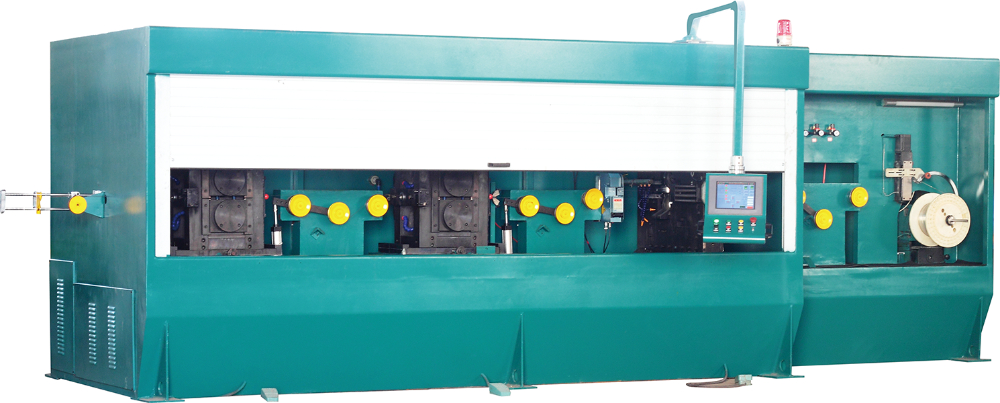
Advanced mill systems are revolutionizing production efficiency across industries by integrating state-of-the-art technologies that streamline operations and reduce downtime. Unlike conventional setups, these systems leverage automation, data analytics, and precision engineering to optimize throughput while maintaining product consistency. Key innovations include smart sensors that monitor equipment health in real time and predictive maintenance algorithms that prevent costly breakdowns before they occur. By minimizing manual interventions, such mills not only accelerate output but also enhance safety for operators, creating a more resilient production environment with fewer disruptions.
Another critical aspect is the adaptability of modern mill systems to diverse materials and custom manufacturing demands. Through modular designs and flexible configurations, they can swiftly adjust to varying specifications without extensive retooling, which is a game-changer in industries like pharmaceuticals or automotive components. This versatility translates into shorter lead times and lower operational costs, making it easier for companies to respond to market shifts. Moreover, the incorporation of energy-efficient drives and recycling mechanisms reduces waste and power consumption, aligning productivity gains with sustainability goals—a dual benefit often overlooked in traditional mill setups that focus solely on speed.
To truly stand out, leading-edge mill systems invest in user-centric interfaces and continuous learning capabilities. By employing intuitive dashboards and AI-driven insights, operators can fine-tune processes on the fly, identifying bottlenecks and improving workflows without extensive technical expertise. This personalized approach not only boosts efficiency but also empowers teams to innovate within their roles. As a result, these systems don’t just enhance production metrics; they foster a culture of agility and smart decision-making, ensuring that efficiency gains are sustainable and scalable over the long term.
Customizable Solutions for Diverse Industrial Applications
Every industry has its unique challenges, from manufacturing floors needing specialized equipment to logistics operations requiring tailored software. Customizable solutions bridge this gap by adapting to specific requirements, ensuring that businesses don't have to settle for one-size-fits-all approaches that can hinder efficiency and innovation. By offering flexibility in design and functionality, companies can address their distinct operational needs, whether it's automating processes in a chemical plant or optimizing supply chains in retail.
What sets these solutions apart is their ability to scale and evolve alongside your operations. Instead of rigid systems that become obsolete as industries change, customizable options provide a foundation that can be modified or expanded. This adaptability means you can respond quickly to market shifts, regulatory updates, or new technologies without a complete overhaul, saving time and resources while maintaining a competitive edge in dynamic sectors like energy or healthcare.
Ultimately, the value lies in personalization; by working directly with providers to integrate features that match your workflow, you minimize downtime and maximize output. This collaborative approach fosters solutions that aren't just effective out-of-the-box but are refined to fit niche applications, leading to better performance and long-term sustainability in diverse fields from construction to finance.
Sustainability Benefits of Modern Wire Rolling Processes
Modern wire rolling processes have revolutionized the industry by significantly curbing energy consumption through the adoption of advanced technologies like high-efficiency motors and optimized heating systems, which not only slash carbon emissions but also lower operational costs, making sustainability a competitive advantage rather than a mere regulatory requirement.
Beyond energy savings, these processes contribute to environmental preservation by minimizing material waste through precise control and improved yield rates; for instance, innovative rolling techniques allow for thinner, stronger wires that reduce raw material usage while enhancing product durability, aligning seamlessly with circular economy principles.
Moreover, modern wire rolling supports a healthier ecosystem by employing cleaner lubricants and recycling water in closed-loop systems, effectively cutting down on chemical runoff and water pollution, thus fostering a responsible manufacturing footprint that resonates with global sustainability goals.
Case Studies: Real-World Impact on Manufacturing Outcomes
In one notable example, a mid-sized automotive parts supplier faced persistent delays in their assembly line, leading to missed delivery deadlines. By implementing a real-time monitoring system for machine performance, they reduced downtime by 40% within six months. This change not only boosted production rates but also improved overall equipment effectiveness, turning a chronic bottleneck into a competitive advantage. The shift allowed the company to secure new contracts and meet fluctuating market demands more reliably.
Another case involves a food processing plant struggling with high defect rates in packaged goods. After adopting advanced vision inspection technology linked to predictive analytics, they slashed product waste by 60% and enhanced quality control. This integration led to a significant increase in customer satisfaction and a reduction in returns, demonstrating how targeted tech upgrades can transform operational outcomes while cutting costs.
A third study highlights a textile manufacturer that overhauled its supply chain with AI-driven forecasting tools. By optimizing inventory and aligning production schedules with demand patterns, they achieved a 25% improvement in on-time deliveries and reduced excess stock by 30%. This strategic move not only streamlined workflows but also strengthened resilience against supply disruptions, showcasing the tangible benefits of data-informed decision-making in manufacturing landscapes.
Future Trends Shaping the Wire Rolling Industry
The wire rolling industry is on the cusp of significant transformation, driven by the increasing adoption of advanced technologies like artificial intelligence and machine learning. These tools enable real-time monitoring and predictive maintenance during the rolling process, minimizing downtime and enhancing product consistency. As manufacturers seek to reduce energy consumption and material waste, smart systems that adjust parameters on the fly are becoming essential, allowing for tighter control over wire diameter and surface quality. This shift not only boosts efficiency but also opens doors to producing more complex, high-performance wires for applications in aerospace and renewable energy sectors.
Sustainability is another major trend reshaping wire rolling operations. Companies are investing in eco-friendly practices, such as utilizing recycled materials and reducing carbon emissions through optimized production methods. The development of low-energy rolling mills and closed-loop cooling systems helps cut environmental impact while meeting stricter regulatory standards. Additionally, the demand for lightweight, durable wires in electric vehicles and infrastructure projects is pushing innovation in alloy compositions and rolling techniques, ensuring that the industry stays aligned with global green initiatives.
Looking ahead, customization and digital integration will play pivotal roles in the wire rolling landscape. With the rise of Industry 4.0, factories are implementing IoT sensors and cloud-based platforms to collect and analyze data across the supply chain. This connectivity allows for tailored wire solutions, from micro-wires for medical devices to large-diameter cables for offshore wind farms, all produced with greater precision and speed. As these trends converge, the industry is poised to become more agile, sustainable, and responsive to evolving market needs, setting a new standard for manufacturing excellence.
FAQ
A highly specialized wire rolling mill is a piece of equipment designed for the precision manufacturing of wire through controlled deformation processes, often tailored to specific materials or end-use requirements.
They utilize advanced control systems, such as automated tension regulation and real-time monitoring, to achieve tighter tolerances and consistent cross-sectional uniformity in wire production.
Industries like automotive (for engine components), aerospace (for lightweight alloys), medical devices (for surgical tools), and electronics (for conductive wiring) heavily rely on these mills for high-quality outputs.
These mills reduce material waste through optimized rolling cycles, lower energy consumption with efficient drive systems, and increase throughput by minimizing downtime for adjustments.
Key features include digital twin simulations for process optimization, AI-driven predictive maintenance, and modular designs that allow quick reconfiguration for different wire diameters or materials.
They incorporate adjustable roll hardness, temperature-controlled environments, and specialized lubrication systems to accommodate materials ranging from steel alloys to advanced composites without compromising quality.
Challenges include high initial investment costs, the need for skilled operators to manage advanced controls, and integration complexities with existing production lines.
Yes, sustainability benefits include reduced scrap rates through precision manufacturing, energy-efficient operations that lower carbon footprints, and the ability to recycle materials more effectively in the production cycle.
Conclusion
Highly specialized wire rolling mills represent a transformative force in modern manufacturing, primarily through advancements that enhance precision and efficiency. Innovations in wire rolling technology, such as automated control systems and real-time monitoring, enable manufacturers to achieve unparalleled accuracy in wire dimensions and surface quality. These technological leaps are complemented by advanced mill systems that streamline production processes, reducing downtime and optimizing throughput. By integrating customized solutions tailored to diverse industrial applications—from automotive to electronics—these mills provide flexibility that meets specific client needs while maintaining high standards. The synergy between precision engineering and efficient operation positions these mills as critical assets in today's competitive manufacturing landscape.
Beyond operational gains, modern wire rolling processes offer significant sustainability benefits, including reduced material waste and energy consumption, aligning with eco-friendly industrial practices. Real-world case studies demonstrate tangible impacts, such as improved product consistency and faster turnaround times, which directly boost manufacturing outcomes. Looking ahead, future trends like the adoption of artificial intelligence and Industry 4.0 principles are poised to further revolutionize the wire rolling industry, driving innovation and adaptability. This holistic approach, combining technological innovation, efficiency, customization, and sustainability, ensures that specialized wire rolling mills continue to unlock new possibilities in precision manufacturing, shaping a resilient and forward-looking industrial sector.
Contact Us
Contact Person: Rayna
Email: [email protected]
Tel/WhatsApp: 86 -173 1474 6343
Website: https://www.grmrollingmill.com/