Glass Bottle Filling Machine Exporter Guide for Global Buyers
2026-11-02
Sourcing glass bottle filling machines from overseas can feel like navigating a maze of specs, compliance standards, and supplier claims. This guide cuts through the noise for global buyers, spotlighting practical tips on capacity, precision, and after-sales support. As an experienced exporter, Wanying Machinery has seen firsthand what separates a smooth purchase from a costly mistake—and we’re sharing that know-how to help you make a confident decision.
Separating Real Glass Bottle Filler Manufacturers from Middlemen
Most real glass bottle filler manufacturers are not shy about showing how their machines come together. Ask them to do a live video walkthrough of the production floor, or better yet, schedule a factory visit. A genuine builder will point out the welding stations, the CNC machining area, and the test rig where fillers are run with water before shipping. Middlemen usually don't have that access—they'll offer a glossy brochure or a quick tour of a showroom stocked with machines they didn't make.
Spare parts and lead times are another giveaway. A manufacturer keeps valves, nozzles, and control boards in stock because they build the machines themselves. If you ask for a replacement filling valve to be shipped urgently, they can usually pull one from the shelf the same day. A broker has to call the actual factory, negotiate a price, and then wait for the part to arrive. That delay not only costs you production time but also reveals exactly where the machine really comes from.
Warranty support separates the two groups fast. Real manufacturers employ their own service engineers who know the wiring loom, the PLC logic, and the quirks of each model. They can often fix a problem over a video call by telling you which sensor to check. Middlemen promise a warranty but then pass your request to an unknown third party. A quick request for three local customer references—and a follow-up phone call—will usually show whether you're talking to a factory or a middleman.
Filler Technology Fit for Your Bottle, Product, and Line Speed
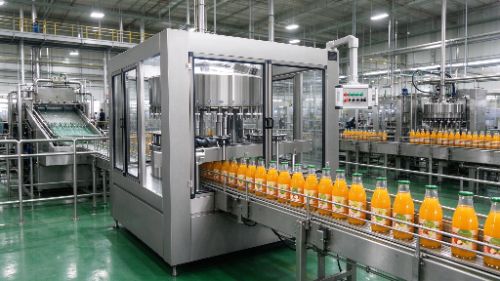
The right filler isn't just about dispensing liquid—it's about matching the machine's architecture to the shape of your bottle, the personality of your product, and the cadence of your line. Whether you're running a slender glass vial at 40 bottles per minute or a wide-mouth jug at 600, the nozzle design, fill height control, and anti-drip system need to work in concert with your container's geometry and neck finish. A mismatch here leads to splashing, foaming, or short fills that no amount of post-line inspection can fix.
For carbonated beverages or viscous sauces, the filling technology shifts dramatically. Counter-pressure fillers keep CO2 in solution, while piston or servo-driven pumps handle high-viscosity products without shearing or aeration. Line speed then becomes the third variable: a filler that works flawlessly at 80 containers per minute might create turbulence at 200, forcing you to redesign the filling valve or add a settling zone. The best lines treat filler selection as a three-way negotiation between bottle, product, and throughput—not a one-size-fits-all purchase.
Build Materials and Component Quality Worth Checking in Person
When you can actually touch a product before buying, subtle differences in material quality become obvious. Look beyond the spec sheet: press on surfaces to feel for flex, check if edges are finished smoothly, and inspect how tightly components fit together. Cheaper plastics often have a hollow, brittle sound when tapped, while denser materials feel more solid and resistant to twisting. These are things no photo or video can reliably convey.
Pay attention to high-wear points like hinges, zippers, handles, or connectors. Gently operate moving parts several times to sense whether they glide with consistent resistance or feel loose and gritty. Also check for uniform gaps between panels and for coatings that might peel or scratch easily. Small inconsistencies in these areas often hint at lax quality control, even if the overall design looks impressive.
Freight, Crating, and On-Site Setup for International Deliveries
When shipping equipment across borders, the real test isn't just getting the crate onto a plane or ship—it's what happens after it clears customs. We coordinate multimodal freight routes that account for dimensional weight, fragile components, and time zones where a missed connection means days of delay. Every shipment gets a custom crating plan, using vibration-dampening materials and moisture barriers that have survived everything from monsoon-season ports to unheated cargo holds. The goal is simple: the machine arrives exactly as it left your facility, with no surprises hiding under the pallet wrap.
On-site setup for international deliveries starts before the truck even pulls up. Our crews fly ahead to verify door widths, power specs, and rigging points, so when your equipment lands we aren't improvising. We coordinate local riggers who know the building codes, handle the safe offloading from container to installation site, and stay through full commissioning. If a crate shows up with damage, our team documents it immediately, manages the insurance claim, and swaps out affected parts from our regional parts hub—so a dented frame doesn't turn into a two-week standstill.
What sets this apart is that we don't hand off responsibility at the dock. One project manager tracks your delivery from factory floor to final bolt tightening, giving you a single point of contact across customs brokers, freight forwarders, and installation technicians. You get a shared live tracker, not a string of emails with different carriers. And because we've already mapped common failure points—from incorrect HS codes leading to customs holds to forklift operators ignoring crate labels—we build in buffer days and backup routing without turning your budget into a guess.
Certifications, Voltage, and Import Paperwork Done Right
Bringing in electrical goods without certification proof is a fast way to lose a shipment at the border. Look for marks that match your destination—UL or ETL for North America, CE for the EU, UKCA for Britain—and don't assume a single certificate covers every product variant. Voltage is just as critical: a unit wired for 120V/60Hz won't behave the same on a 230V/50Hz grid, and customs officers know that. Confirming both before shipment saves you from rejected entries and costly rewiring later.
Cargo clearance rarely stalls because of one big error; it stalls because of small, fixable inconsistencies. The invoice, packing list, and permits need to describe the same product in the same way, right down to the model number and country of origin. If your tariff classification is vague or the declared value doesn't match the purchase order, expect a hold. Spending an extra hour cross-checking these details before the bill of lading is cut keeps your freight moving and prevents storage fees that eat your margin.
Support After the Sale That Actually Shows Up
You likely know the pattern: the sales team is all smiles until the invoice clears, then every voicemail goes unanswered and the warranty card feels like a formality. We built our after-sale process to break that habit. When you call with a question about installation, a real person picks up—usually someone who already knows your order history. No ticket numbers, no transfer roulette. If a part fails under warranty, we ship the replacement before you send the original back, because waiting shouldn't be part of the deal.
A few weeks after delivery, you'll hear from us again. Not an automated satisfaction survey, but a short note from the same person who handled your order. They'll ask how the product is holding up, not to upsell, but to catch small issues before they become big ones. Last year, one of those calls caught a misrouted firmware update on a batch of units and we fixed it remotely within a day—nobody had to file a complaint.
For us, support isn't a department you get bounced to. It's the same team that sold you the product, keeping the promise they made before you paid. If something goes wrong, we show up. That's the whole point.
FAQ
Ask for the exporter's own factory audit report, not just a brochure. Look for details like the number of completed lines shipped in the last 12 months, the in-house testing area size, and whether they can give you references from buyers filling similar bottle shapes. A serious exporter often shares unedited videos of machines being assembled and tested before dispatch.
Request a trial run with your actual bottles before final payment. Many exporters offer a paid sample testing service where you ship 50 to 100 empty bottles and they record the filling, capping, and labeling process. This catches neck finish mismatches, unstable bottle bases, or glass thickness differences that generic specs miss.
The machine's final cost can jump sharply if the exporter quotes only ex-works price. You need to confirm whether the quote covers wooden crate export packing, port handling, marine insurance, and whether spare parts shipped later are taxed differently. In some countries, filling machines with electronic controls face extra import duties, so ask the exporter for the correct HS code and previous customs documents.
The changeover time between bottle sizes. A machine that fills 500ml and 1-liter bottles may need 30 minutes of manual adjustment or 5 minutes with servo-driven guides. If your market demands frequent size switches, write a maximum changeover time into the contract. Also specify who pays if the machine fails to meet that time during the on-site acceptance test.
Start by listing your top three production bottlenecks, then give that list to the exporter and ask for a stripped-down configuration. Many exporters push touchscreen recipe storage, remote diagnostics, or extra rinsing stations because those raise margins. If you only run one bottle size with a single product, a simpler PLC with manual dials may be more reliable and easier to repair locally.
Ask for a written spare parts list with part numbers and lead times, not just a vague 'one-year warranty.' Include the cost of a technician's travel for installation and training, or at least a live video commissioning session. Also confirm whether the exporter provides wiring diagrams, PLC backup files, and an English maintenance manual with clear exploded views.
This usually happens when the exporter sells a standard design but has to source key parts like filling nozzles, sensors, or gearboxes after receiving the deposit. Before signing, ask for a production schedule with milestones tied to payments, and require photos or videos at each milestone. A trustworthy exporter often keeps critical components in stock for popular models.
That depends on your labor cost and order consistency. If you have reliable workers and bottle volumes below 2,000 per hour, a semi-automatic 4-head filler with a manual capper may pay for itself faster. But if you are shipping to retailers who penalize late deliveries, an automatic monobloc system with synchronized filling and capping reduces human error and helps you meet tight deadlines.
Conclusion
Finding a genuine glass bottle filling machine exporter takes more than a quick online search. Too many listings hide middlemen who never touch the equipment, so ask for factory photos, video walkthroughs, and a real production address before you commit. Even then, the filler itself has to match your bottle shape, product viscosity, and target line speed—don't settle for a one-size-fits-all pitch. If possible, visit the workshop and inspect frame welds, valve materials, and the quality of sensors and PLCs. A machine that looks fine in a brochure can reveal rough edges in person, and those details decide how long it survives daily use.
For international deliveries, freight and crating are just as important as the machine itself. Solid export crates, clear Incoterms, and a crew that knows how to install and calibrate on-site prevent costly surprises at your dock. Before signing, double-check certifications (CE, UL, or your local equivalents), confirm voltage and frequency, and have the exporter handle import paperwork with actual shipping marks and HS codes. Once the line runs, the real test is support: will they answer a call at 2 a.m. your time, send replacement parts without a customs mess, or walk your technician through a fault code? A trustworthy exporter proves itself after the sale, not just in the quote.
Contact Us
Contact Person: Tyson
Email: [email protected]
Tel/WhatsApp: +8613396971296
Website: https://www.wanyingmachinery.com