
FRP Structure Supplier: How to Choose a Reliable Partner for Durable Projects
2026-08-24
Choosing an FRP structure supplier isn't a box-ticking exercise—it's a decision that determines whether your infrastructure stands for decades or demands costly repairs. The market is crowded with promises of high strength and corrosion resistance, but few deliver when conditions get harsh. Here's how to evaluate candidates and why Sino Grating is a name worth shortlisting for projects that can't afford compromise.
What Separates a True FRP Fabricator From a Reseller?
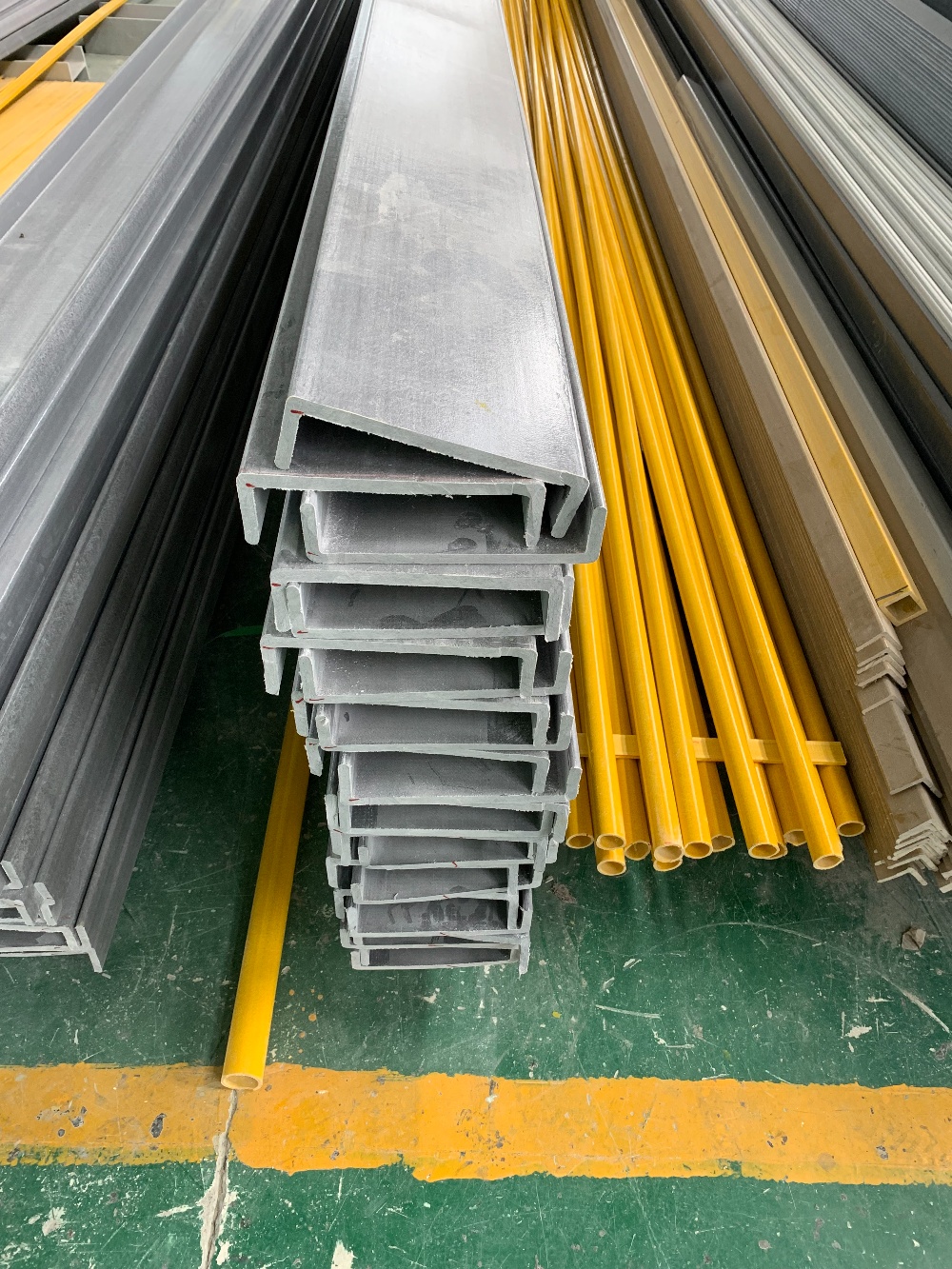
A genuine FRP fabricator owns the entire production process—from tooling design and raw material selection to curing and quality control—rather than simply purchasing pre-made panels from an outside supplier. This hands-on control allows them to tailor laminate schedules, resin systems, and core materials to the exact mechanical and environmental demands of each project, instead of relying on whatever stock a distributor happens to carry.
True fabricators also stand behind their work with in-house testing and traceability. They can tell you the specific glass transition temperature of the resin they used, the orientation of each layer of reinforcement, and why a particular gel coat was chosen for chemical resistance. A reseller, by contrast, often lacks the ability to verify structural integrity or explain failures—when something goes wrong, the answer is usually limited to "we'll contact the manufacturer."
Finally, real fabrication shops are problem-solvers, not order-takers. They regularly modify existing molds, engineer custom flanges or stiffeners, and adjust thickness on the fly to accommodate field conditions. If you need a one-off duct fitting, a repair laminate that matches a 20-year-old structure, or a panel with an unusual fire rating, a fabricator can do it in-house; a reseller can only sell you what's already in the catalog.
Ask for Batch-Level Test Reports Before You Commit
Before you merge a set of changes, ask for the batch-level test report instead of relying on per-commit checks. A single passing diff tells you very little about how it interacts with the rest of the queue. Batch reports surface cross-module failures, flaky tests, and resource contention that only appear when several commits are exercised together. Skipping this step often means pushing a green patch that breaks the mainline minutes later.
You also want the fuller failure landscape, not isolated snapshots from your own branch. A batch report reveals conflicts with a teammate's schema change or a shared fixture returning unexpected data before you commit. That wider view lets you adjust ordering, add a missing dependency, or hold the change instead of digging through logs after the build goes red.
Look for a Track Record in Corrosive or High-Stress Environments
Real proof shows up when equipment isn't pampered. A supplier worth your time can point to installations where salt spray, acidic fumes, or constant thermal cycling are daily facts of life, not rare test scenarios. Ask for case studies from chemical plants, offshore platforms, or heavy machining lines. If they hesitate or only offer lab data, keep looking.
Longevity under stress isn't about a single impressive spec sheet. It's the accumulated evidence of seals that didn't crack after five winters, coatings that resisted pitting near brine tanks, and fasteners that maintained clamp load despite vibration and temperature swings. The best references come from maintenance teams who stopped counting replacements once they switched vendors.
Don't settle for a sales pitch about 'harsh environment readiness.' Dig into failure rates, warranty claims, and field retrofit histories. A genuine track record includes the inconvenient details: the one batch that had to be reworked, the recall that was handled swiftly, the design tweak born from a customer's complaint. That's how you separate marketing gloss from engineering maturity.
How Custom Engineering Support Shortens Your Project Timeline
When engineering support is built around your specific product requirements, the usual back-and-forth that eats weeks of schedule simply disappears. Instead of forcing a generic solution to fit, the team can move straight into prototyping and validation, catching integration issues before they become late-stage surprises.
Custom support also means the people helping you already understand your constraints—materials, certifications, tolerances, and the production environment. That context cuts down on miscommunication and lets design revisions happen in days rather than cycles of waiting for clarification.
A shorter timeline doesn't come from rushing, but from eliminating the gaps where nothing moves forward. With dedicated engineering input aligned to your goals, the path from concept to handoff becomes more direct, and you spend less time managing coordination and more time advancing the build.
Why On-Time Delivery Depends on In-House Pultrusion Capacity
Most manufacturers treat pultrusion as a purchased commodity, but that assumption collapses the moment a resin batch runs short or a third-party line goes down. In-house pultrusion capacity eliminates the hidden handoffs that erode delivery promises. Your scheduling team can see actual cure times, pull speeds, and die changeovers instead of waiting for a supplier's weekly status report.
The real advantage shows up in the exceptions. A customer shortens a deadline, a profile needs a last-minute reinforcement change, or a quality check flags a void in a sample. With internal capacity, those issues get resolved in hours—not through a chain of emails, purchase order amendments, and freight re-quotes. You keep the tooling, the process parameters, and the people who know both under the same roof.
Beyond responsiveness, internal pultrusion builds a feedback loop between design and production. Engineers can test a new resin system or a slightly different glass loading on the same line that will run the production order. That loop directly protects delivery dates because the production team isn't learning on a customer's critical order. When the schedule slips, you can also shift labor or run an extra shift without negotiating with an outside shop that has its own backlog and margin targets.
The Hidden Cost of Skipping a Factory Audit
Most buyers see a factory audit as an added expense that can be postponed. The real problem starts after production, when a missed audit means nobody verified the facility’s equipment maintenance, raw material storage, or quality control steps. A shipment that arrives with high defect rates forces you into costly sorting, repairs, or returns, and the rush to replace stock often means paying premium freight.
Skipping the audit also leaves you blind to risks that don’t show up on a spec sheet. A factory under financial strain may cut labor hours, substitute cheaper components, or ignore safety protocols just to stay afloat. Once those issues reach your customers, you’re not just covering refunds—you’re handling legal exposure, regulatory fines, and the internal time lost to crisis management.
What rarely gets calculated is the long-term damage. A recall linked to an unvetted supplier can push retail buyers to delist your products and make consumers hesitate the next time they see your brand. Rebuilding that trust costs far more than any audit, and unlike a one-time inspection, the reputational hit lingers for years.
FAQ
Look for a supplier who asks about load conditions, chemical exposure, UV levels, and thermal cycling before quoting. If they only talk about resin type and fiberglass percentage without connecting those to your specific failure modes, they are selling materials, not structural solutions. A reliable partner will walk you through creep, fatigue, and deflection limits with real test data from similar installations.
Request mill certificates and third-party test reports for flexural strength, interlaminar shear, and glass transition temperature. Better yet, ask for samples from the same production line that would serve your order, not showroom pieces. A supplier worth trusting will let you visit the pultrusion or molding floor and watch how they control resin wet-out and cure cycles.
Off-the-shelf profiles rarely fit the exact load path or connection detail of a durable structure. A supplier with strong in-house engineering and CNC cutting, drilling, and bonding can adjust laminate schedules or add local reinforcement where stress concentrates. That flexibility prevents field modifications that often void warranties or create hidden weak points.
Ask for case studies that name the chemicals, temperature swings, and exposure duration, not just 'chemical plant' references. Then request contact information for the maintenance team at those sites. If the supplier hesitates to connect you with past clients, treat that as a warning sign. Direct feedback on fading, surface erosion, or joint loosening after five years tells you more than a polished brochure.
Compare their quoted delivery against raw material inventory and shop capacity. A supplier who promises unusually fast turnaround for complex pultrusions or large molded gratings may be skipping quality checks or outsourcing to unfamiliar fabricators. Ask for a production schedule with inspection hold points, and verify that their curing ovens or molds are not already overloaded with other orders.
They should provide written installation tolerances, torque values for bolted connections, and repair procedures for accidental impact damage. The best suppliers offer a site visit during the first critical weeks and a clear escalation path if deflection measurements drift beyond design assumptions. Avoid partners who treat delivery as the end of the relationship; durable projects need ongoing advice on inspection intervals and surface maintenance.
Almost never. A low bid often means thinner walls, lower glass content, cheaper resin systems with poor UV inhibitors, or skipped quality documentation. Compare total cost of ownership: a slightly more expensive FRP structure that lasts twenty years without major repairs is cheaper than a bargain that needs replacement in five. Ask bidders to break down material, labor, testing, and warranty reserves so you can see exactly where they cut corners.
Give them a simplified load case and see if they challenge your assumptions about connection stiffness or thermal expansion. A capable supplier will point out that FRP behaves differently from steel and may recommend changes to bolt spacing, laminate orientation, or support locations. If they accept your drawings without any technical comments, they are likely just fabricating to print, not engineering for long-term durability.
Conclusion
Selecting an FRP structure supplier goes far beyond comparing quotes—it starts with verifying whether you're dealing with an actual fabricator or just a middleman. A genuine manufacturer controls the pultrusion process in-house, which directly impacts delivery reliability and quality consistency. Before signing anything, insist on batch-level test reports that show mechanical properties for your specific resin and fiber combination, not generic datasheets. Equally telling is the supplier's history in corrosive or high-stress settings: if their structures have survived chemical plants, marine splash zones, or heavy industrial loads, that real-world evidence means more than any marketing claim. Custom engineering support also matters more than most buyers realize; a partner who can refine connection details and load paths early on often prevents costly redesigns and keeps your project schedule from slipping.
On-time delivery rarely happens by accident—it depends on having enough pultrusion capacity under the supplier's own roof. When a fabricator shares capacity with other clients or subcontracts production, your deadlines become someone else's afterthought. That hidden risk is exactly why skipping a factory audit is a mistake. Walking the floor reveals whether their quality system is real or just paperwork: check raw material storage, cure ovens, cutting tolerances, and how they handle rejected parts. A supplier who welcomes an audit and shows you batch traceability from resin lot to finished beam is far more likely to deliver durable FRP structures that perform for decades, not just until the warranty expires.
Contact Us
Contact Person: Nicholas Zhu
Email: [email protected]
Tel/WhatsApp: 18921275456
Website: https://www.sino-grate.com