
Eco-Friendly Flame Resistant Clothing: Sustainable Safety Solutions for a Greener Workplace
2026-07-17
Imagine a workplace where safety doesn't come at the expense of the planet. In a world increasingly aware of its environmental footprint, eco-friendly flame resistant clothing is emerging as the sustainable choice for protective gear. This isn't just about meeting regulations; it's about redefining safety for a greener era. At the forefront of this innovation is DROTEX, crafting solutions that protect both workers and the world they live in. But what makes this shift so crucial, and how can your business make the switch without compromising on protection? Let's dive into the fabric of a safer, more sustainable future.
What Makes Flame-Resistant Workwear Eco-Conscious?
Flame-resistant workwear has traditionally relied on chemical treatments that pose environmental risks, but a shift toward eco-conscious alternatives is changing the landscape. Manufacturers are now opting for inherently flame-resistant fibers like modacrylic, aramid, or even naturally fire-retardant wool, which eliminate the need for harsh chemical finishes. These materials not only reduce the release of toxins during production and washing but also offer extended garment lifespans, cutting down on textile waste. By choosing durable, untreated fabrics, companies can protect workers without compromising the planet.
Another key aspect is the adoption of sustainable manufacturing processes. Eco-conscious brands are investing in closed-loop water systems, renewable energy, and low-impact dyes to minimize their carbon footprint. Some even incorporate recycled materials, such as reprocessed aramid fibers or post-consumer polyester, into their FR garments. This circular approach diverts waste from landfills and lessens the demand for virgin resources, making the entire lifecycle of the workwear more environmentally responsible.
Finally, responsible end-of-life management sets eco-conscious FR workwear apart. Companies are designing products with recyclability in mind, ensuring that once a garment is no longer safe for use, its components can be reclaimed and repurposed. This shift away from a linear 'take-make-dispose' model not only conserves resources but also fosters a culture of sustainability within industrial sectors, proving that safety and environmental stewardship can go hand in hand.
Material Innovations Driving Sustainable Safety Apparel
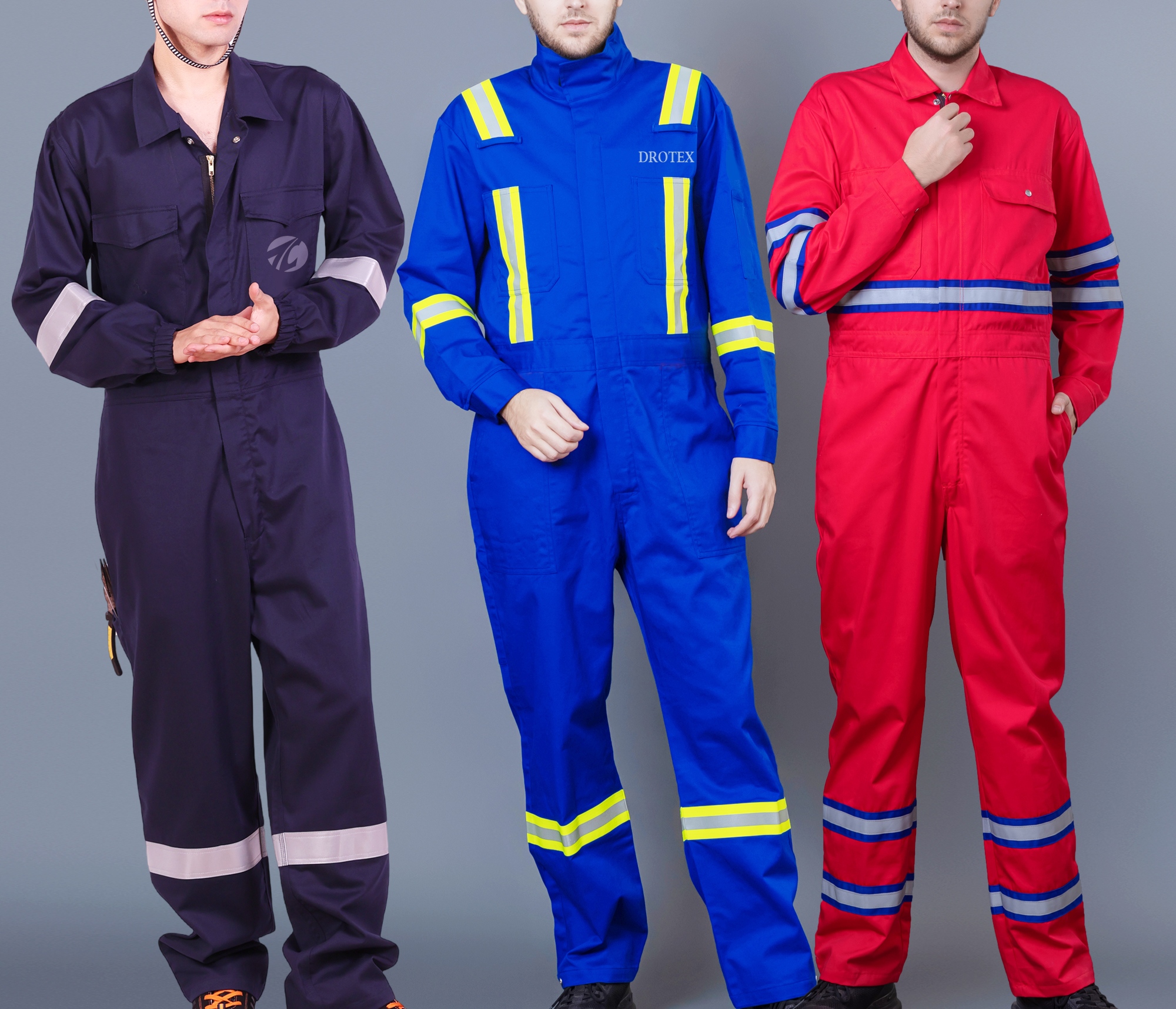
High-performance safety gear has long relied on petroleum-based synthetics, but a quiet revolution is reshaping the field. Today’s protective textiles blend recycled aramids, bio-based polyethylene, and reclaimed nylon without sacrificing heat resistance or cut protection. These materials cut manufacturing waste by up to 40% and often weigh less than their conventional counterparts, reducing wearer fatigue over long shifts.
The shift goes beyond swapping fibers. New non-woven processes fuse reclaimed carbon and natural rubber into puncture-resistant layers that rival Kevlar-based composites at a fraction of the environmental cost. Factories in Europe and North America now run closed-loop water systems and solvent-free coatings, tackling the hidden pollution behind “green” certifications. Durability testing shows these earth-conscious designs outlast traditional gear in wash-and-wear cycles, debunking the myth that sustainable means disposable.
What’s often overlooked is how material science is enabling circularity without compliance headaches. Embedded RFID threads now carry full lifecycle data, so a jacket can be sorted, sterilized, and mechanically recycled into the same grade of fabric—not downcycled into insulation. Early adopters in construction and chemical sectors report lower total cost of ownership, driven by longer service intervals and buy-back incentives. The real breakthrough isn’t a single wonder-fiber; it’s an ecosystem where safety, planet, and profit align through smarter raw inputs.
Balancing Heat Protection and Environmental Responsibility
Staying cool shouldn't come at the planet's expense. Traditional heat protection often relies on energy-intensive air conditioning or materials laden with harsh chemicals. We're rethinking that equation—designing solutions that shield you from extreme heat while actively reducing environmental harm. It's a delicate equilibrium, but one we believe is non-negotiable.
Our approach integrates phase-change materials derived from bio-based sources, capable of absorbing and releasing heat without constant power. Coupled with reflective, passively cooling textiles, we keep indoor and outdoor spaces comfortable without the carbon hangover. Every product is engineered for circularity, meaning its end-of-life is as clean as its performance.
What truly sets this apart is the recognition that human comfort and ecological stewardship are not opposing forces. By prioritizing renewable inputs, closed-loop manufacturing, and rigorous life-cycle assessments, we're proving that you can have high-performance thermal management that gives back to the environment—not just takes from it.
The Lifecycle of Biodegradable Protective Clothing
From the moment a biodegradable protective garment is conceived, its journey is shaped by a commitment to circularity. Unlike conventional synthetics that linger for centuries, these textiles begin with renewable resources—plant-based fibers, bio-polymers, or protein-derived materials—sourced and processed with low-impact methods. Even the dyes and finishes are chosen for their ability to break down harmlessly, ensuring every element of the garment is aligned with nature’s cycles. This initial phase sets the stage for a product designed not just for protection, but for a graceful return to the earth.
In service, the clothing performs just as reliably as its traditional counterparts, shielding wearers in healthcare, cleanrooms, or hazardous environments. Yet its true distinction emerges after disposal. When the garment reaches the end of its useful life, it enters a managed compost stream—or in some cases, is designed to degrade in home compost conditions. Microbes and moisture kickstart the breakdown, fragmenting the material into water, carbon dioxide, and biomass within months rather than millennia. Special coatings that once repelled fluids now disintegrate alongside the fabric, leaving no toxic residues or microplastic pollution.
The final stage is reintegration: what was once a shield becomes soil nourishment. The resulting compost enriches agricultural land, completing a loop that mirrors nature’s own rhythms. Facilities that process these garments operate at lower temperatures than incineration, reducing energy use and emissions. This lifecycle challenges the throwaway culture by proving that single-use doesn’t have to mean waste—it can be a temporary assignment in a material’s long, useful existence.
Certifications That Validate Green Flame-Resistant Gear
Sifting through eco-labels on flame-resistant gear can feel like navigating a jungle of logos and claims. The right certifications cut through that noise. They’re not just stamps of approval; they’re your proof that the gear protects without quietly harming the planet. Look beyond generic greenwashing symbols and focus on marks that weigh material safety, manufacturing footprint, and end-of-life disposal equally.
A standout to watch for is the OEKO-TEX® STANDARD 100. Unlike certifications that glance only at performance, this one screens every component—from threads to zippers—for harmful substances. It’s reassuring to know that the FR chemistry safeguarding your crew isn’t leaching toxins. Pair this with a bluesign® system partner label, which tracks resource efficiency at the factory level, and you’re checking both the product and the process behind it.
Finally, don’t ignore single-attribute certifications that tackle specific hidden impacts. The Cradle to Cradle Certified® mark, for instance, evaluates whether a garment is designed to be safely returned to the earth or remade into new gear. Combined with Standard 100’s chemical assessment, these certifications build a layered trust that goes far beyond simple flame resistance—they validate that your gear is truly built for a cleaner future.
How Sustainable FR Clothing Enhances Workplace Culture
When a company makes the switch to sustainably sourced flame-resistant clothing, it sends a quiet but powerful message to the workforce: your safety and the world you live in both matter. Employees notice when their protective gear isn't just functional but also thoughtfully produced, from reduced chemical usage to ethically sourced fibers. That awareness fosters a sense of pride, making people feel like they're part of an organization that looks beyond the balance sheet. Over time, this can shift the entire emotional tone on a worksite — less transactional, more human.
There's also a shared commitment that takes root when teams wear garments designed with both durability and a smaller footprint in mind. Discussions about sustainability can turn into collective action, whether it's participating in a recycling program for worn uniforms or simply talking about why fabric choices matter. These interactions build a culture where people feel connected to something larger than their daily tasks, and that sense of purpose often translates into stronger collaboration and a more supportive atmosphere.
Perhaps most telling is the way such clothing influences everyday behavior. When workers see that management has invested in gear that protects them without harming the environment, it sets a standard of care that tends to ripple outward. People begin holding themselves and each other to higher expectations — not just around safety compliance, but around looking out for one another. That kind of organic, values-driven shift is hard to mandate from the top down, yet it quietly reshapes a workplace from the inside out.
FAQ
Eco-friendly flame-resistant clothing uses materials like organic cotton, recycled aramid fibers, or bio-based flame retardants. Manufacturing processes minimize water usage, reduce carbon emissions, and avoid harmful chemicals. Some garments are designed for recyclability or biodegradability at the end of their life cycle.
These garments undergo the same rigorous testing as traditional options—meeting standards like NFPA 2112 or ASTM F1506. The flame resistance comes from inherently fire-resistant fibers or durable treatments that don't wash out, ensuring consistent protection throughout the garment's life.
Industries with high fire risks, such as oil and gas, electrical utilities, welding, and chemical processing, see direct benefits. However, any workplace wanting to combine safety with sustainability goals—like construction or manufacturing—can benefit, especially as corporate responsibility becomes a priority.
Yes, many sustainable options are designed with breathability and moisture-wicking properties. Fabrics like lyocell blends offer softness, while modern ergonomic designs ensure ease of movement. Comfort isn't sacrificed; often, these garments feel lighter and less restrictive than older flame-resistant workwear.
Common materials include modacrylic blends, recycled polyester, organic cotton treated with non-toxic flame retardants, and innovative fibers like TENCEL™. Some brands use naturally fire-resistant materials such as wool, or incorporate recycled content from industrial waste.
Follow fabric-specific care labels—typically machine wash cold with mild detergents, avoid bleach or fabric softeners, and tumble dry low. Proper care maintains flame resistance and reduces environmental impact. Repairs instead of discarding items also extend lifespan and reduce waste.
Upfront costs might be slightly higher due to ethical sourcing and eco-friendly production, but the durability and longer lifespan often offset this. Bulk purchasing and long-term use reduce overall expenses, and many companies find the investment aligns with cost-saving sustainability initiatives.
Switching demonstrates commitment to environmental stewardship, boosts brand image, and often meets regulatory or internal sustainability targets. It protects workers without compromising safety and can lead to reduced long-term costs through durable, high-quality garments. Plus, employees appreciate wearing comfortable, responsibly made gear.
Conclusion
Eco-friendly flame-resistant clothing redefines workplace safety by integrating sustainability without compromising protection. At its core, this apparel is made from renewable, recycled, or bio-based fibers—such as organic cotton blends, recycled aramids, or innovative materials derived from agricultural waste—that naturally resist flames without toxic chemical treatments. These choices drastically reduce the garment’s carbon footprint and water usage during production. Beyond the materials, true eco-consciousness considers the entire lifecycle; from ethical sourcing to end-of-life disposal, brands are now designing garments that can biodegrade safely or be recycled, closing the loop in a circular economy. This holistic approach ensures that protecting workers from thermal hazards doesn’t come at the expense of the planet.
Balancing heat protection with environmental responsibility demands rigorous certification and a shift in workplace culture. Trustworthy green FR clothing carries third-party labels like OEKO-TEX or GOTS, which verify both ecological integrity and performance standards. Such transparency builds confidence and signals a company’s commitment to values beyond profit. Adopting sustainable safety gear also transforms the workplace internally—employees feel valued when their well-being and the environment are prioritized, leading to higher morale and a collective sense of purpose. As material science continues to advance, with breakthroughs in recyclable high-performance fibers, the future of protective apparel looks increasingly resilient and responsible, proving that safety and sustainability are not competing goals but complementary essentials for a greener, safer workplace.
Contact Us
Contact Person: Sandy
Email: [email protected]
Tel/WhatsApp: 86150 8310 5120
Website: https://www.frdrotex.com