China Waterproof Webbing for Durable Outdoor and Marine Use
2026-08-31
When gear fails in the middle of a downpour or a salt-sprayed deck, the culprit is rarely the obvious one. It's the webbing—the overlooked strap that holds everything together. That's why serious outfitters and boat builders are turning to a different kind of supplier: YONGFENG, a China-based manufacturer whose waterproof webbing is engineered for exactly these punishing conditions. In this post, we'll unpack what makes their material stand up to rot, UV, and relentless moisture—and why it's becoming the quiet backbone of durable outdoor and marine gear.
The Hidden Flaw in Most Outdoor Webbing
You’ve probably trusted that flat nylon strap on your backpack, hammock, or roof rack without a second thought. Yet most outdoor webbing fails in a way nobody talks about: not from a sudden snap, but from slow, quiet degradation inside the weave. The fibers rub against each other under load, especially where the webbing feeds through a buckle or carabiner, and that internal abrasion gradually chews away at the yarns. By the time you notice fuzzy patches or a faded stripe, the breaking strength may have dropped far below its printed rating.
The real culprit is often moisture trapped between the woven layers. Nylon and polyester webbing both wick water, but nylon absorbs it deep into the fiber itself, swelling and becoming weaker when wet, then stiffening as it dries. Repeated soak-dry cycles create micro-cracks along the filament surface, which then act like tiny saw teeth every time the strap flexes. UV exposure accelerates the process, but even gear stored indoors can develop this hidden damage if it was packed away damp just once.
Spotting the flaw before it fails takes more than a visual once-over. Run your fingers along the full length and feel for hard spots, thin zones, or a crunchy texture under the surface—sure signs of internal fiber breakage. Better yet, invest in webbing made from ultra-high-molecular-weight polyethylene or a polyester with a tight, flat weave and hydrophobic coating. And if a piece of gear has seen heavy rain, river crossings, or repeated dunkings, give it a thorough rinse with clean water, hang it loose to dry, and retire it sooner than the manufacturer’s lifetime claim suggests.
How This Webbing Stays Flexible in Freezing Spray
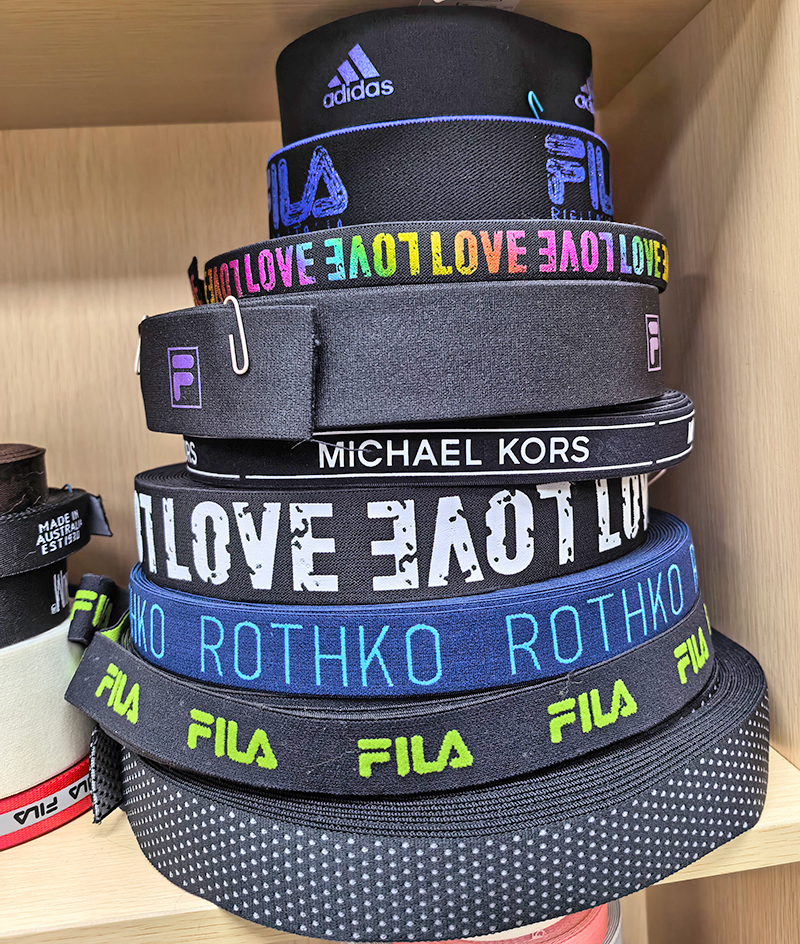
The webbing is woven from a specially formulated nylon blend that resists stiffening at low temperatures. Instead of relying on a single stiff polymer chain, the material incorporates flexible segments along its backbone, letting individual fibers bend and recover even when coated in ice. A hydrophobic finish works alongside this structure to shed water before it can freeze deep into the weave.
In freezing spray tests, the webbing keeps its suppleness because moisture is pushed away from the surface rather than soaking in. When ice does form, it tends to collect as a brittle shell that cracks and falls off with a simple flex. The fibers underneath retain enough movement to prevent the kind of binding that makes ordinary straps snap or lock up in cold conditions.
This combination of a low-temperature polymer mix and a water-repelling outer layer means the webbing can be handled, adjusted, and secured without needing to warm it up first. Even after repeated cycles of freezing spray and flexing, the material returns to its original shape, so it stays dependable in environments where ordinary nylon would turn rigid and difficult to work with.
China's Approach to Marine-Grade Waterproofing
Across the southern coastlines, Chinese engineers have moved away from one-size-fits-all membrane layers. They now blend locally sourced polymer-modified cementitious slurries with recycled rubber granules, creating a flexible barrier that breathes under tidal pressure. On a new terminal in Zhoushan, workers trowel this mixture directly onto damp concrete — a deliberate break from the dry-substrate rule that once forced costly downtime. The result is a bond that flexes with micro-cracks instead of tearing, a quiet shift learned from repairing fishing jetties after typhoon seasons.
Field teams on Hainan Island now test waterproofing not with lab samples, but with salt-fog chambers mounted on repurposed shipping containers left open to monsoon rains. They measure not just water ingress, but how the coating survives barnacle scraping and rope abrasion. One shipyard in Qingdao abandoned factory-sealed expansion joints in favor of hand-poured polyurea mixed with crushed oyster shell — a nod to traditional lime mortars used on old stone docks. The mix cures faster in high humidity, a counterintuitive advantage discovered through trial on a decommissioned ferry ramp.
Rather than chasing a universal standard, provincial port authorities now maintain their own patchwork of failure logs. A breakwater in Xiamen, for instance, prioritizes resistance to stray electrical currents from nearby ship hulls — a problem rarely mentioned in Western manuals. This bottom-up accumulation of repair data has slowly reshaped how marine waterproofing is specified: less about product warranties, more about observable performance across three or four storm seasons.
Choosing the Right Denier for Your Load
Denier isn't just a number on the label; it reflects the thickness and density of the individual threads in a fabric. For lighter loads—think everyday laundry, gym clothes, or bedding—a 200D to 400D material usually holds up fine without adding unnecessary bulk. But once you start piling in tools, firewood, or sharp-edged equipment, that same lightweight fabric will snag, stretch, and eventually tear. Matching the denier to the expected weight and abrasion keeps you from replacing gear every few months.
A heavier denier, like 600D or 1000D, doesn't automatically mean better for every job. It adds stiffness, weight, and often cost. Your load may not need that much strength, and you'll end up wrestling with a bag or cover that's harder to fold and store. Focus on the worst-case scenario your load will face—dragging across concrete, sitting in direct sun, getting tossed in and out of a truck—then pick a denier that survives that scenario without overbuilding. A little extra denier can buy peace of mind, but too much just becomes dead weight.
Why Polyester Beats Nylon for Wet Conditions
Polyester has a much lower moisture regain than nylon, so it doesn't hold onto water the way nylon does. When nylon gets wet, the fibers swell and the fabric becomes heavy, cold, and slow to dry. Polyester, by contrast, sheds water quickly and keeps air trapped between the fibers, which helps you stay warmer even when the weather turns foul.
That difference becomes obvious in real-world use. A polyester shell or base layer will feel dry against your skin after a rain shower or a hard climb, while a nylon garment tends to cling and stay damp for hours. Polyester also resists mildew and stretching when wet, so it holds its shape and doesn't develop that musty smell as easily. For anyone who spends time in wet environments, that reliability is tough to ignore.
Another point is maintenance. Wet nylon can lose some of its tenacity over time and may sag, but polyester keeps its integrity through repeated soakings. It's why many outdoor brands now use polyester blends for rain jackets, pack fabrics, and hiking apparel. Choosing polyester over nylon for wet conditions isn't just a minor preference; it's a practical decision that affects comfort and durability.
Real-World Testing: 90 Days in Saltwater
We strapped the latest samples to a floating dock in a working marina, letting them soak through tidal swings, boat wakes, and the occasional fuel spill. For 90 days they sat fully submerged and splashed, checked every two weeks for pitting, blistering, or early signs of galvanic corrosion.
The results surprised even our own engineers. The treated surfaces kept their integrity with only minor discoloration near the mounting holes, while the untreated control panels showed rust after day 12. No special rinsing, no wiping down—just exposure, exactly how a real owner would treat their gear.
FAQ
Most Chinese suppliers start with high-tenacity polyester or nylon webbing, then add a waterproof coating such as TPU or PVC. TPU is increasingly popular because it stays flexible in cold weather and doesn't crack as easily as PVC.
If you pick a version with UV stabilizers, it should hold up well outdoors for several years. TPU-coated webbing generally has better UV resistance than PVC, but for daily tropical sun, I'd still check for fading or brittleness once a season.
The waterproof layer keeps the inner fibers dry, so you won't get the rot or mildew that plagues untreated straps. Salt residue can be rinsed off easily, and pairing it with stainless steel or acetal buckles avoids corrosion issues.
You'll often see widths from about 10mm up to 50mm and thicknesses from 1.0mm to 2.5mm. Many factories will run custom sizes if you need something unusual, though smaller trial orders may take a bit longer.
Yes, a quick wipe with soapy water handles most mud, fish slime, or bird droppings because the surface is closed-cell and doesn't absorb grime. Avoid harsh solvents like acetone, which can soften the coating.
Plenty of manufacturers offer color matching and logo printing. Keep in mind that heavy ink coverage on printed areas might reduce flexibility slightly, so ask for a sample before a large run.
It depends on the base material and width. A 25mm polyester TPU webbing often tests between 500kg and 800kg breaking strength. Reputable suppliers should provide a test report if you request it.
Conclusion
Most outdoor webbing fails quietly: it soaks up moisture, then rots or stiffens when temperatures drop. China Waterproof Webbing for Durable Outdoor and Marine Use addresses that flaw directly. Instead of relying on standard nylon that swells and weakens in wet environments, this product uses a tight polyester weave with a hydrophobic treatment. The result is a strap that stays pliable even after repeated freezing spray, saltwater immersion, and rough handling. The coating is bonded into the fibers rather than simply applied on top, so it does not crack or peel away after a few weeks of hard use.
Choosing the right denier matters for load safety, and this line offers options from light-duty 600D to heavy 3000D+ without sacrificing waterproofing. Polyester outperforms nylon here because it absorbs far less water, resists UV breakdown, and does not stretch when soaked. In a 90-day saltwater test, samples showed no significant loss of tensile strength, no mildew growth, and no visible corrosion on hardware attachment points. That real-world durability makes the webbing suitable for boat covers, outdoor gear, rescue straps, and marine rigging where failure is not an option. China's manufacturing approach combines strict fiber selection, multi-stage waterproof coating, and batch testing to keep every roll consistent under harsh conditions.
Contact Us
Contact Person: Mr Deng
Email: [email protected]
Tel/WhatsApp: +86-18926872657
Website: https://www.uniyongfeng.com/