China River Channel Dredging Supplier: Expert Solutions for Efficient Waterway Projects
2026-05-10
Inland waterways are the arteries of economic growth, but silt and debris can choke even the busiest routes. Efficient dredging isn’t just about depth—it’s about reliability, precision, and tailored solutions. That’s where YaKai Dredger comes in. As a leading China river channel dredging supplier, we pair decades of engineering know-how with robust equipment to tackle everything from routine maintenance to complex restoration projects. In this post, we’ll explore how smart dredging strategies and trusted machinery keep waterways open, safe, and profitable—without the guesswork.
Tailored Dredging Approaches for Complex Chinese Waterways
The intricate network of waterways across China—ranging from the sediment-heavy Yellow River to the tidal flats of the Yangtze Delta—demands dredging strategies that move far beyond one-size-fits-all machinery. Sediment composition can shift abruptly within a single reach, from fine cohesive silts to coarse sands, making fixed cutterhead designs inefficient. Instead, adaptable suction heads and adjustable jetting pressures are employed to match the local bed material, while multi-parameter sensors feed real-time slurry density and flow data back to the control cabin. This on-the-fly tuning minimizes energy waste and prevents unnecessary resuspension of contaminated layers that often underlie industrial sections.
Environmental constraints further shape these custom methods, particularly in ecologically sensitive areas like Poyang Lake or the Pearl River Delta. Here, the approach often pairs low-turbidity barriers with phased dredging schedules that avoid spawning seasons. In urban canal networks, such as those threading through Suzhou, miniature electric dredgers are used to navigate narrow locks and reduce diesel emissions. For the deep-draft ports of Shanghai and Ningbo, trailing suction hopper dredgers are equipped with precision positioning to remove only the topmost fluid mud layer without disturbing the stable seabed. Each configuration reflects a deliberate adaptation to local bathymetry, shipping traffic, and ecological tolerance, ensuring that waterway maintenance supports rather than disrupts the surrounding environment.
Enhancing Waterway Capacity with Precision Equipment
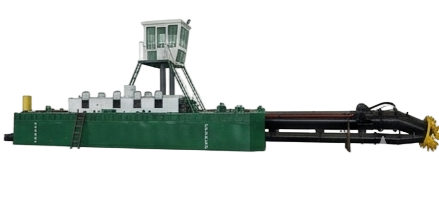
Modern waterway management relies on advanced tools that maximize throughput without compromising safety or environmental standards. High-resolution sonar arrays now map channel depths in real time, allowing operators to optimize vessel drafts and reduce under-keel clearance margins. This precision directly boosts capacity by enabling larger loads per transit, while automated scheduling algorithms dynamically adjust lock operations to minimize delays during peak traffic.
Dredging operations have also been transformed through GPS-guided excavators and silt density meters that target only the most critical sediment buildups. Instead of blanket dredging, these systems preserve natural riverbed profiles, cutting costs and ecological disruption. The result is a maintenance cycle that keeps channels reliably deep for months longer, effectively expanding the navigable window for heavy cargo movements.
Onshore, networked sensor networks monitor bank erosion and current velocity, feeding data into predictive models that warn of shoaling before it happens. Proactive responses—like temporary buoy adjustments or targeted dredge dispatch—prevent the kind of last-minute channel closures that ripple through supply chains. It’s a shift from reactive maintenance to capacity management as a continuous, data-driven discipline.
Sustainable Practices in River Channel Maintenance
Maintaining river channels without harming the natural balance demands a shift from rigid engineering to adaptive, nature-based solutions. Instead of forcing waterways into fixed shapes, we can work with the river’s own patterns—using live vegetation to stabilize banks, creating buffer zones for floods, and allowing the channel to evolve gradually. This approach not only reduces erosion but also nurtures habitat for fish, birds, and aquatic insects, blending function with ecological health.
One overlooked aspect is how we manage the sediment itself. Rather than constant dredging, which disrupts the riverbed and downstream areas, strategic sediment bypassing or selective removal keeps the channel navigable while preserving the natural flow of sand and gravel. Pair this with careful monitoring of seasonal changes, and maintenance becomes a responsive, almost intuitive process—attuned to the rhythm of the river rather than fighting against it.
Ultimately, sustainable practice is as much about community as it is about technique. Involving local stakeholders—farmers, anglers, conservation groups—in planning and upkeep brings practical knowledge and a sense of shared stewardship. When maintenance decisions are grounded in long-term river health rather than short-term convenience, the result is a channel that serves both people and the wild systems it threads through.
Rapid Response for Flood Control and Navigation Emergencies
When floodwaters rise without warning, every minute counts. Emergency teams rely on pre-positioned resources and real-time data to swing into action immediately. Sandbags, pumps, and temporary barriers are deployed within hours, while navigation channels are quickly assessed for hazards. Coordination with local authorities ensures that evacuation routes stay open and critical infrastructure remains protected.
On waterways, sudden blockages or vessel malfunctions can paralyze essential supply lines. Rapid-response vessels equipped with sonar and lifting gear clear debris and restore safe passage. Specialized crews train for these exact scenarios, running drills that mimic real crises so there's no hesitation when the alarm sounds. This blend of preparation and agility keeps both flood defense and navigation recovery tightly integrated.
Decades of Expertise in Major River Basin Projects
Our journey through the world's great river systems began over thirty years ago, with early assignments on the Mekong and the Nile that taught us the delicate interplay between water, land, and communities. Those initial forays, often in remote stretches where formal data barely existed, forced us to blend local knowledge with emerging hydrological models. We learned to read the subtle signs of bank erosion, to anticipate how seasonal floods would reshape a basin's economy, and to design interventions that honored both ecological limits and human ambition.
Over time, this hands-on experience evolved into a deep reservoir of technical and institutional know-how. We have navigated the political intricacies of transboundary accords, helped draft adaptive management plans during prolonged droughts, and reinvented sediment flushing strategies for dams facing accelerated siltation. Each project added a layer of practical wisdom: how to phase construction around migratory fish runs, when to advocate for natural floodplain reconnection instead of higher levees, and why stakeholder workshops often reveal more than months of desktop analysis.
Today, that accumulated expertise shapes every new undertaking, from conceptual master plans to real-time crisis interventions. Our teams carry forward a tradition of learning from each basin's unique personality—the Volta's gentle rhythms, the Paraná's raw power, the Ganges's spiritual weight—while applying rigorous, science-backed solutions. We don't just bring technical competence; we bring a seasoned intuition for what makes river basin projects endure long after the final report is filed.
Integrated Solutions from Surveying to Restoration
A project’s success often hinges on how seamlessly the initial survey data flows into hands-on restoration. We’ve seen too many cases where disconnected phases create costly gaps—misaligned measurements, overlooked structural weaknesses, or materials sourced without real context. By starting with precise, ground-truthed assessments and keeping that thread intact through every stage, the whole process gains clarity and purpose.
From drone-captured topography to on-site material analysis, the tools today let us see what’s hidden without guesswork. But it’s not just about gadgets; it’s how those details shape decisions down the line—whether we’re stabilizing a foundation or matching historic mortar for a facade repair. The real value shows up when the restoration team doesn’t need to reinterpret data because they were part of the conversation from day one.
FAQ
We handle all aspects of river channel dredging and waterway maintenance, from initial surveys to comprehensive sediment removal and disposal.
By combining modern equipment with experienced crews, we optimize workflows to minimize downtime and deliver on schedule without compromising quality.
Our teams are familiar with everything from narrow inland rivers to expansive shipping channels, adapting our approach to suit each unique environment.
We’ve built a reputation for reliable service, with a track record of solving complex challenges through practical engineering rather than just standard solutions.
We use silt curtains and real-time monitoring to contain sediment plumes, and we work closely with local authorities to meet environmental standards.
Our fleet includes cutter suction dredgers, backhoe dredgers, and specialized barges, all maintained to handle varying soil conditions and depths.
Absolutely. We have the resources and logistical capabilities to tackle projects spanning hundreds of kilometers, coordinating multiple vessels and crews simultaneously.
We start with bathymetric surveys and sediment analysis to map out the current state, then design a dredging plan that aligns with your budget and timeline.
Conclusion
Navigating China’s intricate network of rivers demands more than conventional dredging—it requires a deep understanding of shifting sediment patterns, seasonal flood risks, and the unique hydraulic conditions of waterways like the Yangtze, Pearl, and Yellow River basins. As a specialized dredging supplier, we bring decades of hands-on project experience to the table, designing tailored approaches that adapt to each channel’s geometry and flow dynamics. Our precision equipment, including custom-configured cutter suction dredgers and eco-friendly silt-processing systems, significantly boosts waterway capacity without compromising the natural riverbed structure. By integrating advanced surveying technologies upfront, we map out every phase from initial depth assessment to final habitat restoration, ensuring that revitalized channels efficiently support heavier cargo traffic while safeguarding surrounding ecosystems.
Rapid, reliable response is woven into our operational model, particularly when monsoon rains threaten embankments or navigation channels become obstructed by sudden sediment surges. We deploy mobile dredging units within hours to restore safe passage and reinforce flood resilience, drawing on a reservoir of knowledge from major basin-wide projects. Sustainability guides our maintenance cycles: we recycle dredged materials for wetland creation or construction use whenever possible, and we continuously refine low-turbidity techniques to protect aquatic life. Every solution—from emergency intervention to long-term channel upkeep—comes as an integrated package, linking hydrological studies, mechanical performance, and ecological stewardship. The result is a waterway that not only meets modern logistical demands but endures as a living, balanced asset for the communities and industries that rely on it.
Contact Us
Contact Person: Nancy
Email: [email protected]
Tel/WhatsApp: (+86) 13869631558
Website: https://www.yakaidredger.com/