
Buying China Second Hand Excavators: A Smart Guide for Global Buyers
2026-06-02
The global market for used excavators is booming, and China leads the pack with unbeatable value and variety. But navigating overseas purchases can be a minefield of hidden costs and quality risks. That’s where a trusted partner makes all the difference—JILIANG CHI takes the guesswork out of buying second-hand excavators, delivering inspected, reliable machines straight to your jobsite. Ready to dig into smart strategies that save you money and headaches? Let’s get started.
Why China’s Pre-Owned Excavators Offer Unmatched Value
The appeal of China’s pre-owned excavators isn’t just about a lower sticker price. The massive scale of domestic infrastructure projects over the past two decades has created a constant cycle of fleet turnover, flooding the secondary market with machines that often have relatively few hours on them. This availability drives prices down globally while still maintaining a baseline of quality. Many of these units come from well-known, state-backed manufacturers that have aggressively refined their production processes, meaning even older models benefit from improved metallurgy and tighter assembly tolerances compared to equipment from the same era in other regions.
Parts availability is another quiet advantage. With so many units operating worldwide and a densely interconnected supply chain across Asia, replacement components for popular Chinese brands are remarkably easy to source and affordable—something that can’t always be said for aging European or North American machinery. Dealers and exporters have also recognized the opportunity and developed robust refurbishment systems. It’s common now to see pre-owned machines that undergo thorough inspections, hydraulic system overhauls, and fresh paint before shipping, effectively resetting a good chunk of their service life at a fraction of the cost of buying new.
Perhaps most compelling for budget-conscious buyers is the performance parity that has quietly emerged. While once considered a step behind, Chinese excavators now routinely match or exceed the capabilities of global competitors in real-world applications. The used market allows you to tap into that engineering progress without paying the early-adopter premium. Combined with the sheer volume of trade, this creates a buyer’s landscape where value isn’t about sacrificing quality—it’s about capitalizing on a mature, fiercely competitive industry that keeps pushing standards higher.
Decoding the Maze: How to Spot a Trustworthy Seller
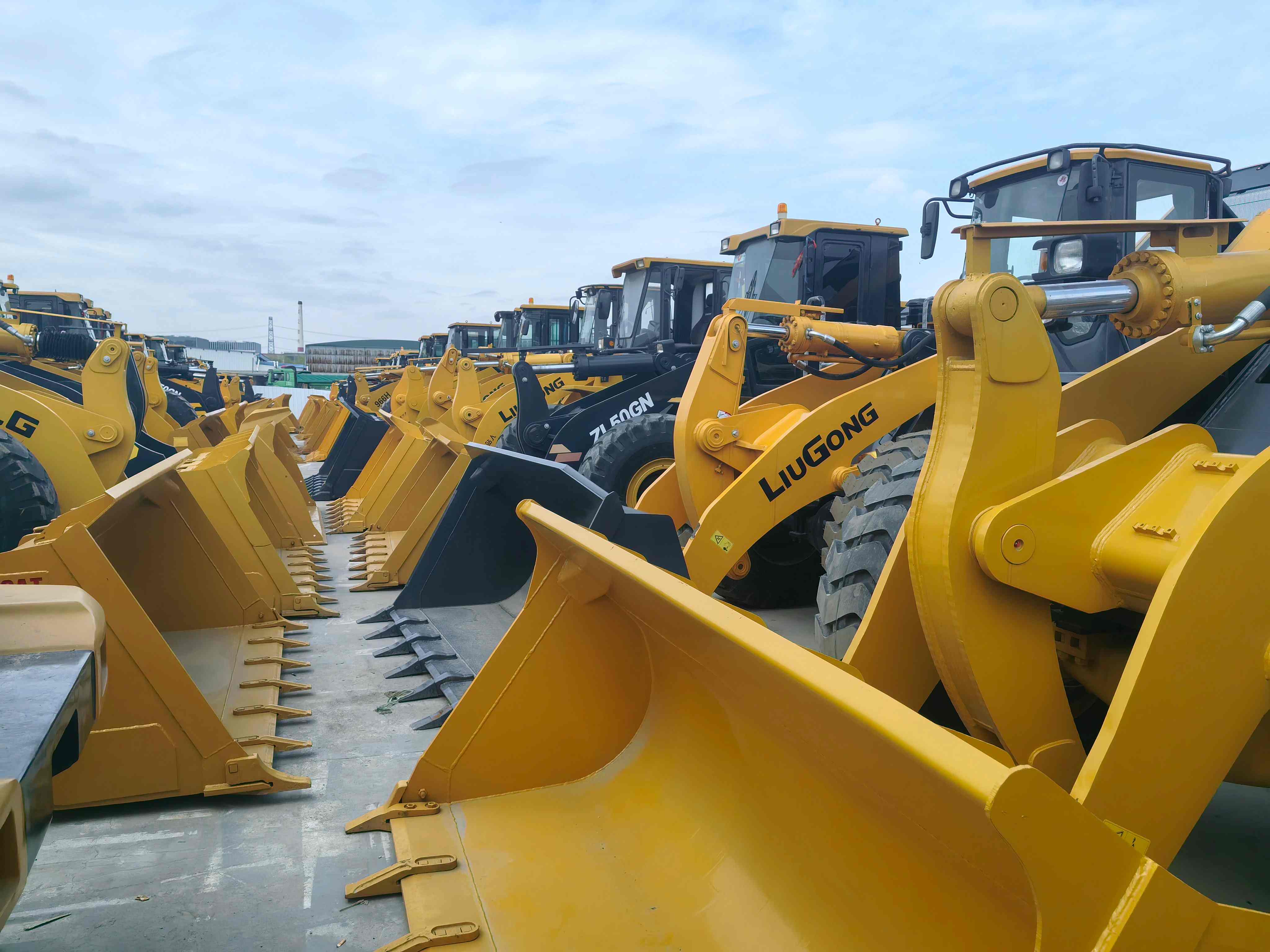
When you start browsing through endless listings, it’s easy to get swept up by flashy photos and persuasive descriptions. But the real test of a seller’s reliability often hides in the details they don’t advertise. Scrutinize how they communicate: a genuine seller will answer questions patiently, offer additional photos or details without hesitation, and never pressure you into an impulsive decision. Their responsiveness and transparency, especially about flaws or limitations, separates them from those who just want a quick sale.
Beyond the conversation, look for consistent evidence of a track record. No one expects a flawless history, but patterns speak volumes. Check if past buyers describe shipping times, packing care, and item authenticity in their feedback. A cluster of similar complaints—like “not as pictured” or “unresponsive after payment”—is a red flag no star rating can mask. Also notice how the seller handles negative reviews: do they calmly address issues or deflect blame? A trustworthy seller owns their mistakes.
Finally, trust your instincts when a deal seems too good to be true. Compare prices across platforms, question improbable claims about product origins, and verify that business details feel solid—not like a fleeting alias. Many scammers rely on your excitement to overwrite doubt. Slow down, ask the unsexy questions, and remember that a respectful seller will never begrudge your thoroughness. In a maze of noise, your diligence is the best guide.
The Under-the-Hood Checklist Every Buyer Needs
Peek beneath the surface, and a car’s engine bay can tell you more than any sales pitch. Look for fluid leaks, cracked hoses, or corroded battery terminals—these are often signs of neglect that shine through only when you lift the hood. A quick sniff for burnt smells or a glance at the serpentine belt for fraying can save you from inheriting someone else’s deferred maintenance.
Pay attention to the oil cap and dipstick. Milky residue under the cap often points to coolant mixing with oil—a potential head gasket nightmare. The transmission fluid should appear clean and reddish, not dark or gritty. These small checks take minutes but reveal the engine's health in ways a test drive never will.
Don’t overlook the less obvious: inspect wiring harnesses for rodent damage, check the condition of engine mounts by noting excess vibration, and verify that all fluid reservoirs are filled to the correct level. A well-maintained engine bay often mirrors an owner’s overall care for the vehicle—look for clean, orderly components rather than a hastily detailed cover-up.
Navigating Customs and Shipping Without the Headache
International shipping often feels like a maze of regulations and paperwork, but it doesn’t have to be a source of stress. The key is to start with a clear understanding of your destination country’s customs requirements—tariff codes, restricted items, and necessary documentation. Gathering this information upfront prevents delays and unexpected fees, allowing your package to move smoothly through the system.
Choosing the right shipping partner can also transform the experience. Look for carriers that offer end-to-end tracking and have dedicated customs experts on hand. They can handle the intricate declarations and communicate with border agencies on your behalf, turning a typically daunting process into a simple, guided journey.
Finally, pack your shipment with care and foresight. Label everything clearly, include an itemized packing list inside, and double-check that your goods comply with both origin and destination laws. A little extra attention here reduces the likelihood of inspections and returns, making cross-border commerce feel as effortless as sending a package next door.
Crunching Numbers: The True Cost of Ownership
The sticker price is just the opening act. Ownership slaps you with a stream of less visible expenses that only reveal themselves over time—insurance premiums that creep up with inflation, maintenance that shifts from predictable oil changes to surprise transmission overhauls, and fuel or electricity costs that dance to the tune of global markets. Many buyers fixate on monthly payments, but the real budget destroyers are the cumulative operating costs that quietly compound, making that “affordable” vehicle a financial drain by year three.
Depreciation is the silent thief most overlook. The moment you drive off the lot, a chunk of value evaporates, but the bleeding doesn’t stop there. Resale values hinge on brand perception, reliability records, and even the color you choose. A model known for shoddy electrics or premature rust can lose value at double the rate of a boring but bulletproof rival. Factor in finance charges if you’re borrowing, and the total sum you pour into the vehicle over five years can be shocking enough to rethink the whole purchase.
Then there’s the wildcard: repairs and unexpected failures. A water pump failure at 60,000 miles, a cracked infotainment screen just past warranty, or a suspension rebuild thanks to potholed roads—these aren’t anomalies, they’re statistical certainties for long-term owners. Tally up the extended warranty cost (if you’re smart) or the out-of-pocket repairs (if you’re not), and the true cost of ownership transforms from a neat spreadsheet into a messy reality. The only defense is cold, hard math before you sign, comparing total five-year costs across models, not just monthly payments.
Lessons from the Field: Success Stories and Costly Mistakes
In the trenches of real-world execution, theory often collides with reality. One team I worked with learned this the hard way when they rolled out a new inventory system without testing edge cases. The result wasn’t just a weekend of debugging—it was a six-figure write-off. On the flip side, a small change in how they handled customer feedback loops transformed a struggling product into their top performer in under a quarter. These aren’t textbook examples; they’re scars and trophies earned through grit.
The contrast between victories and failures often hinges on a handful of moments—like the decision to delay a launch by two weeks to fix a seemingly minor data inconsistency. That delay felt agonizing at the time, but it prevented a regulatory nightmare that would have dwarfed the cost. Meanwhile, another group ignored similar warnings and paid the price in lost trust and legal fees. The field doesn’t care about your intentions; it rewards attention to detail and punishes hubris.
If there’s one thread that runs through both the wins and the losses, it’s the importance of listening—to users, to frontline staff, to the quiet signals that something isn’t right. A costly mistake often begins with someone saying, “We don’t have time to worry about that now.” A success story, by contrast, usually starts with someone asking, “What are we missing?” and actually waiting for an answer.
FAQ
It’s mainly about value for money. Chinese used excavators often come at a fraction of the cost of new ones or even used machines from other markets, but still deliver reliable performance. Plus, the sheer volume of construction projects in China means there’s a massive supply of well-maintained equipment hitting the second-hand market regularly.
Start with the engine hours and match them against the machine’s overall condition. Then focus on the hydraulic system—look for leaks, sluggish movements, and unusual noises. Don’t skip the undercarriage; excessive wear there can lead to expensive repairs. Always ask for maintenance logs and, if possible, have a third-party inspection done.
Work only with reputable dealers who have verifiable track records. Never transfer money without clear documentation—things like serial numbers, export paperwork, and detailed photos of the actual machine. If a deal seems too good to be true, it probably is. Using an agent or inspector on the ground can save you from misrepresented hours or hidden damage.
Yes, and that’s an important factor to consider before buying. Stick to well-known Chinese brands like SANY or XCMG that have global dealer networks, or choose machines using common components from tier-one suppliers. Many international equipment dealers also offer parts support, and there’s a growing online marketplace for aftermarket spares.
Lower import duties in some countries, competitive shipping rates due to established trade routes, and the ability to find late-model machines at nearly half the price of new. Also, depreciation is much slower, so if you maintain it well, resale value holds up decently.
It typically involves choosing a reliable freight forwarder who handles port logistics, customs clearance, and documentation. You’ll need the original invoice, bill of lading, and often a certificate of origin. Some countries require emissions compliance or a pre-shipment inspection, so check with your local authorities first.
Mid-sized excavators from brands like SANY, XCMG, and Liugong often hit the sweet spot—good build quality, widely available parts, and strong second-hand markets globally. Komatsu and Hitachi models manufactured in China are also worth considering because they combine Japanese engineering with lower Chinese pricing.
Hiring a bilingual agent or translator familiar with construction equipment is smart. Many large dealers have English-speaking staff, but for smaller sellers, having someone on your side who understands technical terms ensures nothing gets lost in translation. Video calls with screen sharing can also help you walk through the machine remotely.
Conclusion
Shopping for a used excavator from China isn’t just about grabbing a low sticker price—it’s about recognizing genuine value that stretches your budget without cutting corners on reliability. The Chinese market overflows with machines that have logged far fewer hours than their Western counterparts, often maintained meticulously for short-term infrastructure projects. But the real trick lies in separating the gems from the lemons. You learn quickly that a seller’s polished website means nothing next to a video call where they walk you around the machine, pointing out every scratch and demonstrating hydraulics under load. The smart buyers dig into engine hours, check for consistent service records, and never skip a cold-start test. They also know that the best deal often comes from a seller who acts less like a salesperson and more like a partner, willing to share the machine’s full story—both the good and the ugly.
Once you’ve found the right excavator, the adventure shifts to logistics and hidden costs that can blindside the unprepared. Customs paperwork isn’t a bogeyman if you partner with a freight forwarder who eats and breathes heavy machinery exports. You’ll want to budget not just for the machine and shipping, but also for import duties, port fees, and a thorough post-arrival inspection by a local mechanic. The real eye-opener comes from talking to buyers who’ve done it before: one guy saved $12,000 by having his Chinese contact add corrosion-proofing wax before ocean freight; another lost twice that by cheaping out on insurance. These stories hammer home that success in this game comes from sweating the details—building relationships, double-checking everything, and never forgetting that a machine purchased sight-unseen demands a healthy dose of skepticism balanced with due diligence.
Contact Us
Contact Person: Sally Xiao
Email: [email protected]
Tel/WhatsApp: 086-18221477398
Website: http://www.shjiliangchi.com/