
Best Forged Steel Globe Valve Features That Ensure Reliable Flow Control
2026-11-16
Valves rarely become the focus of a system upgrade until they start causing trouble. But in high-pressure steam, gas, and process lines, a poorly chosen globe valve can make reliable flow control nearly impossible. Forged steel construction alone is not enough; throttling capability, seating design, stem sealing, and material quality all determine how the valve behaves after years of cycling. This post examines the forged steel globe valve features that actually influence long-term performance, including insights from CRXV.
Forged Bodies Take the Pressure Without Flinching
A forged body does not rely on extra thickness to survive high pressure. Its grain structure is worked into the shape itself, flowing around corners and through the neck so the metal meets stress head-on instead of waiting for a weak seam to open up.
What that means in service is straightforward: no flinching when the gauge climbs past the design limit, no slow deformation after thousands of cycles, and no brittle surprises when the temperature drops. The part holds its line because the material was never given a chance to settle into a weaker arrangement.
You notice it most in the places where failures usually begin—thread roots, seat pockets, the transition from flange to bore. In a well-forged body those areas feel dense and solid under a wrench, and they stay that way long after softer alternatives have started to weep.
Seat Geometry That Turns Small Leaks Into a Non-Issue
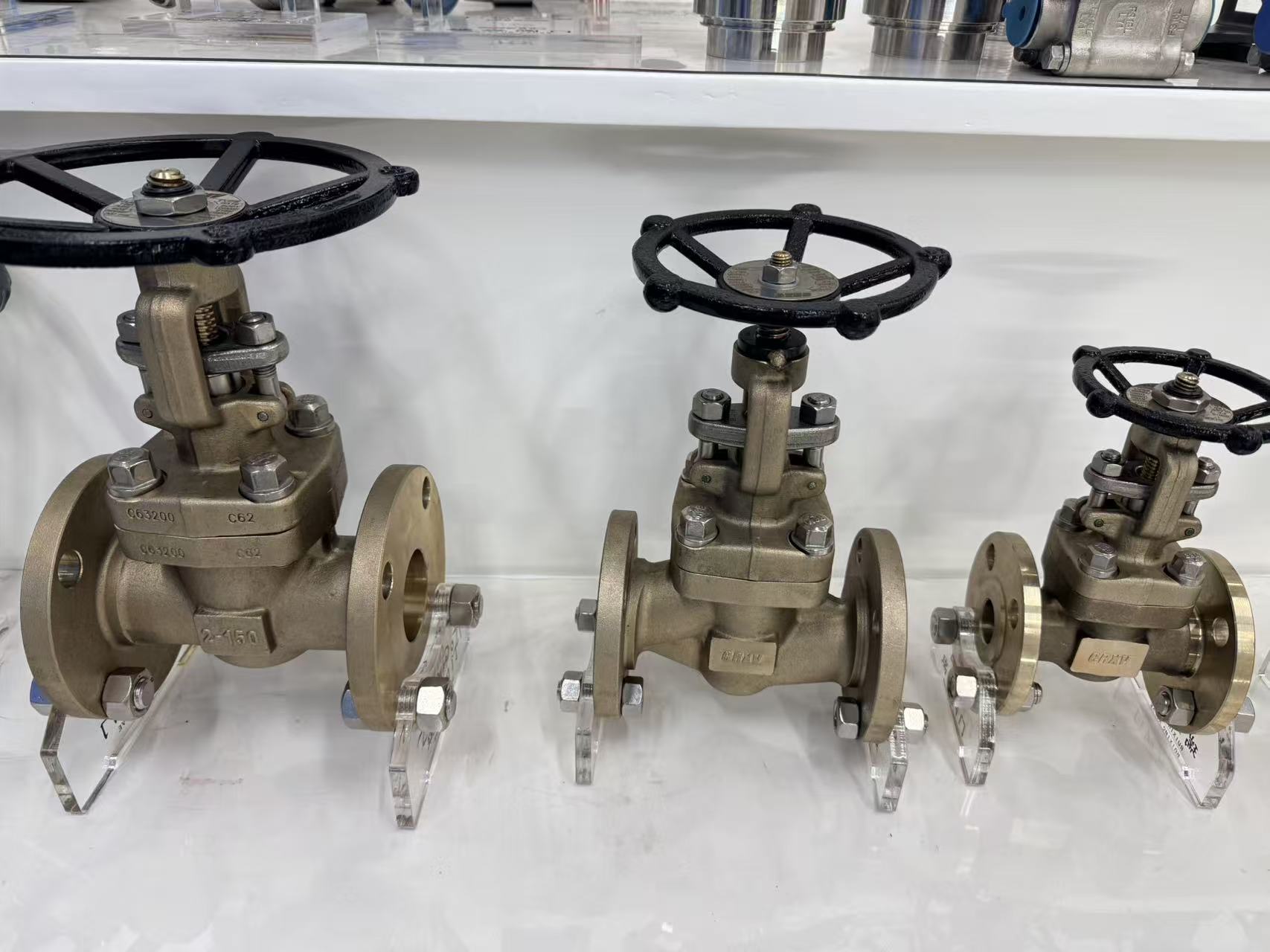
Most seat designs treat seepage as a battle of brute force—thicker gaskets, higher bolt torque, more aggressive sealants. The result is usually the same: a stubborn drip that returns once thermal cycling or vibration works its way through the stack. This geometry takes a quieter path. Instead of fighting the fluid, it redirects the available pressure into the sealing face itself, so a small irregularity in the mating surface becomes irrelevant rather than catastrophic.
The trick lies in the contact angle and the way the seat flexes under load. A shallow taper near the inner lip allows the sealing line to migrate inward as pressure builds, which means the actual contact point constantly shifts away from any micro-channel that might form. That movement is subtle—fractions of a millimeter—but it is enough to interrupt the slow capillary path that turns a weeping joint into a visible leak. Because the seat never depends on a single static bite line, minor scoring or pitting from debris no longer dictates the failure mode.
What makes this approach feel different in the field is that it does not ask the installer to be perfect. A slight misalignment, a marginally uneven flange, or a speck of scale that would normally lead to a callback simply has less room to matter. The geometry tolerates those imperfections by spreading the risk across a moving seal, not by demanding more clamping force. For maintenance crews, that translates into fewer torque wrenches, fewer re-tightening rounds after startup, and a quiet confidence that a small leak will stay small.
A Backseat That Protects the Stem When the Valve Is Wide Open
With the valve fully open, the backseat creates a firm metal-to-metal contact between the stem shoulder and the bonnet, cutting off pressure from the packing area. This keeps the stem seal isolated from line media and allows packing maintenance to be planned with far less risk of a sudden release.
The seating angle and surface finish are cut to match, so repeated full-open cycles do not gall or score the contact faces. A small backseat leak will often show up first as weeping around the gland, giving operators an early sign before the stem itself is damaged.
On high-cycle or high-temperature lines, the packing is usually the first part to degrade. The backseat limits that exposure exactly when flow is highest and the stem is stationary, which stretches the interval between repacking jobs and keeps the upper stem in better condition.
Bolted Bonnets That Make Field Repairs Feel Routine
A bonnet that unbolts cleanly changes the mood of a repair call. Instead of cutting the valve out or wrestling with alignment after teardown, a tech can leave the body in line, pull the top works, and go straight after the worn seat or stem packing. The piping stays put, which is usually more than half the battle on older systems.
The studs do more than hold pressure. They give the reassembly a repeatable sequence, so a newer crew member can follow the same cross-torque pattern as someone with fifteen years on site. Gasket faces land where they should, and the valve comes back into service without the subtle leaks that come from an almost-square fit.
After a few of those jobs, the work starts to feel less like a shutdown event and more like routine maintenance. You check the flange, clean the faces, drop in fresh soft goods, and torque it down. The rest of the plant barely notices the valve was ever open.
Flow Passages Shaped to Keep Control Predictable
Flow passages that are shaped with intention do more than reduce pressure loss. They fix the relationship between actuator movement and the resulting flow, so a given signal change produces a repeatable response across the normal operating range. This is largely a matter of guiding the fluid rather than letting it slam into flat faces or tumble through sudden expansions, which can turn small position changes into unpredictable jumps in delivery.
A contoured plug, a carefully radiused seat, and an outlet path that lets velocity relax without separation all keep the flow attached and orderly. That stability shows up in the control room as a valve that opens and closes with the same authority at 20% travel as it does at 70%. Tuning loops become less of a chase when the final control element isn't changing its own gain from week to week.
There is also a maintenance angle. Passages that shed vortices or concentrate erosion on one side tend to wear unevenly, and that wear feeds back into shifted flow characteristics. A more predictable internal shape delays that feedback loop, so changes in performance are more likely tied to process conditions than to the valve gradually rewriting its own response curve.
Matching Trim and Packing to What's Actually in the Line
It's easy to let trim and packing run on autopilot, but that's where mismatches creep in. A line scheduled for a standard run can suddenly switch to a limited batch, a different film gauge, or a revised carton count, and the trimming station never gets the change. When the packing specs don't track the actual units moving past the sensor, operators end up hand-correcting seals, repacking cartons, or holding orders for rework. Matching trim and packing starts with reading the line as it is, not as the work order assumed it would be.
The most useful adjustments are often the least visible: width tolerances, tab placement, and case pack patterns need to follow the real dimensions and stack height coming through, not the nominal values from master data. If a run carries a different material thickness or a slightly taller container, the trim blades and case erectors should receive that shift before the first pallet is wrapped. A quick changeover check comparing actual product samples against packing station settings prevents the usual drift that turns a small variation into a full-line stoppage.
FAQ
Forging compresses the grain structure of the metal, which reduces internal voids and gives the valve body greater strength and fatigue resistance under high pressure and temperature swings.
The disc moves perpendicular to the seat, allowing fine adjustments of the opening. This linear travel gives predictable flow characteristics and less chatter when the valve is partially open.
When the valve is fully open, the stem seals against the backseat, allowing packing replacement while the system is still pressurized and reducing the chance of stem leakage.
A bolted bonnet keeps the body-to-bonnet seal uniform and lets maintenance crews access internal parts without cutting the valve out of the line, which helps preserve sealing integrity over time.
Yes, they are commonly used in high-temperature steam service. Material grades such as A105 and F22 hold up well when the pressure-temperature rating matches the system conditions.
The trim choice depends on the fluid, temperature, and pressure drop. Stainless steel works for general corrosion resistance, while hardfacing like Stellite extends life in erosive or high-cycle service.
Check the gland follower for proper compression, lubricate stem threads, inspect seating surfaces during shutdowns, and replace packing before it hardens or leaks.
They are primarily designed for throttling and frequent operation. They can provide acceptable shutoff, but repeated use in a partially open position is where the globe valve design really holds up.
Conclusion
Forged bodies earn their keep in lines where pressure swings and thermal cycles punish weaker castings. The grain structure stays tight, so the valve holds shape instead of flexing under load. That stability carries into the seat, where a carefully cut geometry lets the disc settle cleanly and shuts off small leaks before they turn into maintenance calls. Wide-open operation gets overlooked until a stem starts weeping, which is why the backseat detail matters. It takes the sealing duty off the packing and keeps the stem from seeing full line pressure. Bolted bonnets make the rest easier to live with. Instead of wrestling a seized assembly, the crew can open the top, inspect the internals, and get back online without turning a minor trim issue into a shutdown.
Control stays predictable when the flow path is not fighting itself. Shaped passages reduce abrupt velocity changes and keep the disc position meaningful across a range of openings, so throttling feels repeatable rather than guesswork. Pair that with trim and packing chosen for what actually moves through the line and the valve stops being a generic component. Abrasive fines, sour gas, steam, or clean water each impose different demands on seats, stems, and seals. Matching those materials keeps torque reasonable, extends packing life, and avoids the kind of corrosion that quietly eats away at control reliability. In practice, these features do not just hold pressure. They keep flow behavior consistent enough that operators trust the valve after it has been installed and forgotten for months.
Contact Us
Contact Person: TIM
Email: [email protected]
Tel/WhatsApp: 8615857807381
Website: https://www.crxv.com/en/