
Batch Off Cooling Line Solutions for Streamlined Rubber Processing
2026-11-02
Every rubber processor knows the bottleneck: after mixing, the batch sits hot and unstable, waiting to be cooled, stacked, and moved. The difference between a smooth downstream flow and a chaotic floor often comes down to one overlooked system—the batch off cooling line. Done right, it doesn’t just lower temperature; it reclaims floor space, cuts labor, and keeps every compound consistent. That’s where AUGU AUTOMATION enters. Their batch off cooling line solutions are engineered to turn a necessary post-mixing step into a streamlined, repeatable process—without the usual trial and error. In this post, we’ll unpack what makes these lines different and why they’re becoming the quiet workhorse behind faster, cleaner rubber processing.
Faster Batch Cooling Without the Risk of Sticking or Tearing
Batch cooling often forces a choice between speed and product integrity. But the latest contact-surface treatments and controlled airflow patterns let you drop core temperatures significantly faster without the usual trade-offs. By using micro-textured belts or trays that reduce surface contact area, products release cleanly even at lower temperatures, while directed air jets break up the boundary layer that normally slows heat transfer. The result is a more uniform chill across the entire batch, with no torn skins, stuck residues, or wasted scrap.
Operators can further tune the process by matching belt speed to product thickness and adjusting humidity in the cooling zone. A slightly drier environment near the discharge end helps set the surface just enough to prevent tearing, while the main cooling chamber stays moist for faster heat removal. This approach cuts typical batch cooling times by 20 to 30 percent and keeps cleanup minimal, since nothing bakes onto the conveyor. It is a straightforward upgrade that pays off in higher throughput and fewer rejects.
A Modular Line That Adapts to Your Current Rubber Process
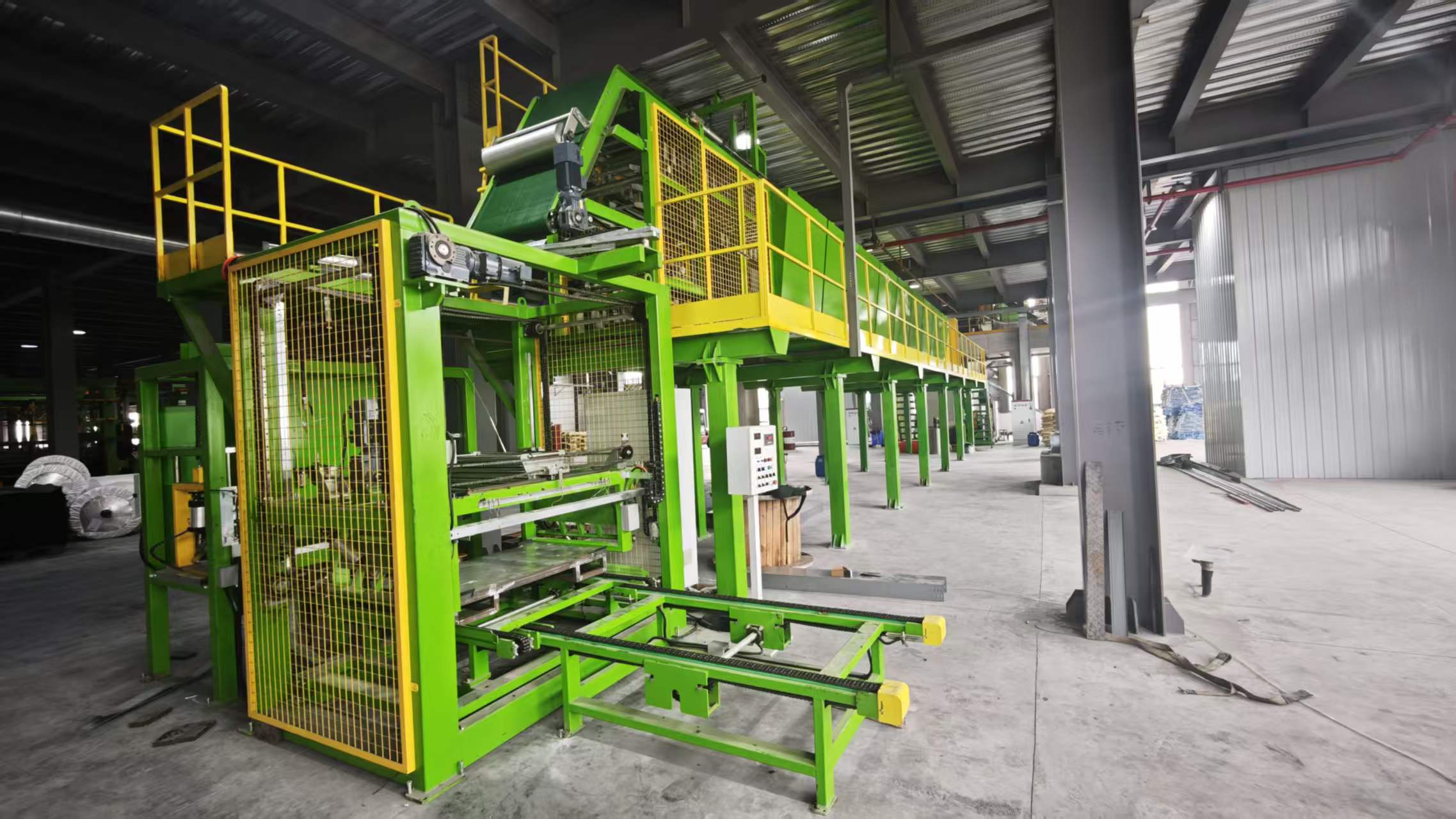
The real draw here is that you're not forced into a full factory overhaul. Each module—whether it's for mixing, extrusion, curing, or cooling—drops into the sequence you already run, connecting with standard flanges and control signals your operators recognize. You keep the equipment that still works and only replace or add the stages that are holding you back.
Because rubber behaves differently from batch to batch, the configuration can shift with it. Swap in a longer cooling trough for high-viscosity compounds, or add a precision temperature zone before curing without touching the rest of the line. That means less downtime for re-qualification and fewer rejected starts when a new formulation comes through.
And when production volume picks up or you decide to run a new compound family, the same approach applies. Add a second extrusion module in parallel, or slide an extra curing module into the existing footprint. You're not rebuilding—you're extending, which keeps capital costs tied to actual need rather than a one-size-fits-all project.
Cut Manual Handling With Automated Batch Transfer and Stacking
Repetitive lifting and repositioning of heavy totes doesn't just slow production—it quietly drains your team. Automated batch transfer removes that pinch point by moving containers between stations on a controlled conveyor, so operators stop walking loads across the floor and start overseeing flow. One beverage plant cut per-shift lifting by over 70% after installing a small transfer loop that feeds the labeler directly.
Stacking is where injuries usually hide. Pallets built by hand invite bad angles, uneven layers, and fatigue. An automatic stacker places each batch with consistent pressure and alignment, reducing the need for workers to lean, twist, or brace falling loads. The result isn't just safer—it's also tighter, more stable pallets that survive transport without rework.
The real gain comes when both functions work together. Batch transfer hands off to stacking without a pause, and the line keeps moving while employees shift to tasks that need judgment—like quality checks or changeover prep. That shift in manual effort often shows up within weeks: fewer strain complaints, less product damage, and a steadier end-of-shift pace.
Built From Materials That Resist Wear, Moisture, and Chemical Attack
Everyday environments can be surprisingly tough on equipment, but the right substrate makes a visible difference. Materials that resist wear, moisture, and chemical attack don't just maintain their appearance—they continue to perform reliably under conditions that would quickly degrade ordinary surfaces.
From sealed enclosures to coated metals and high-density polymers, these material choices are selected for long-term exposure. The payoff is less maintenance, fewer replacements, and a finish that refuses to swell, corrode, or break down when it matters most.
Lower Energy Draw While Maintaining Consistent Rubber Quality
Cutting energy consumption in rubber mixing usually forces a trade-off with batch consistency, but the right rotor geometry changes that equation. By using intermeshing rotors with a shallower flight depth, the mixer spreads shear forces more evenly across the chamber. This keeps peak temperatures lower while still dispersing fillers and curatives uniformly, so you can pull back on motor load without seeing more scrap or rework.
Variable-frequency drives help here too. Instead of running the mixer at a fixed speed and relying on ram pressure to hit the target viscosity, the drive adjusts rotor RPM in real time based on torque feedback. Shorter mixing cycles at lower average power not only cut kWh per batch but also protect heat-sensitive polymers from thermal degradation, which is often the hidden cause of inconsistent compound quality.
There is also a practical side that gets overlooked: maintaining the cooling system. A well-maintained temperature control unit removes heat more efficiently, so the mixer does not have to work as hard to stay within the safe processing window. This prevents the stop-start behavior that wastes energy and produces uneven dispersion. The result is a steadier power draw and a rubber compound that passes rheometer tests batch after batch.
Track Every Batch From Start to Finish With Simple In-Line Controls
Most batch tracking still depends on clipboards, spreadsheets, and someone remembering to log a changeover. That falls apart the moment a line speeds up or a shift changes. Placing simple in-line controls at key handoff points removes that guesswork; each batch gets scanned, weighed, or checked as it moves, and the record updates on its own.
These controls do not need a control room or a dedicated operator. A small scanner by the conveyor, a sensor at the filler, or a checkweigher before packing captures the lot number, line, and timestamp in the background. The result is a live thread from raw material intake to finished carton, without adding extra steps for the crew.
When a deviation shows up, you can pull the exact window of affected batches instead of shutting down to sift through paper. Audits become less of a scramble because the history is already tied to the batch, not stored in someone's notebook. And because the hardware is compact, it slips into existing lines without major retrofits.
FAQ
It takes freshly mixed rubber slabs or strips straight from the mill and cools them under controlled conditions while applying an anti-tack coating, then stacks them for downstream handling. This prevents scorching and keeps sheets from sticking together.
Automated transfer, dip coating, and stacking remove most manual lifting and arranging. Operators only need to monitor the line and occasionally correct a batch, which cuts per-shift staffing and repetitive strain injuries.
For thicker gauge stock, forced air with multiple fans and adjustable dwell time beats water cooling alone. Air avoids moisture pickup and gives more even temperature drop without surface cracking.
Without a uniform anti-tack film, hot rubber sheets fuse into a solid block after stacking. The coating system should let you adjust concentration and coverage to match tackiness of the compound.
Yes, but the line speed and dip tank chemistry usually need adjustment. Synthetic rubbers like EPDM or NBR can be tackier at the same temperature, so you may need longer cooling zones or a different release agent.
Most common problems are belt tracking drift, buildup of anti-tack residue on rollers, and worn dip tank brushes. A monthly cleaning and realignment schedule keeps downtime low and prevents sheet tears.
If you run short, frequent compound changes, an integrated line with quick cleanout makes more sense. For high volume single recipes, a standalone unit gives flexibility to add more cooling fans or stackers later.
Conclusion
Batch off cooling lines often become the bottleneck in rubber mixing rooms, but a well-designed solution changes that dynamic quickly. Instead of waiting for slabs to cool slowly on crowded racks, these systems use controlled air and water sprays to bring rubber down to safe handling temperatures without surface tack or tearing. The modular frame means you don't have to rearrange your entire mixing line—sections can be added or repositioned to match existing take-off conveyors and downstream equipment. That flexibility matters when floor space is tight or when you're expanding output in stages.
The real payoff comes from reducing manual labour and keeping quality consistent. Automatic batch transfer and stacking remove workers from repetitive lifting and exposure to hot material, which also lowers the chance of damage from dropped or folded slabs. Construction materials are chosen to stand up to constant moisture, abrasive fillers, and chemical residues that would quickly degrade standard steel. Energy use stays low because fans and drives are sized for the actual load, not oversized for rare peak conditions. Finally, simple in-line controls log each batch from discharge to stacker, so you can trace cooling time, temperature, and line speed for every production run without extra paperwork.
Contact Us
Contact Person: Lareina
Email: [email protected]
Tel/WhatsApp: +86 17561696737
Website: https://www.auguauto.com/